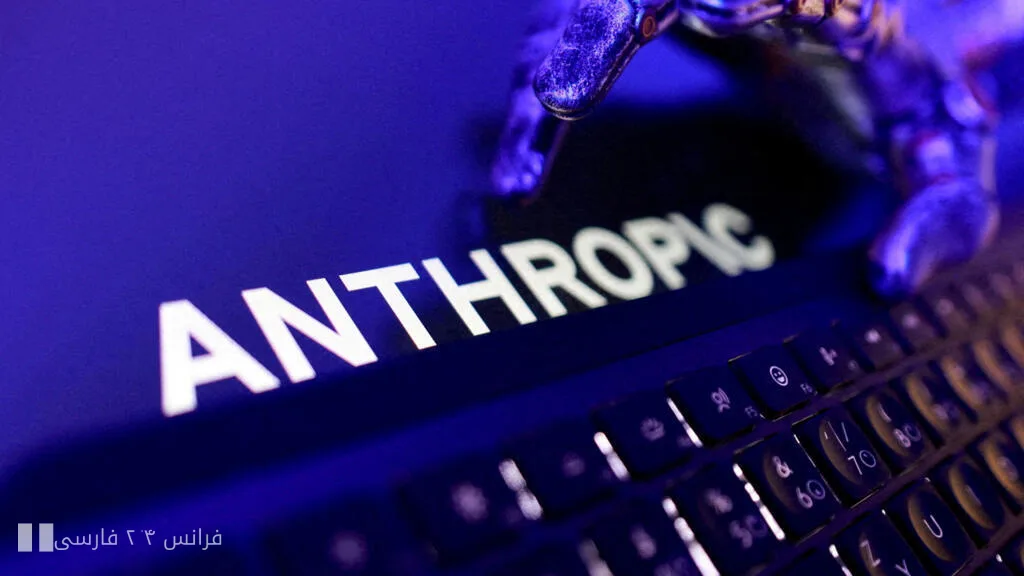
In today's world, artificial intelligence has become one of the key tools in technological advancements. But can these advancements come at the cost of security and human freedoms? Volker Turk, the UN Human Rights Chief, clearly spoke about the potential dangers that this emerging technology brings during a press conference on Monday.
Warning from the Heart of Threats
Turk emphasized that artificial intelligence could be an 'existential' threat to humanity, stating: 'We must seriously consider the risks of this technology. AI may not only disrupt vital services and infrastructure, but it could also undermine human communications and even democratic systems.' He further added that these threats become more serious especially as this technology rapidly expands and evolves.
Pressure on Tech Companies
The UN Human Rights Chief also stated that the UN is committed to pressuring companies active in the field of artificial intelligence to mitigate the risks of this technology. He stressed that these companies must take their ethical responsibilities seriously and take steps to protect human rights.
Turk, pointing to the need for legal and regulatory frameworks to control this technology, stated: 'If we do not act quickly, we may face irreparable consequences. It is our responsibility as the global community to prevent such threats from occurring.'
While artificial intelligence can help improve human lives, the question arises whether this technology is on the right path or not? Can we trust it, or should we regard it as a real threat? These questions are increasingly raised in today's world, and the UN Human Rights Chief has aptly addressed them.