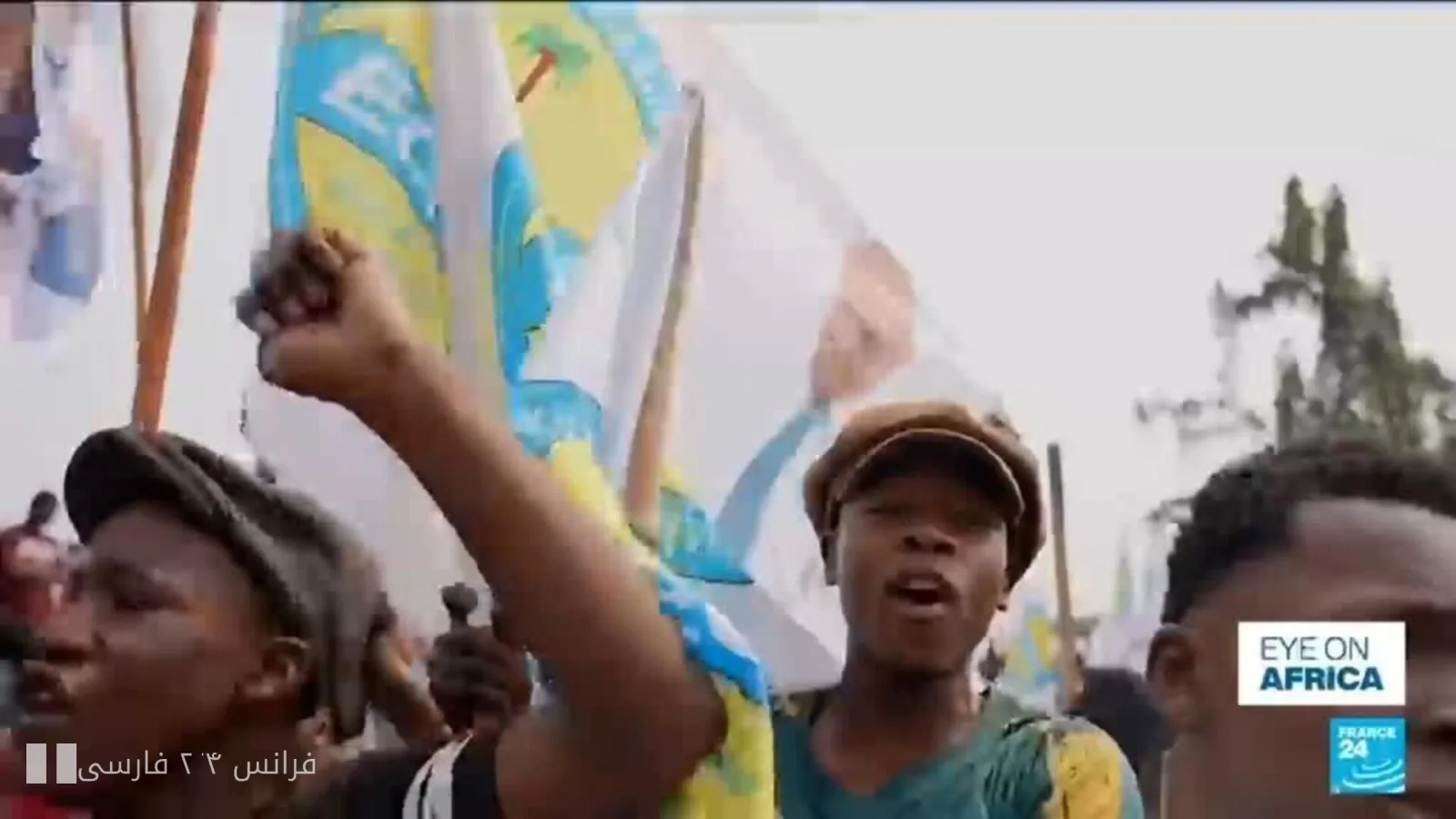
The C64 opposition coalition in the Democratic Republic of Congo took to the streets of Kinshasa on Monday, coinciding with the opening of a new parliamentary session, to express their opposition to the proposed constitutional changes. These changes have long been supported by the ruling majority and have faced strong criticism from opposition members.
Background of the Protests
Public protests in Kinshasa have begun amid rising concerns about democracy and the rule of law in the Democratic Republic of Congo. Members of C64 believe that the proposed constitutional changes could undermine democratic institutions and increase the power of the ruling authority. The group also points to concerns about transparency and fairness in the legal process, which appears to be designed in favor of specific groups.
Read more: The U.S. Department of Justice announced charges against five alleged Russian operatives
Reactions and Consequences
Protests in Kinshasa quickly spread to other parts of the country. Citizens have taken to the streets with slogans against the legal changes and in support of democracy. These gatherings clearly reflect public dissatisfaction and a desire to uphold democratic rights in the Democratic Republic of Congo. Analysts believe that these protests could impact the country's political process and increase international pressure for the respect of human rights and democracy.
While the government seeks to advance these legal changes, the opposition and civil groups are working to make their voices heard by the public and international institutions. They are calling for a transparent and inclusive process for legal changes that considers the interests of all citizens.
Read more: More than 100,000 people displaced due to conflicts in Yemen · Deadly fire in Congo schools; more than 20 children lost their lives