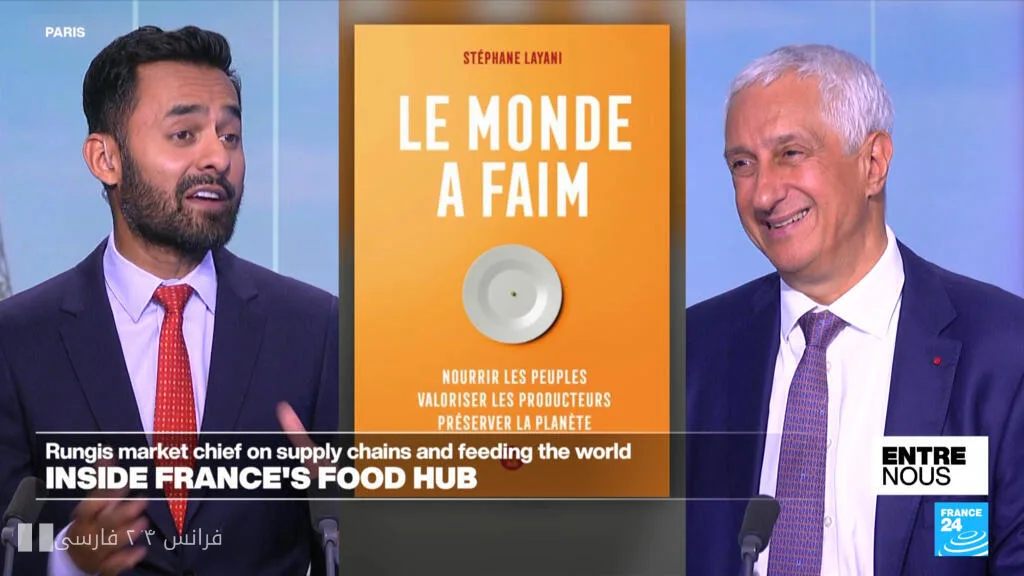
At the heart of the food supply chain in France, the president of the Rungis wholesale market, Stéphane Layani, points to the major challenges facing this industry. This market, the largest food wholesale center in Europe, has faced crises in recent years that affect not only France but the entire world.
Why is the World Hungry?
Layani, who recently published a book titled "The World is Hungry," believes that climate change and economic instabilities are shaping the future of the food supply chain. He emphasizes that if serious actions are not taken to address this crisis, more people around the world will face hunger.
According to Layani, the food supply chain in France has traditionally relied on local farmers and producers, but given the increasing demand and new challenges, this system needs modernization. He believes that new technologies should be leveraged to improve the distribution and supply of food.
The Future of the Food Supply Chain
Layani also points out that more attention should be paid to improving communications between producers and consumers. These communications not only enhance food quality but can also help reduce food waste. He states that in a world that is becoming increasingly urbanized, new capacities for food supply must be created.
The challenges of the food supply chain today are not limited to issues such as climate change and economic instability, but social and cultural transformations must also be considered. Layani, highlighting the importance of this issue, advises policymakers and decision-makers to seek innovative ways to solve these problems.