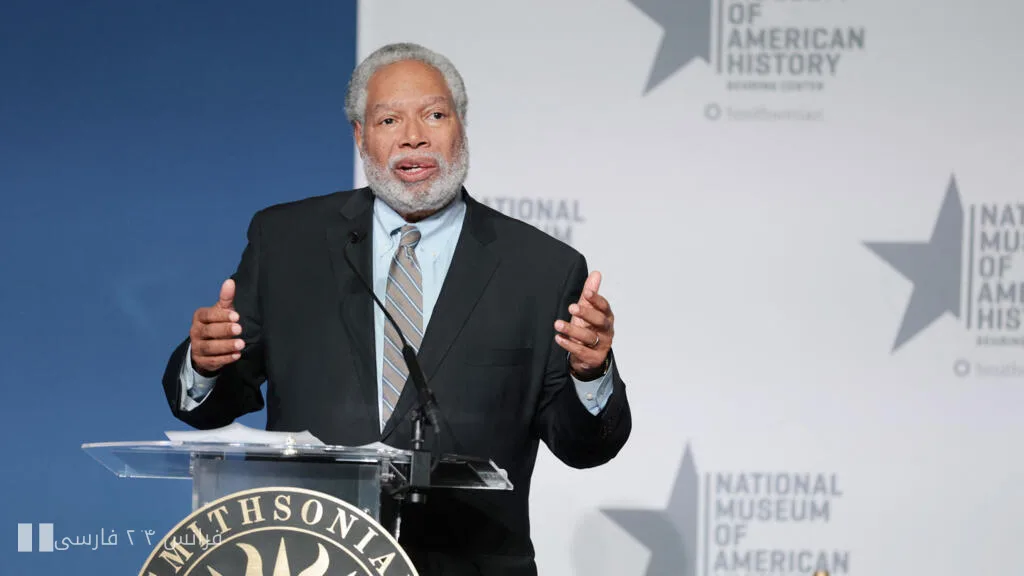
In a significant development, Lonnie Bunch, the head of the Smithsonian Institution, announced that he will step down at the end of this year. This decision comes as the institution faces increasing pressure from the Trump administration, which oversees how American history is presented in the institution's museums.
Political Pressure and Changes in Historical Narratives
The Smithsonian, as one of the most prestigious cultural and educational institutions in the United States, has always been at the center of historical and cultural debates. However, during the Trump presidency, the institution has faced criticisms and pressures aimed at altering the way history is narrated and presenting historical facts. Some critics believe that these pressures seek to distort history and change the official narratives of key American events.
Bunch, who is recognized as the first African American president of the Smithsonian, has made significant efforts to promote diversity and inclusion in historical narratives during his tenure. However, these pressures have now led him to decide to step down. Does this event signify the end of an era in which history was narrated authentically and without censorship?
The Future of the Smithsonian and Upcoming Challenges
Bunch's resignation not only reflects the internal challenges of the Smithsonian but also raises the question of whether other cultural institutions will be affected by such pressures. Are we on the brink of major changes in the way history is taught and narrated in America?
These developments at the Smithsonian are merely a sign of broader changes in American society, where truth and historical realities are being severely challenged. A future in which historical narratives are subject to political changes could have profound implications for future generations.