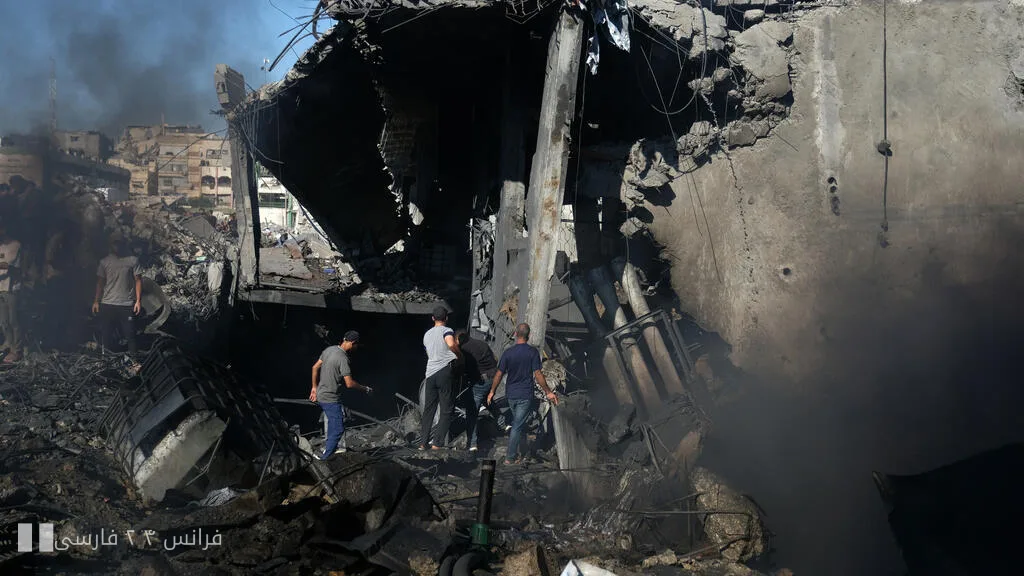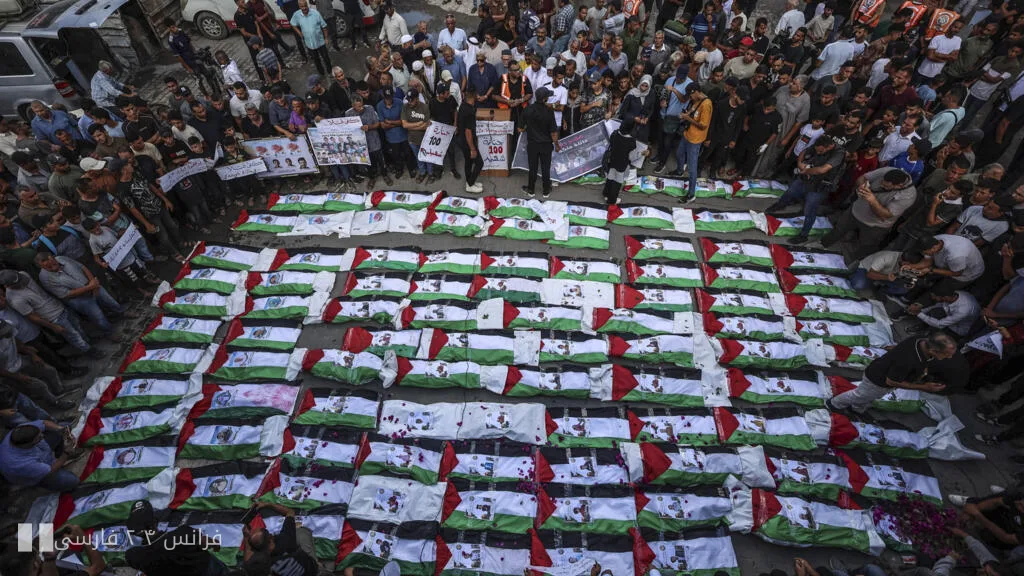
As the humanitarian crisis in Gaza reaches its peak, a United Nations expert has warned about the consequences of clearing the ruins in the region. He emphasizes that this action may destroy vital evidence of human crimes and severely hinder the identification and recovery of victims' bodies.
Risk of Erasing Evidence of Crimes
The recent war and conflicts in Gaza have severely impacted the lives of the people and left widespread destruction in their wake. This expert has stated that continuing this process of clearing could mean the loss of evidence and documentation related to human crimes. As many families are still searching for their missing loved ones, the destruction of this evidence could significantly diminish hopes for identifying and recovering victims.
This situation not only harms the process of justice but could also negatively affect the international community's perception of the human rights situation in Gaza. While some countries and organizations are seeking to investigate and document these crimes, rapid and extensive clearing of the ruins could mean concealing the truth.
Challenges in Identifying Victims
In the wake of recent destruction, identifying victims has become a major challenge. Given the critical conditions and lack of medical and legal facilities, restoring the identities of victims and providing justice to their families has become a distant wish. This expert has also expressed concern that with the continuation of this process, many victims may be completely forgotten and the history of these crimes may never be accurately recorded.
Ultimately, this situation not only affects the lives of the people in Gaza but also impacts international relations and the way the global community responds to humanitarian crises. In a context where there is a need for urgent attention and action, clearing the ruins could mean ignoring crimes and injustices.