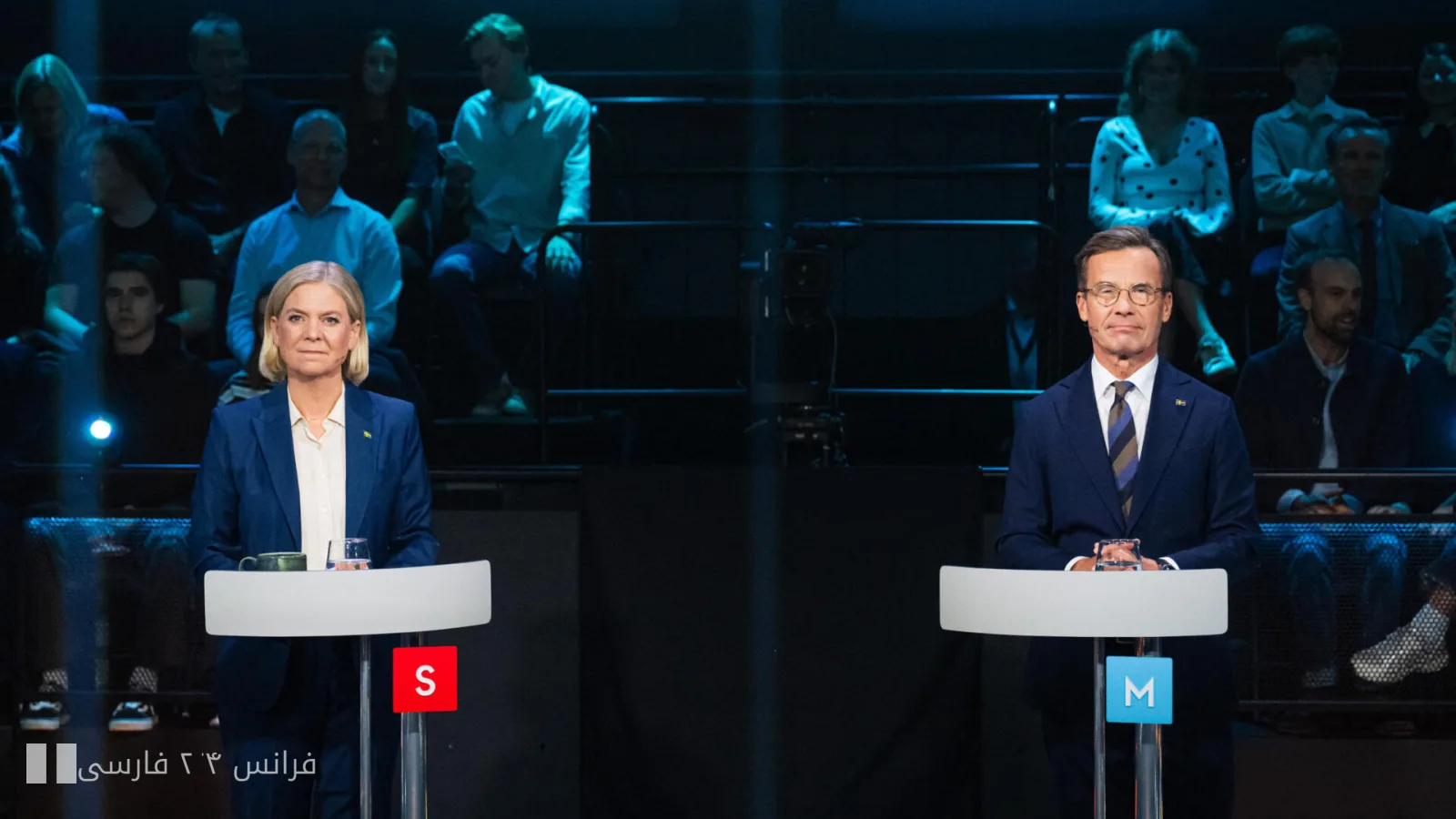
The 2026 Swedish elections have concluded, and the preliminary results indicate a tough night for the far right in the country. This election, recognized as one of the most important recent elections in Sweden, has raised many questions about the political and social future of the country.
Preliminary Results and Analyses
As polling stations gradually closed, preliminary results show that far-right parties, which have been significantly active in Sweden's political arena in recent years, are facing considerable challenges. Meanwhile, left and center parties have managed to garner more support from voters, given recent social and economic changes.
Demographic changes and increasing diversity in Sweden, especially in large cities, have had a significant impact on public votes. Many voters are looking for options that address issues such as immigration, the economy, and climate change, providing real solutions. In this context, the far right has gradually distanced itself from its support due to its inability to offer effective and rational solutions.
The Political Future of Sweden
The results of the Swedish elections could signal a change in the country's policies. Analysts believe that this election provides an opportunity for other parties, especially left and center parties, to continue strengthening their positions, while the far right must seek to revise its strategies.
These developments not only affect the political life of Sweden but could also influence political trends in other European countries. Can Sweden serve as an example of a positive change in European policies, or is this merely a temporary phase? The future will tell.