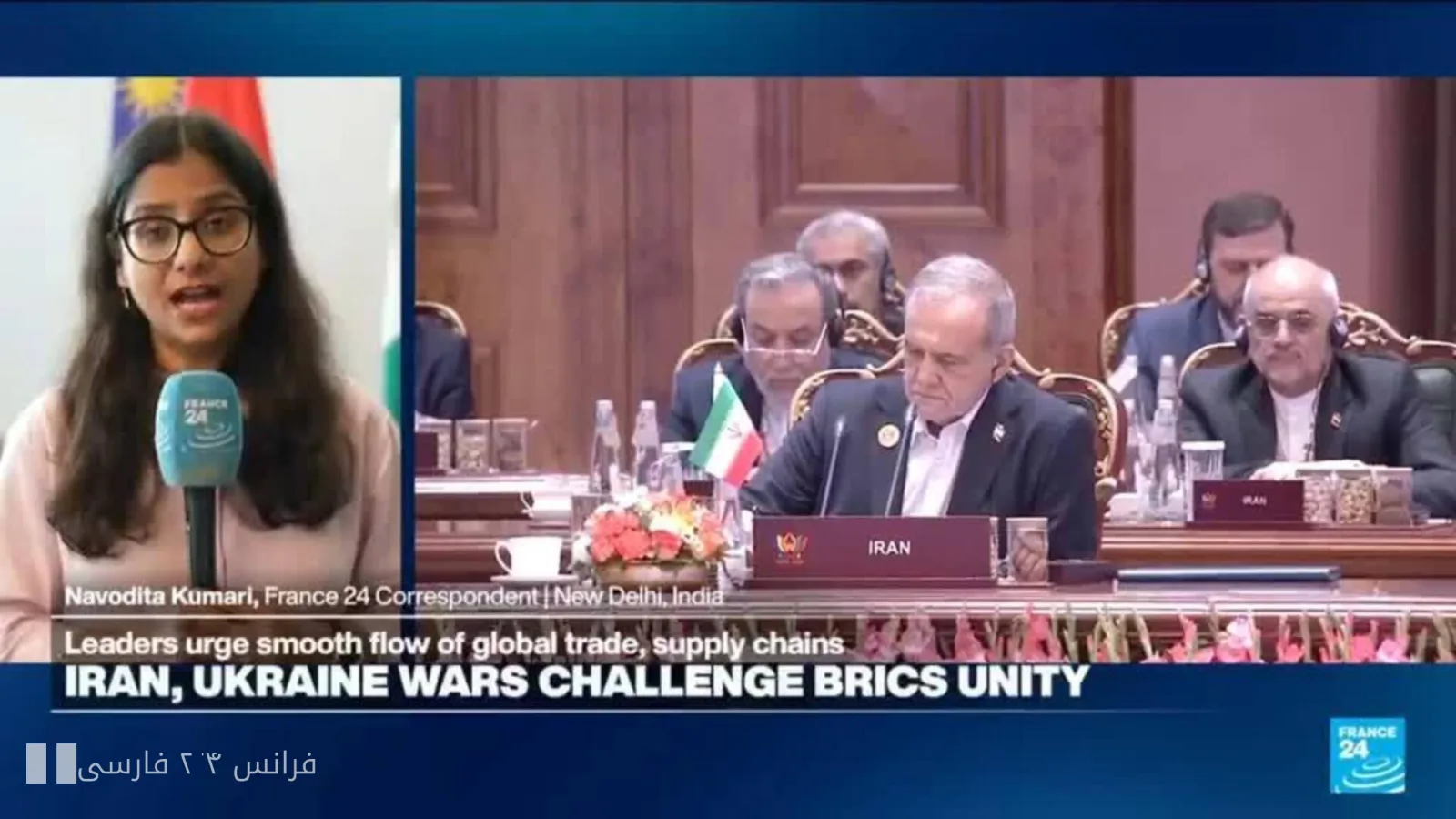
The BRICS summit in New Delhi is considered a turning point in the history of this economic bloc. In this meeting, member countries examined new global challenges and opportunities, and the outcomes of this summit could lead to major changes in international relations.
Main Topics of Discussion
One of the main topics of discussion was strengthening economic and trade cooperation among member countries. In this regard, BRICS members emphasized the need to reduce dependence on the US dollar and are seeking to create alternative payment systems. This move could indicate these countries' desire to increase economic independence and reduce Western influence.
Moreover, environmental issues and sustainable development were also in focus. BRICS countries agreed to work together to achieve sustainable development goals and manage environmental crises.
Developing Relations with Other Countries
The BRICS summit also addressed the development of relations with non-member countries. This means that BRICS is looking to expand its influence to other parts of the world. In particular, Asian and African countries were introduced as new targets for this economic bloc.
Given these developments, there are many questions regarding the future of the global order and the impact of these changes on major powers. Can BRICS act as a serious competitor to traditional powers such as the United States and the European Union?
Ultimately, the BRICS summit in New Delhi is seen not only as an economic event but also as a sign of profound changes in global policies. It remains to be seen how these changes will affect international relations and whether member countries will be able to maintain their unity and cooperation.