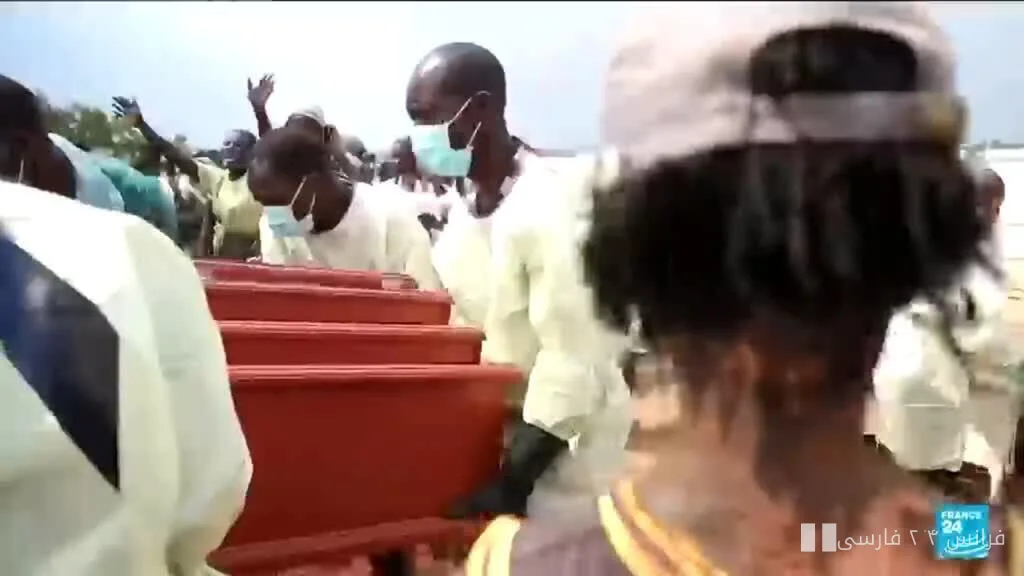
At the heart of the Ebola crisis in eastern Democratic Republic of Congo, burial teams for victims are working at an unprecedented pace to save lives. This mission not only endangers the lives of these teams but also faces distrust and threats from local communities.
Local Threats and Security Crises
Many residents in these areas are distrustful of foreign aid due to bitter past experiences. This distrust has been exacerbated in the current situation, where armed conflicts and the activities of rebel groups are on the rise. Ebola burial teams, in addition to health risks, must also grapple with these security threats.
Currently, public health efforts to control this epidemic are facing multiple challenges. Burial teams must act very quickly, as any delay could lead to the spread of the virus. They are required to bury victims in a safe and hygienic manner, but this task is not easy in conditions where local communities are suspicious of them.
Looking Ahead in Crisis Conditions
As the spread of this disease continues, the need for a comprehensive and synergistic approach to tackle the Ebola crisis in Congo is more urgent than ever. It seems that cooperation between local authorities and health teams could be the key to success in this battle. But is this cooperation possible in a situation where trust between the parties has reached a minimum?
In the end, the reality is that the Ebola crisis in eastern Congo is not just a health challenge, but a deep social and political problem. War and conflict, as a significant factor in this crisis, must be considered in order to find sustainable solutions for a better future.