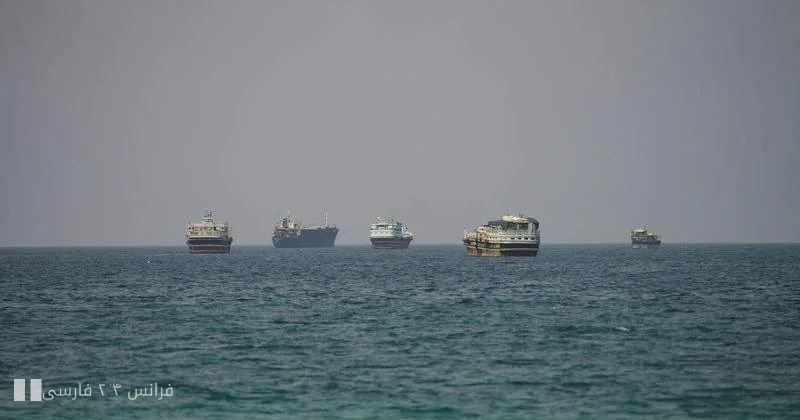
As tensions in the Persian Gulf continue to rise, new data shows that commercial vessel traffic in the Strait of Hormuz, one of the world's most important maritime routes, has faced a significant decline. On Tuesday, only six commercial ships were in transit through this strait, while this figure reached nine on Monday, and the average over the past ten days was about twelve vessels.
Seoul in Search of Security Solutions
The decrease in ship traffic in the Strait of Hormuz is a sign of growing concerns regarding maritime security. Seoul, as a key player in maritime trade, is actively exploring various options to participate in the maritime security of this region. This decision clearly reflects serious concerns about the potential escalation of tensions and the associated risks for global trade.
Given the strategic importance of the Strait of Hormuz, through which about 20 percent of the world's oil passes, any reduction in vessel traffic could have widespread impacts on the global energy market. In this context, Seoul is looking for ways to protect its economic interests and enhance security along trade routes.
Consequences of Reduced Traffic
Analysts believe that this decrease in vessel traffic could indirectly affect oil prices and other commodities. If this trend continues, countries may be forced to adopt new security measures, which could lead to heightened tensions.
Thus, Seoul and other countries must closely monitor the situation and prepare to tackle potential challenges. Will maritime security in the Strait of Hormuz become a top priority for various countries? This is a question that needs to be addressed in the coming days.