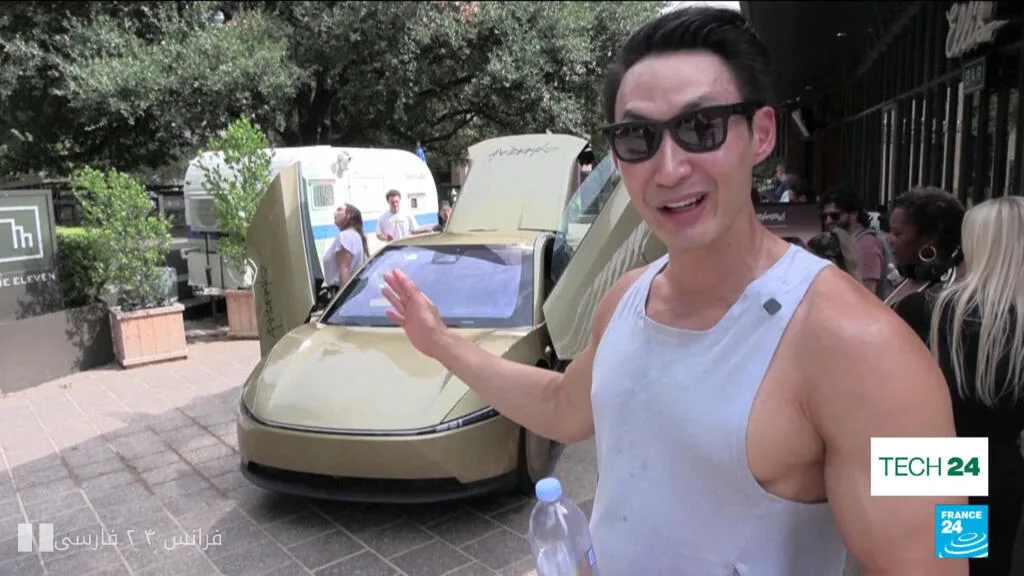
In recent years, driverless taxi services have been rapidly expanding in cities such as Austin and London. This phenomenon is recognized as a revolution in the world of transportation, but it has raised profound questions about safety, its impact on the job market, and its social implications.
Safety and Trust Challenges
Accidents and incidents involving self-driving taxis have raised serious concerns about the safety of this technology. Can we trust the algorithms and sensors of these vehicles? With technological advancements, many experts believe that these vehicles can operate effectively in various conditions. However, concerns about sudden reactions and unpredictable situations still remain.
Impact on the Job Market
The expansion of driverless taxi services naturally raises questions about the future employment of taxi drivers and other related jobs. Will this technology eliminate thousands of jobs, or could it lead to the creation of new opportunities? While some believe that automation can increase incomes, others worry that this trend may lead to wider unemployment.
Moreover, given that many companies are making significant investments in this technology, we are likely to witness more intense competition for market dominance in the near future. This competition could lead to more innovations, but at the same time, it will also bring new risks and challenges.
Ultimately, the emergence of driverless taxis is a complex and multifaceted phenomenon that requires serious attention from policymakers, investors, and society. This technology could help improve quality of life and reduce traffic if managed properly, but if challenges are ignored, it may turn into a social disaster.