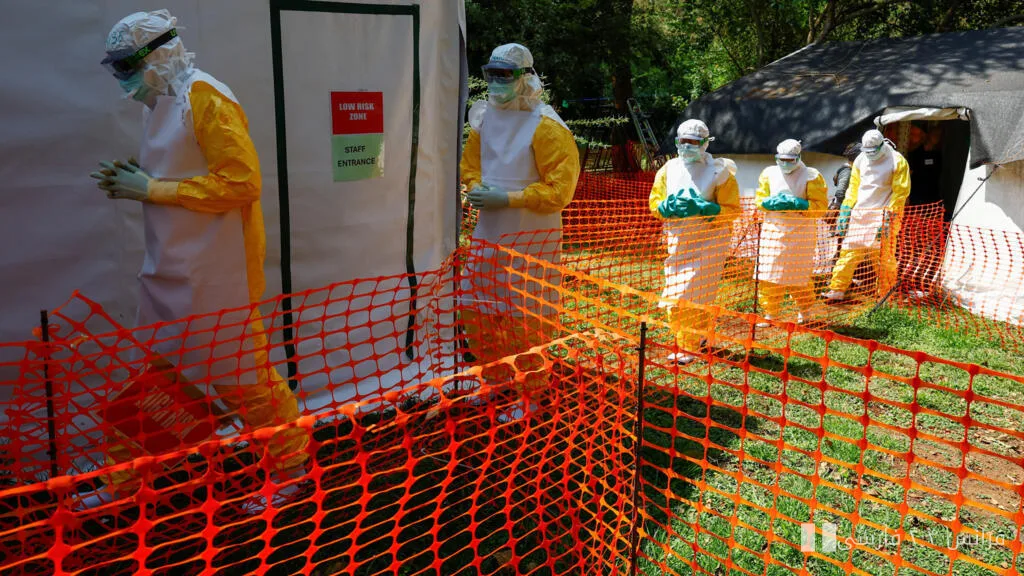
The Ebola outbreak in the Democratic Republic of Congo has turned into a serious crisis. Since the onset of this seventeenth outbreak in mid-May, the number of infected individuals has reached nearly ۴,۰۰۰, and more than ۱,۷۰۰ people have lost their lives. These alarming statistics clearly indicate the severity and speed of the spread of this deadly disease.
Call from the World Health Organization
The World Health Organization (WHO), in response to this critical situation, has called for a "stronger" medical response. This international body has dispatched medical teams to the affected areas in Congo and established specialized treatment centers in high-risk provinces. These actions come as efforts to find an effective vaccine continue.
Based on past experiences, managing Ebola outbreaks requires international cooperation and prompt action in response to this crisis. For this reason, the WHO has emphasized the importance of increasing global efforts and cooperation, urging countries and relevant organizations to become more active in this regard.
Challenges Ahead
The effort to control the Ebola outbreak in Congo is not limited to sending doctors and establishing treatment centers. Social and economic challenges also significantly impact the response to this disease. Many people avoid visiting healthcare facilities due to fear of contracting the disease, which could lead to further spread of the virus.
In this situation, the need for awareness-raising and community education to change behavior and encourage people to visit healthcare facilities is of particular importance. Media and non-governmental organizations also play a key role in this regard. Ultimately, only with a comprehensive and coordinated approach can there be hope for controlling this crisis and saving lives.