European governments are strengthening laws and regulations regarding short-term rentals, especially Airbnb. In recent years, the rise of vacation rentals has become one of the main challenges in major cities. This issue has not only affected housing prices but has also seriously harmed the local community.
Increased Pressure on the Housing Market
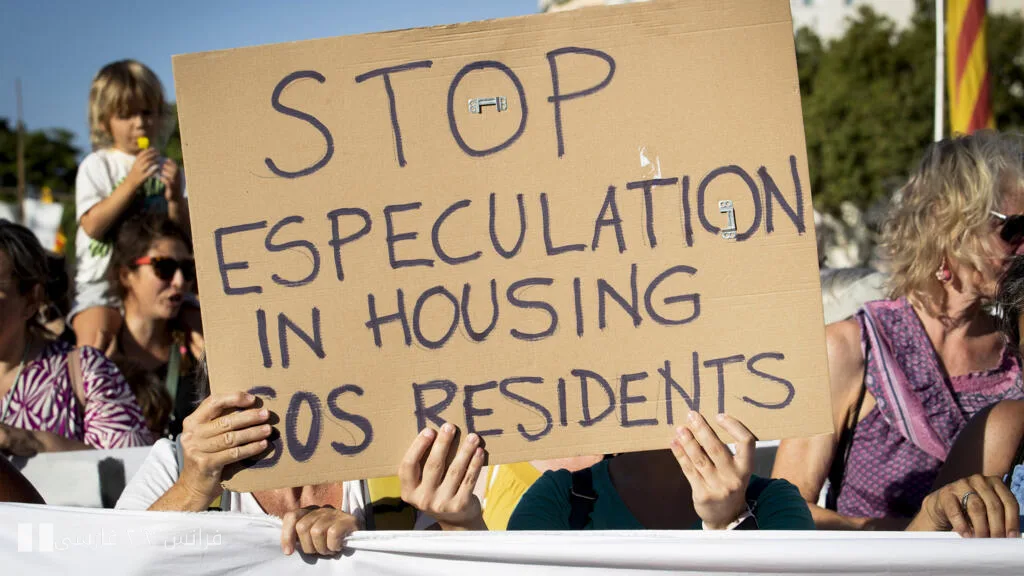
With the increase in short-term rentals, many urban residents are suffering from rising prices and a shortage of available rental homes. This situation has led to widespread protests in some major European cities. Governments are now seriously considering solutions and are enacting new laws aimed primarily at limiting these types of rentals.
In this regard, some cities are planning to create mandatory registration systems for rental property owners. This measure will not only help clarify the status of short-term rentals but will also enable tracking and monitoring of these activities. The ultimate goal is to ensure that the housing market remains accessible to local residents.
Challenges Ahead
However, these developments will not be without challenges. Property owners and companies related to short-term rentals will strongly resist these new laws. They argue that these regulations could lead to reduced incomes and also harm the diversity of accommodation options for tourists.
Nevertheless, governments have come to believe that protecting the interests of local residents and enhancing the quality of life in cities must take priority. This battle between economic interests and social welfare will soon become one of the hot topics in political and social circles in Europe.