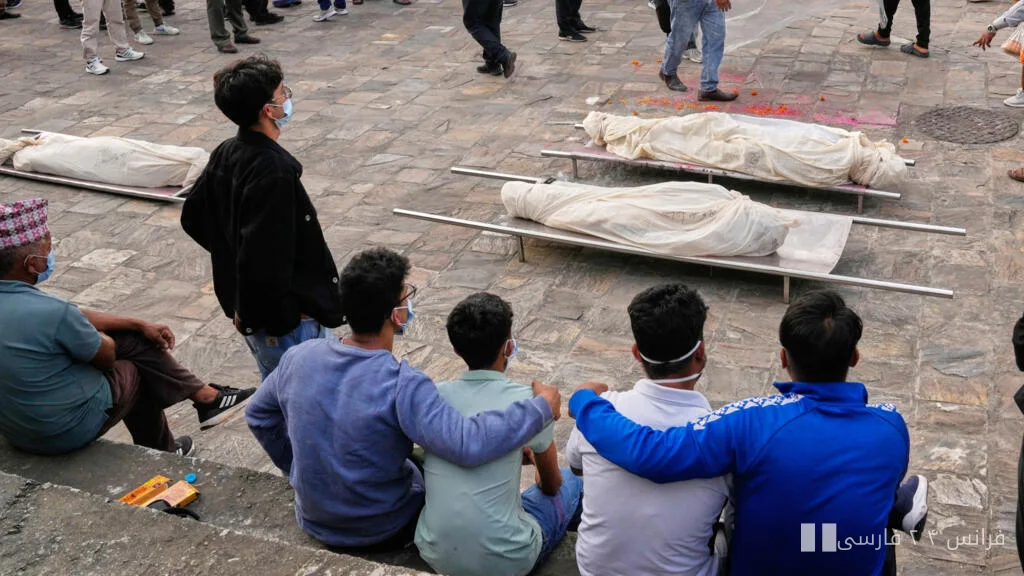
The recent catastrophic floods in Nepal have not only disrupted many lives but have also posed a significant challenge for local authorities in identifying victims. Currently, the bodies of many victims are being analyzed, and to prevent health issues, unidentified bodies are being buried quickly.
DNA Testing: A Way to Identify Victims
Before any burial, DNA samples are taken from the bodies. Families who have lost loved ones can provide their samples at DNA collection centers. These samples are then compared with the genetic profiles of identified bodies. This process brings hope for identifying victims and alleviating the pain of families.
In this critical situation, Nepalese officials are under intense pressure to respond to families and reduce uncertainty and confusion. The floods in this country have jeopardized years of development and progress, putting many people's lives in crisis.
Challenges Ahead
While efforts to identify victims continue, there are also concerns about the health and social repercussions of these floods. Many people are still searching for their loved ones, and with each passing day, the psychological burden of this wait increases. This situation has turned Nepal into a critical point that requires immediate global attention and assistance.
Ultimately, this disaster not only serves as a reminder of nature's destructive power but also highlights the need for better infrastructure and faster warning systems. Nepal must learn from this crisis and move towards improving living conditions and the safety of its people.