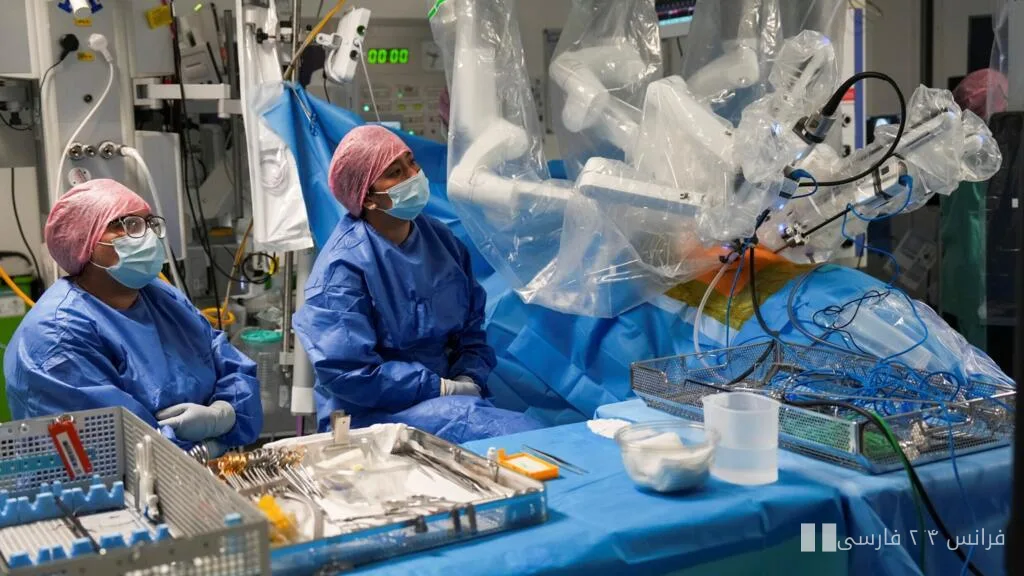
At the heart of the British healthcare system, the next generation of surgeons is being trained and educated using robotic technology. This innovation in keyword surgeries, known for being minimally invasive, is designed to provide greater precision in performing surgical procedures. As the healthcare system in Britain faces serious pressures, this method could be a solution to existing problems.
Reducing Hospitalization Time and Improving Service Quality
By using robots, surgeons can perform complex procedures with greater accuracy, resulting in smaller incisions. These small incisions not only help reduce pain and infection but can also lead to a significant decrease in patients' hospitalization time in hospitals. In other words, patients may return home more quickly, which in turn provides more space for new patients and helps reduce waiting lists.
These robotic surgeries are beneficial not only for patients but also for the healthcare system. By freeing up space in hospitals, more facilities are available for admitting new patients, and the pressure on medical staff is reduced. In fact, this shift in approach could lead to an overall improvement in healthcare services in Britain and help increase the satisfaction of both patients and medical staff.
Challenges and the Future of Robotic Surgery
Despite the many advantages, this new technology is not without challenges. Surgeons must be carefully trained and familiarized with new technologies. Additionally, the high costs of robotic equipment may pose a barrier for some hospitals. However, given the increasing demand for healthcare services, investing in this area could be an effective long-term solution.
Nevertheless, the future of robotic surgery in Britain looks bright. With continued training and technological advancements, it seems that these innovative methods could become a new standard in medical surgeries, benefiting all stakeholders in this field.