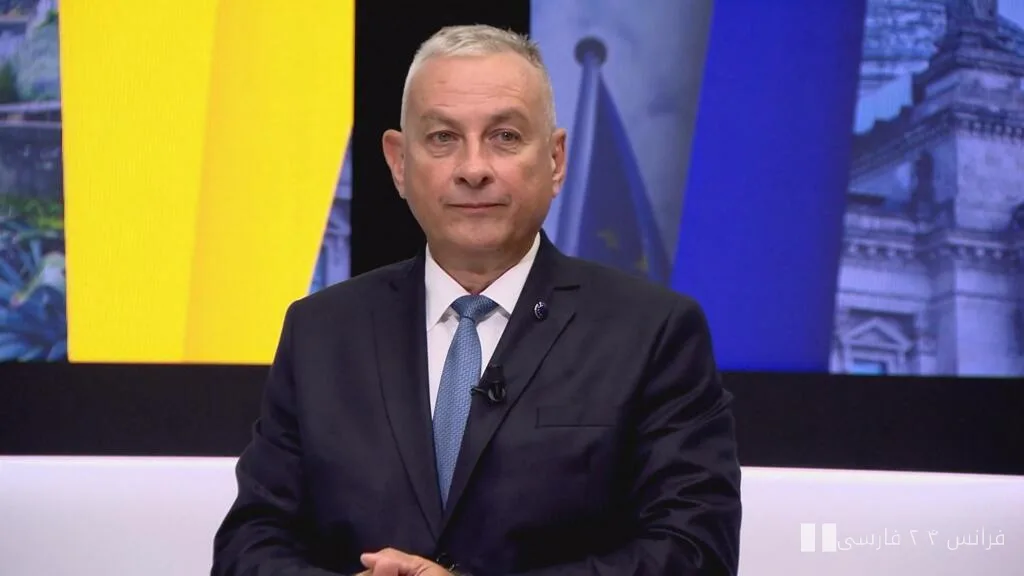
In an engaging and thought-provoking conversation with Joseph Sikela, the European Union Commissioner for International Partnerships, he examined today's global challenges and the necessity of strengthening cooperation with Africa. At a time when many believe that great powers are returning to selfish policies and neglecting small countries, Sikela emphasizes that multilateralism is still alive and must continue in the interest of common goals.
Multilateralism in the Age of Strong Powers
Sikela, pointing to the importance of international cooperation, especially in economic and social fields, announced that the European Union is seeking to strengthen its relations with Africa. He states: "Investing in Africa is not only beneficial for the continent but is also considered an investment in the future of Europe. This can lead to the creation of stability and security in the region." This perspective reflects a shift in the EU's policies and a focus on sustainable cooperation.
A Look to the Future
Despite current challenges and concerns about the return of great powers to selfish policies, Sikela believes that multilateralism can serve as a solution to global problems. He emphasizes that with closer cooperation with developing countries, Europe can help address global issues, including climate change and humanitarian crises.
This conversation comes at a time when global crises, especially in the areas of security and development, increasingly demand new and effective approaches. Can multilateralism truly be seen as a solution to today's global challenges? Sikela believes the answer is yes, but it requires collective will and transnational cooperation.