As the international community watches the developments in Iran and the struggles of women in that country, Marine Le Pen, the presidential candidate for ۲۰۲۷ from the National Rally party, has made a controversial promise. She announced that if she wins the election, a referendum will be held on the Islamic hijab, and fines will be imposed on women wearing hijabs in public spaces. These statements have not only sparked many positive and negative reactions but have also reignited the debate over the ban on hijab in France.
Political and Social Justification
Some political figures in France, including Jean-Philippe Tanguy, are trying to justify this ban by citing the recent protests of women in Iran. This approach somewhat reflects the alignment of France's policies with social and political movements in Iran. In fact, the struggles of women who have risen for their rights in Iran have been presented as a model for social changes in other countries, including France.
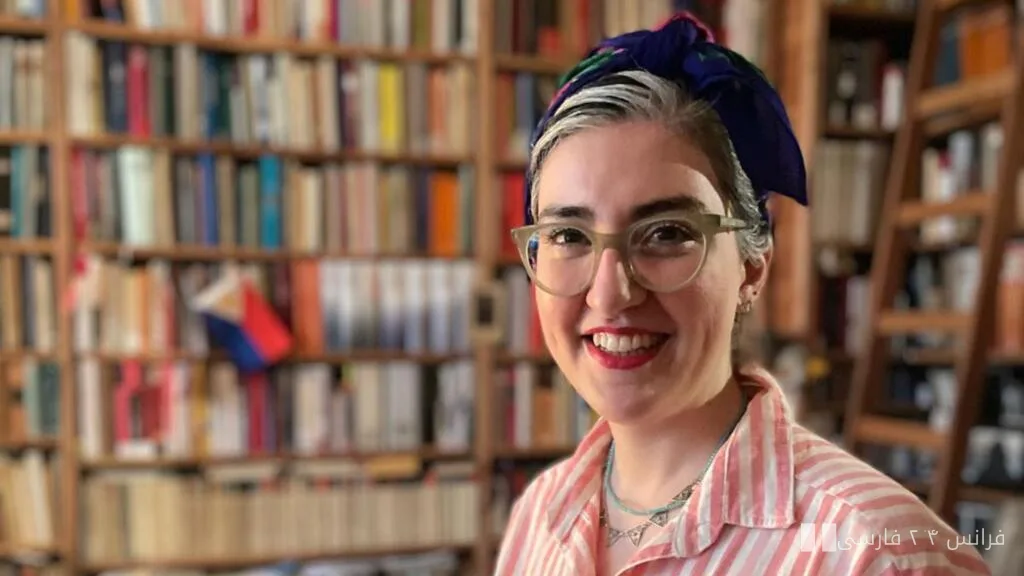
Shirin Asa, a researcher in cultural and post-colonial studies, believes that the "hijab" is not only the starting point of women's struggles in Iran but also not the end of it. She argues that this issue goes beyond a cultural matter and has become a social and political challenge.
Social Consequences
Asa emphasizes the importance of considering various aspects of this issue and states that the topic of hijab should be examined within a broader social and political context. She points out that while France seeks to strengthen its national identity by limiting religious symbols, it may actually exacerbate social and cultural divides.
As social tensions in France have increased due to these controversial promises, it is expected that this issue will remain at the center of media and public attention. Ultimately, this topic could serve as a platform for deeper discussions about women's rights and civil liberties on a global scale.