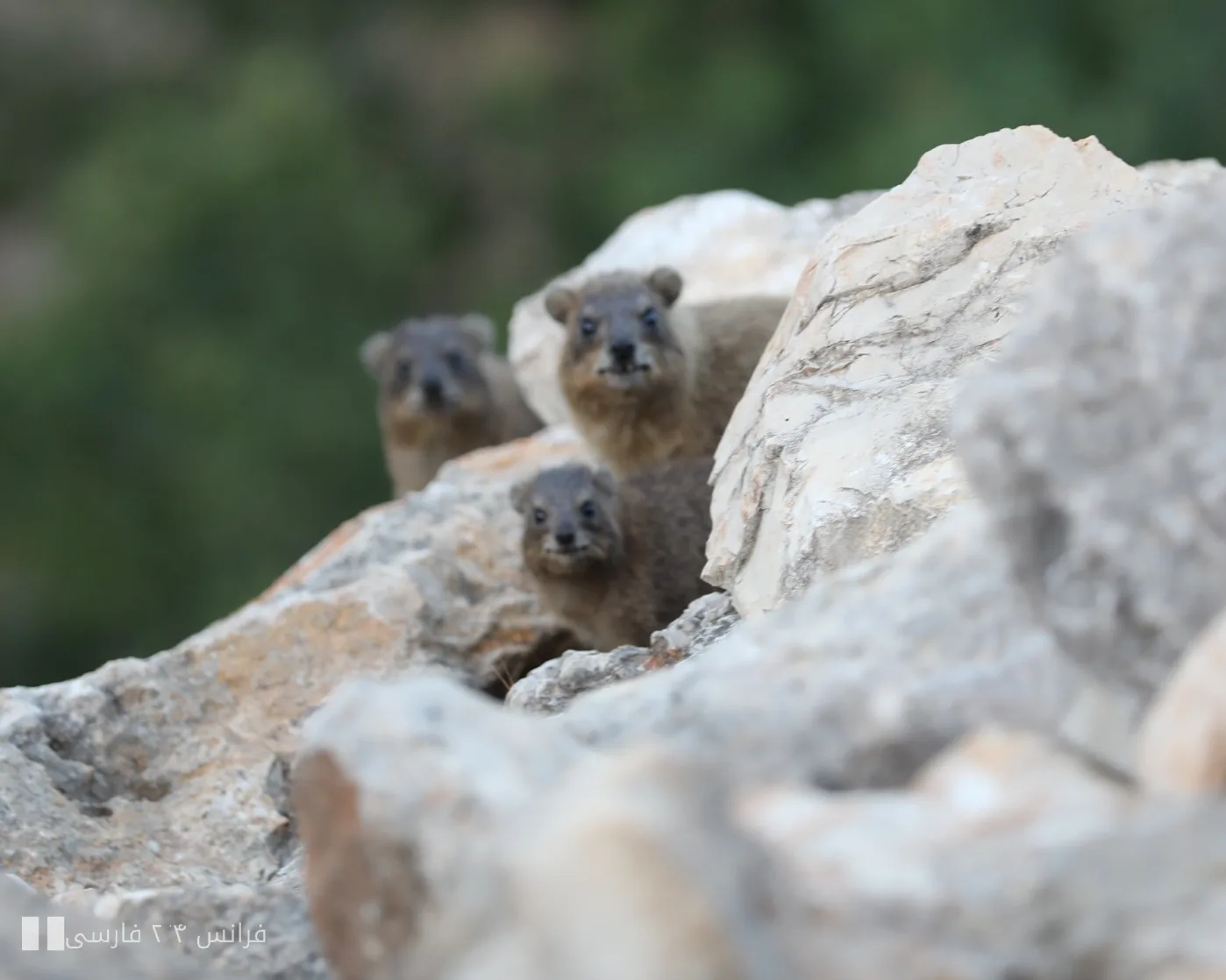
Wars are usually measured by the number of casualties, destroyed homes, and devastated cities. But who pays attention to what remains beneath the rubble? In southern Lebanon, repeated and massive explosions not only bring about human tragedies but also destroy ancient rocky habitats that have been home to Syrian hyrax colonies for centuries.
Destruction of Habitats and Ecosystems
Meanwhile, the Syrian hyrax, a small creature with soft fur, is heavily dependent on the fragile landscapes of the border region. This endangered species is seriously threatened due to the destruction of its habitats. As the founder and president of an environmental organization in southern Lebanon, we have documented the impact of war on forests, wildlife, and vulnerable ecosystems. These damages not only harm wildlife but also affect local communities.
Human and Environmental Consequences
Environmental destruction alongside the displacement of people represents a multifaceted disaster. While humans seek a safe refuge, wildlife is also searching for a way to survive. This painful intersection reminds us that war does not only affect humans but has devastating impacts on all living beings and ecosystems.
In these circumstances, we must pay attention to our responsibilities towards the environment and support the voices of these small creatures. Because the environmental disaster caused by war has much broader dimensions and should not be overlooked.