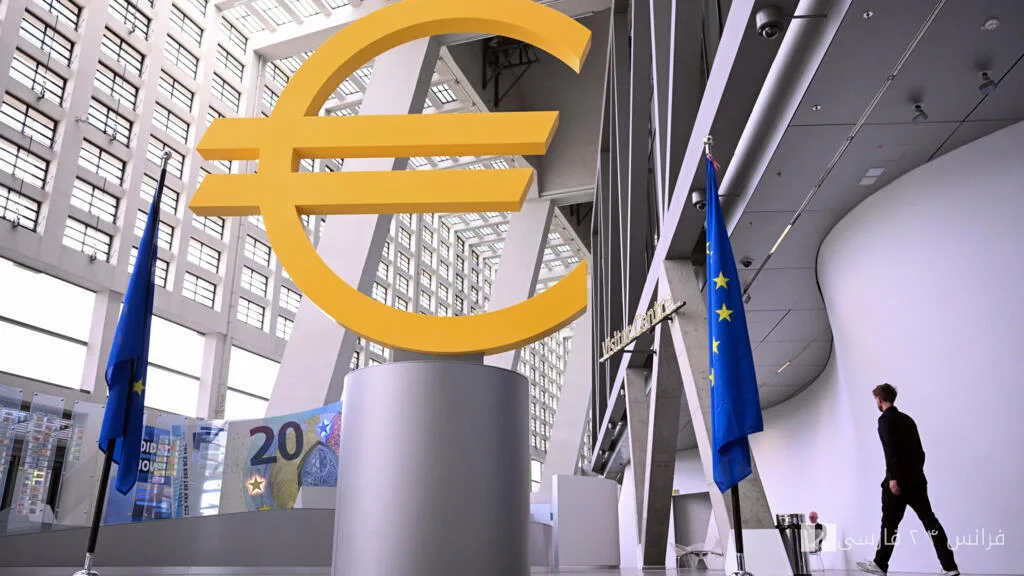
In the days when the war between Iran and the U.S. is intensifying, the global energy market is under pressure and oil prices have surged significantly. As a result, hopes for a return to normal energy flows from the Strait of Hormuz have drastically diminished. This situation has pressured the European Central Bank (ECB) to explore new methods for controlling inflation.
Inflation at Its Peak
In August, inflation in the Eurozone, which is heavily dependent on energy imports, reached its highest level in three years at ۳.۳ percent. This figure clearly exceeds the ECB's two percent target and has raised concerns about further price increases. Therefore, the central bank is expected to raise its interest rates for the second time this year at the meeting on Thursday.
Economic experts predict that the ECB's governing council will increase the deposit rate from ۲.۲۵ percent to ۲.۵ percent. After the first rate hike in June, the bank decided to pause in its July meeting to see how the developments of the war would unfold. However, given the current deadlock between Tehran and Washington, signs of a willingness to continue the rate hike trend are emerging.
Economic Challenges and Concerns
The Eurozone economy faced better-than-expected growth in the second quarter of this year, allowing policymakers to raise borrowing costs without harming the economy. However, some economists believe that raising interest rates may be a mistake. They argue that this action may not effectively mitigate the impacts of supply shocks.
The upward trend in prices has primarily been driven by rising energy costs, and there are few signs of inflation spreading to other economic sectors. While high borrowing costs typically help reduce demand, some believe that this action may not be very effective against the current oil shocks.
The European Central Bank is highly concerned about falling behind economic developments, especially in light of the criticisms from ۲۰۲۱ and ۲۰۲۲ regarding its slow response to rising inflation in the Eurozone. However, it is expected that the ECB will halt the rate hike trend after this meeting. The central bank president, Christine Lagarde, usually provides less clarity in the post-meeting press conference and emphasizes that future decisions will be based on incoming data.