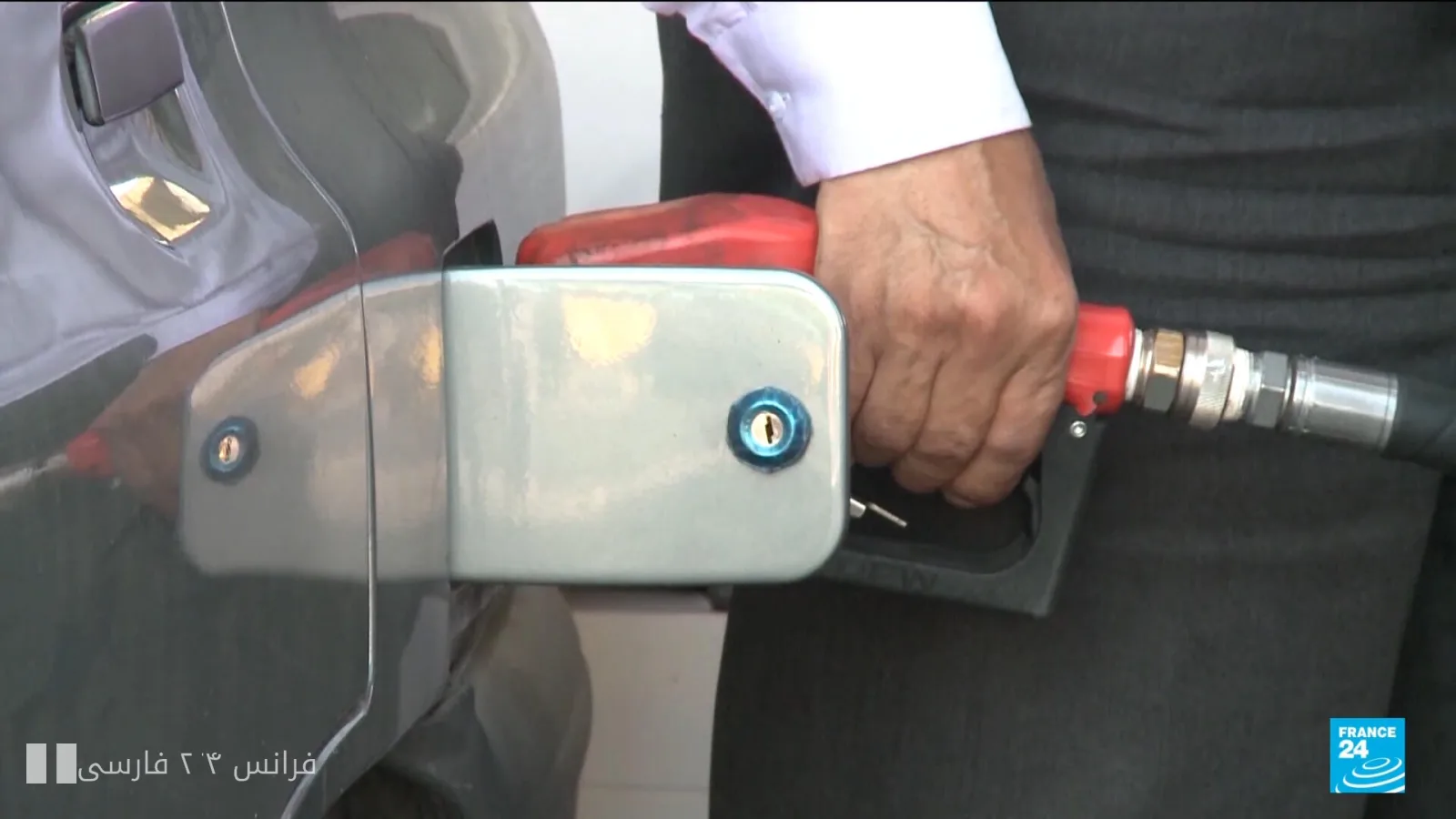
The increase in fuel prices in Iran has turned into a crisis that not only affects the daily lives of the people but also exacerbates internal and external tensions. While the government seeks to control the situation, fuel prices have risen sharply, making this one of the fundamental challenges facing society.
Social and Economic Consequences
This increase in fuel prices occurs at a time when many areas of Iran, including those that have been bombarded, are facing shortages of resources and basic services. People in these areas, especially during the cold season, are facing serious problems in securing fuel for heating and daily needs. This situation fuels social and economic dissatisfaction.
International and Domestic Tensions
The fuel crisis not only impacts people's lives but also exacerbates international tensions. In the United States, former President Donald Trump has pointed out this issue, stating that prices will not decrease before the midterm elections. This highlights the deep dependence of the Iranian economy on fuel prices and its impact on domestic and foreign policies.
Given the current conditions, it seems that the people of Iran must grapple with this new challenge. While the government is looking for ways to control prices, this situation could lead to a larger crisis. People are waiting for fundamental changes, but will these changes be attainable?