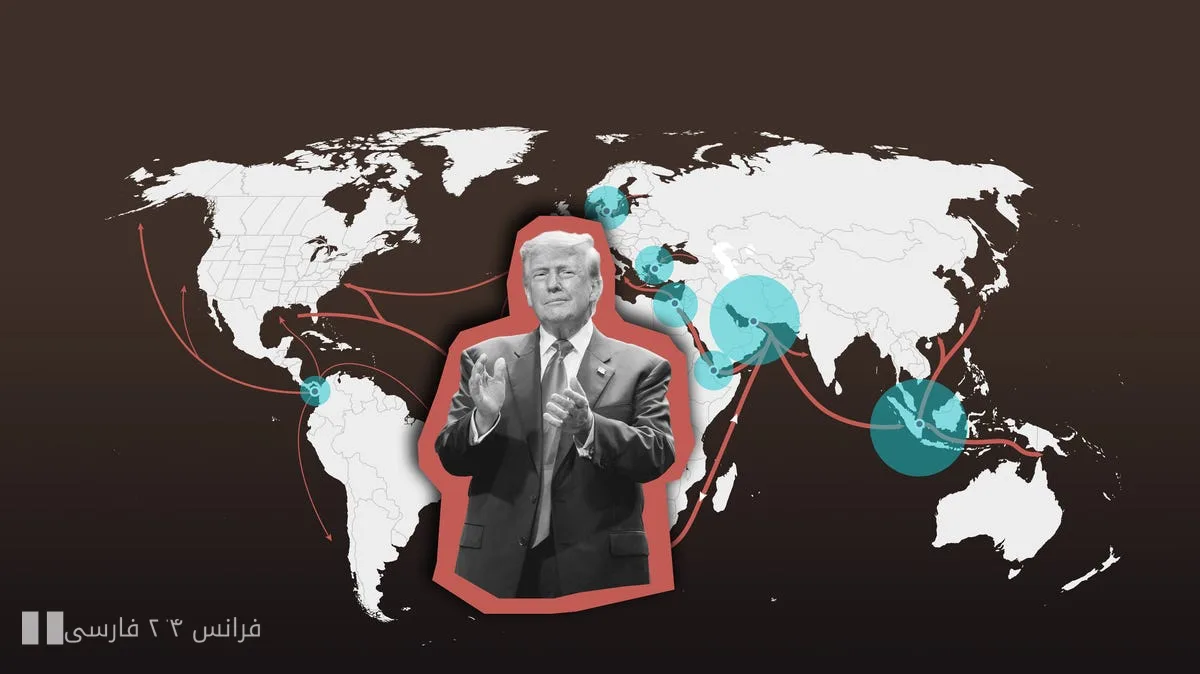
In a worrying development, Iran and the Houthis of Yemen have effectively blocked two key shipping routes; an action that could have profound implications for the global economy. These two routes, known as important trade chokepoints, will have significant impacts on global oil prices and other essential commodities.
Economic Consequences of the Blockade
The blockage of these routes could lead to an increase in oil prices, an issue that is extremely sensitive and critical in the current global economic climate. Given that a large portion of the world's crude oil passes through these points, any disruption in this flow could lead to increased costs and, consequently, global inflation. This situation not only puts pressure on oil-producing countries but also harms the global supply chain.
Reactions to these events from various countries and international organizations are highly concerning. Officials and economic analysts are examining strategies to cope with this crisis to prevent more serious problems from arising. In this context, additional sanctions and military and economic measures are likely to be implemented.
The Future of Global Trade at Risk
In light of these developments, the future of global trade is shrouded in uncertainty. Many companies may seek alternative routes for transporting their goods, which in turn could lead to increased costs and changes in trade patterns. These changes will not only affect prices but could also exacerbate instabilities in global markets.
Ultimately, this crisis not only harms the global economy but also puts peace and security in the region at risk. It seems that the continuation of this situation requires urgent attention and action from the international community.