Tehran and Islamabad coordinated through a series of high-level contacts to contain the tensions arising from the Houthi attacks on Saudi Arabia and to return the issue to the path of diplomacy.
Focus of September 10 Contacts on Reducing Tensions
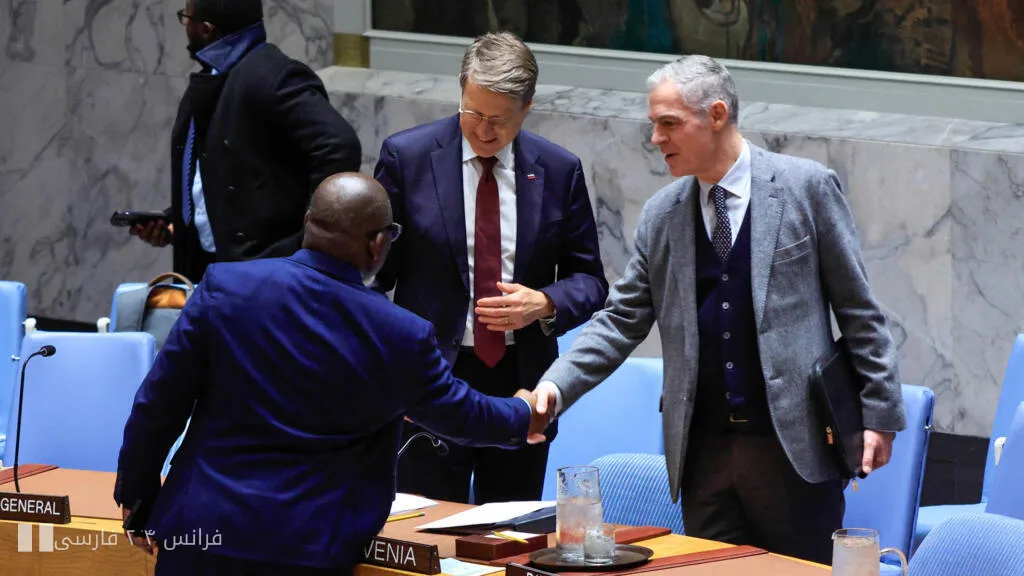
According to an official announcement from the Iranian Foreign Ministry, Abbas Araqchi spoke separately on the evening of Thursday, September 10, 2026, with the Saudi Foreign Minister and Field Marshal Syed Asif Munir, the Chief of Army Staff of Pakistan, about "the escalating tensions and the implications of insecurity for peace and stability in the region." According to ANews, these discussions were part of coordinated efforts to reduce regional tensions, focusing on managing the security and diplomatic consequences that had arisen.
Chain of Contacts from August 26 to September 6
Previously, the Saudi state news agency SPA reported that on September 6, 2026, Abbas Araqchi and Faisal bin Farhan discussed regional developments in a phone call. Additionally, according to BERNAMA/Anadolu, Araqchi and Asif Munir also spoke on August 26, 2026, emphasizing the necessity of continuing consultations for peace and security in the region. The continuity of these contacts indicates that communication channels between Tehran, Riyadh, and Islamabad have remained actively engaged and have been utilized multiple times in a short period to manage the crisis.
September 8 Attacks and Their Security and Diplomatic Impact
Associated Press, citing Saudi officials and independent sources, confirmed that on September 8, 2026, a wave of missile and drone attacks by the Houthis targeted Saudi Arabia. These attacks damaged oil facilities and reportedly left over 70 injured. The intensity of the attacks and the targeting of energy infrastructure created an immediate security and diplomatic backlash in the region, leading to an expansion of multilateral consultations. Following the Houthi advances along the Red Sea coast, the weight of field developments became a priority for regional capitals, accelerating the cycle of contacts among Tehran, Riyadh, and Islamabad.
Tehran's Position: End of the Siege and Immediate Return to Dialogue
In its first response following the Houthi advances, Iran called for an end to the "siege" of Saudi Arabia against Yemen and emphasized the need for "immediate resumption of negotiations." According to Associated Press, Tehran stated it is ready to support the negotiation process. The core of this position was defined as reducing tensions through diplomacy and avoiding further escalation of insecurity; an approach that was described as aligned with the content of the September 10 contacts and focused on "the implications of insecurity for peace and stability in the region." The combination of Tehran's message indicated a specific timing following the September 8 attacks and a direct link to the Yemen issue.
Islamabad's Position: Condemnation of Attacks, Mediation, and Defensive Frameworks
In Islamabad, Pakistani officials and the Foreign Ministry condemned the Houthi attacks, discussing mediation channels and the necessity of warning about defensive frameworks. The spokesperson for the Pakistani Foreign Ministry addressed questions about the "Joint Defense Pact of Mecca" in a press conference on September 10, 2026, and outlined Pakistan's official positions emphasizing the need for diplomacy; the text of this meeting was published in a statement by the Pakistani Foreign Ministry. Simultaneously, the Pakistani Defense Minister, in remarks reflected in DAWN, warned that the "Defense Pact of Mecca" between Pakistan, Saudi Arabia, and Turkey could be activated if the conflict in Yemen spills over into Saudi Arabia, stressing the "defensive nature" of these frameworks. This collection of positions highlighted the duality of "supporting Saudi Arabia" and "continuing mediation initiatives" in Islamabad's declared policy.
Comparative Analysis of Messages: Containing Attacks and Returning the Issue to Diplomacy
A summary of official and media evidence indicates that Tehran and Islamabad have recently focused on two overlapping axes through high-level contacts: first, containing Houthi attacks and preventing the escalation of insecurity; second, returning issues to the path of diplomacy. Iran, by requesting an end to the siege and inviting the resumption of negotiations, emphasized a dialogue-oriented framework. Pakistan, alongside condemning the attacks and expressing support for Saudi Arabia, highlighted mediation capacities and reminded of existing defensive mechanisms. According to ANews, framing the September 10 contacts as "coordinated efforts to reduce tensions" indicates that the two capitals have created simultaneity in adjusting messages and communication pathways with the involved actors.
Linking Contacts to Field Developments and Energy
The targeting of oil facilities in the September 8 attacks highlighted a critical security and economic sensitivity. Based on reports from Associated Press, damage to energy infrastructure and reports of numerous injuries necessitated immediate control over the cycle of attacks. The contacts on September 6 and 10, following the dialogue on August 26, shifted the follow-up path from the level of position statements to practical coordination among influential parties. The verbal and telephonic focus on "the implications of insecurity for peace and stability in the region" and the reminder of defensive frameworks in Islamabad formed two sides of a deterrence-diplomacy policy: deterrence to mitigate damage and diplomacy to reduce tensions.
Map of Actors: Tehran, Riyadh, Islamabad, and Communication Pathways
In this scene, Tehran has been working on reducing tensions through two communication pathways with Riyadh and Islamabad in parallel. Riyadh kept the communication channel open by recording the contacts of September 6 and 10 in its bilateral dialogue with Iran. Islamabad, meanwhile, conveyed a deterrent and mediating message by combining the positions of the Foreign Ministry and the Ministry of Defense. Reports from SPA, ANews, DAWN, BERNAMA/Anadolu, and Associated Press, as well as the statement from the Pakistani Foreign Ministry, provide a coherent picture of the sequence of contacts and their central theme—reducing tensions and managing insecurity.
Path Forward in the Declared Framework
Based on this data, the path outlined by Tehran and Islamabad is based on maintaining communication channels, strengthening diplomatic initiatives, and keeping deterrent frameworks ready. Iran's emphasis on the immediate resumption of negotiations, the request to end the siege, and the declaration of readiness to support the negotiation process, alongside Pakistan's condemnation of the attacks, reference to the "Defense Pact of Mecca," and highlighting the role of mediation, have created a network of messages with a common goal of containing attacks and returning the issue to the negotiating table. Given the recent focus of contacts on "peace and stability in the region," the continuity of these consultations has been established as a crisis management tool in response to the wave of attacks on September 8 and their consequences.