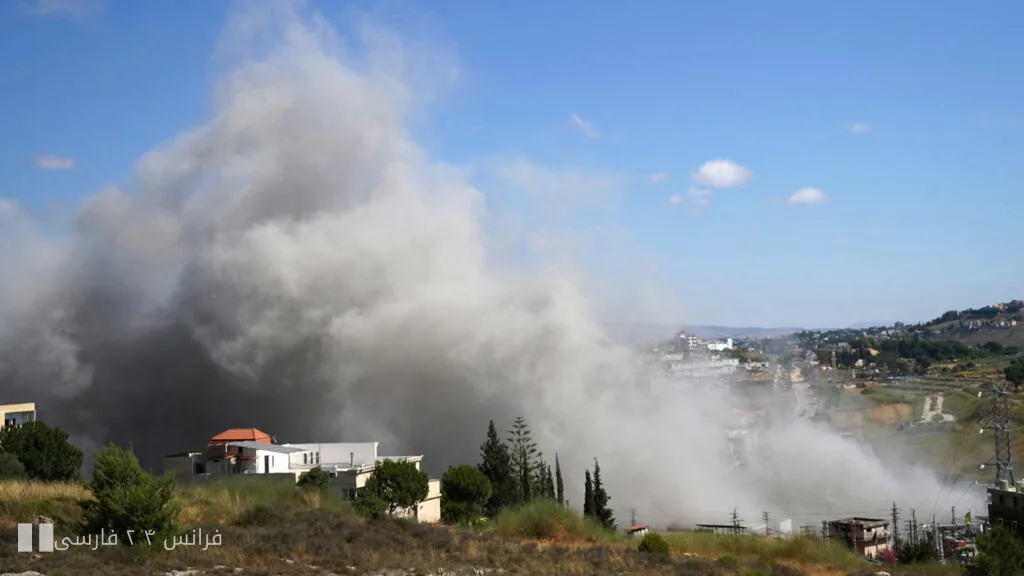
Israel has launched a series of airstrikes in southern Lebanon, seeking to escalate tensions with the Hezbollah group. These strikes, which according to the Lebanese Ministry of Health have left ۱۳ dead, also include women and children and indicate new unrest in this tense region.
Escalation of Attacks After Relative Calm
After several weeks of relative calm, Israel's recent attacks on southern Lebanon once again highlight the high tensions between the country and Hezbollah. Israeli officials have stated that these attacks are in response to a potential violation of a ceasefire by Hezbollah and that the country is targeting Iranian-backed forces.
While Israel firmly believes that Hezbollah must cease its actions, Hezbollah has yet to respond to these attacks. This silence has heightened concerns about the future of the conflict and is likely to lead to increased tensions in the coming days.
Humanitarian Consequences
The killing of this number of civilians, especially women and children, has once again drawn global attention to the human costs of these conflicts. Given the complex political and military situation in the region, many questions arise about the future of peace and security in Lebanon.
Analysts believe that these attacks could lead to increased tensions in the region and impact international relations and Lebanon's security situation. While the people of Lebanon seek security and peace, these attacks only deepen the humanitarian and social crisis.