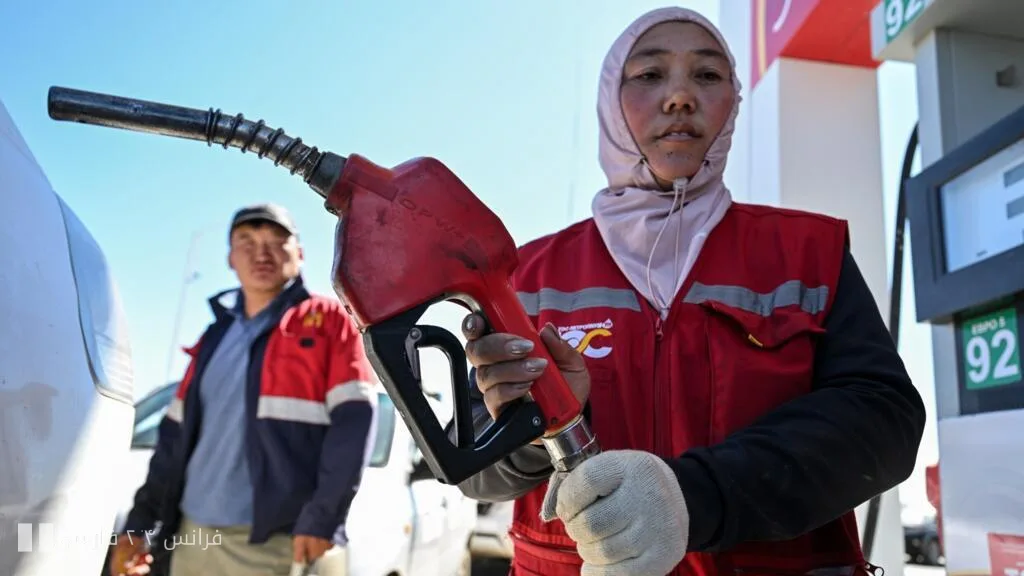
In recent days, Mongolia has witnessed long lines at gas stations, where people wait for hours to receive fuel. The country's dependence on fuel imports from Russia has severely impacted the daily lives of the people and increased public dissatisfaction.
Consequences of Import Dependence
With rising tensions in international relations and economic sanctions, Mongolia is highly vulnerable. Due to rising prices and reduced supply, many citizens are forced to wait long periods for fuel. This situation has not only exacerbated economic problems but has also led to increased social tensions.
Most people in Mongolia are heavily reliant on Russian fuel, and this dependence may soon turn into a serious crisis. While the government is trying to find solutions to this problem, it seems that no short-term solutions will be effective.
Impact on Daily Life
The daily lives of the people have been significantly affected. Despite the fuel shortage, prices are continuously rising, putting more economic pressure on families. In these circumstances, many Mongolians are looking for ways to reduce their expenses, while public dissatisfaction has become a serious issue.
This crisis highlights the structural weaknesses in Mongolia's economy and the country's deep dependence on foreign resources. Although the government is taking immediate actions to manage this crisis, there seems to be a need for a more comprehensive strategy to reduce import dependence and diversify energy sources.