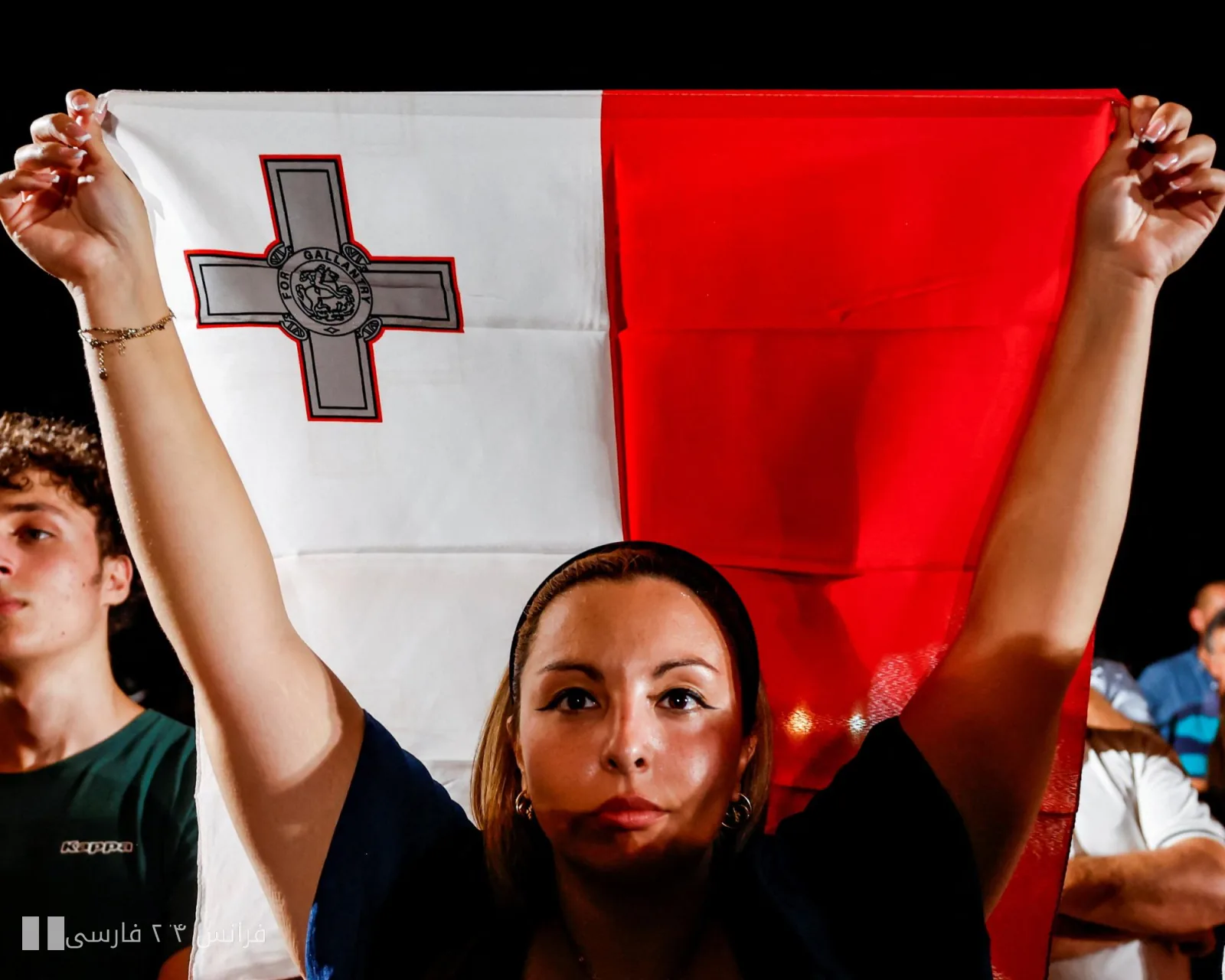
Malta faces a serious threat of major corruption, and the only way to save it is to strengthen the legal system and support for journalists. In this context, Shami Chakrabarti, a member of the House of Lords in Britain and a human rights activist, raised this warning at the start of an important investigation into the judicial failures following the assassination of Daphne Caruana Galizia.
The Impact of Daphne Caruana Galizia's Death on the Media Landscape
Daphne Caruana Galizia, an anti-corruption journalist who was killed in a car explosion in October 2017, was a symbol of courage and commitment to truth in a world filled with corruption and injustice. Her death not only affected the journalism community in Malta but also raised the most concerning questions about the protection of journalists and freedom of expression. Chakrabarti, as a special rapporteur for the Council of Europe, is examining the consequences of this murder and the judicial system's failures in handling this case.
Challenges Facing Journalists and Civil Society
Chakrabarti emphasized that the improper enforcement of laws and inadequate support for journalists, especially in countries like Malta, leads to an unsafe environment for media activities. This situation, in turn, fuels systemic corruption and a lack of transparency in local governments.
She warned that if immediate and effective actions are not taken to strengthen laws and support for journalists, Malta will be at risk of repeating tragic events like the murder of Caruana Galizia. Chakrabarti stressed the necessity of international cooperation in the field of human rights and journalist protection to prevent similar crises from occurring.
Ultimately, it seems that Malta is on the brink of a serious crisis, and if this country cannot quickly improve the necessary laws and protections, the future of journalists and civil society in this land will be uncertain.