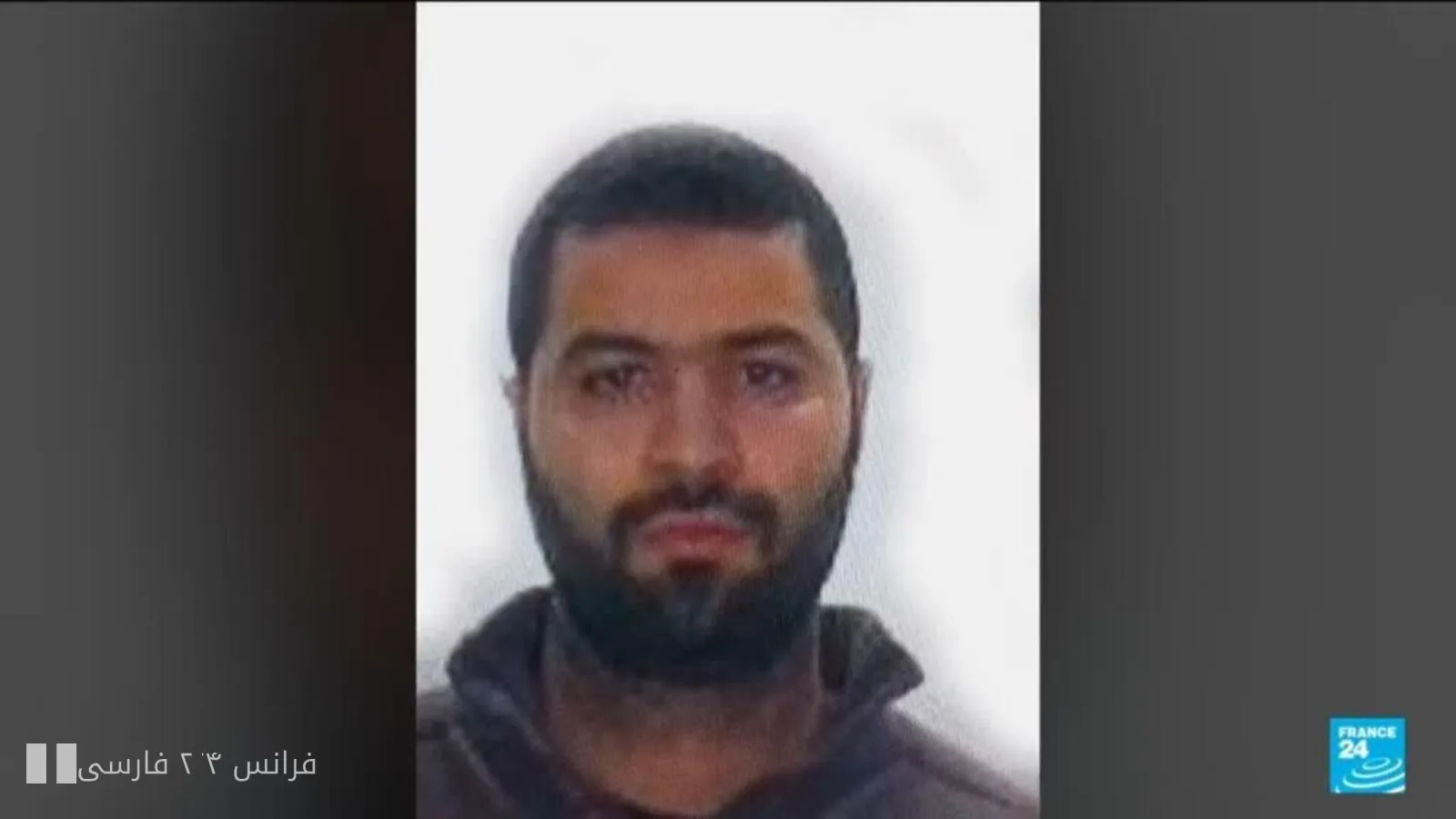
Mohammad Bakali, an individual convicted for his key role in the logistical coordination of the November 13, 2015 terrorist attacks in Paris, may soon be placed under parole conditions. Bakali, who has been sentenced to 30 years in prison in France and must serve at least 20 years of this sentence, is currently awaiting the decision of the judicial authorities in Belgium regarding his parole status.
The Case Progress of Mohammad Bakali
Bakali is recognized as one of the main defendants in the Paris attacks, which resulted in the deaths of 130 people and injuries to over 400 others. He was convicted in 2020 in a French court on various charges, including membership in a terrorist organization and logistical coordination for these attacks. Despite the heavy conviction, he is now seeking parole.
Read more: Amnesty International: Iran has committed 'crimes against humanity' in suppressing the 2022 protests
The decision regarding Bakali's parole will be made on September 29. This decision has been raised as a sensitive issue in Belgium and France, provoking strong reactions from victims and their families. Many are concerned that Bakali's parole may imply a reduction in punishment for actions that are widely recognized as crimes against humanity.
Reactions to the Possibility of Parole
Judicial authorities in Belgium and France are paying close attention to this matter, and statements from prosecutors indicate that they are in no way in favor of Bakali's parole. They believe that Bakali's release could have serious consequences for public safety and could be seen as a disrespect to the victims and their families.
On the other hand, human rights advocates argue that every individual has the right to parole under specific conditions and that the human aspects of this case should be considered. They believe that Bakali could be placed under electronic monitoring and not be separated from society, while still gaining some of his rights.
Given the sensitivity of this issue, it is expected that the final decision of the Belgian authorities on September 29 will receive significant media and public attention. This decision could have profound effects on the judicial process and security policies in Europe.
Read more: The Trump administration plans to sell 40,000 one-ton bombs to Israel · Macron emphasized the importance of defense and security cooperation with Iraq