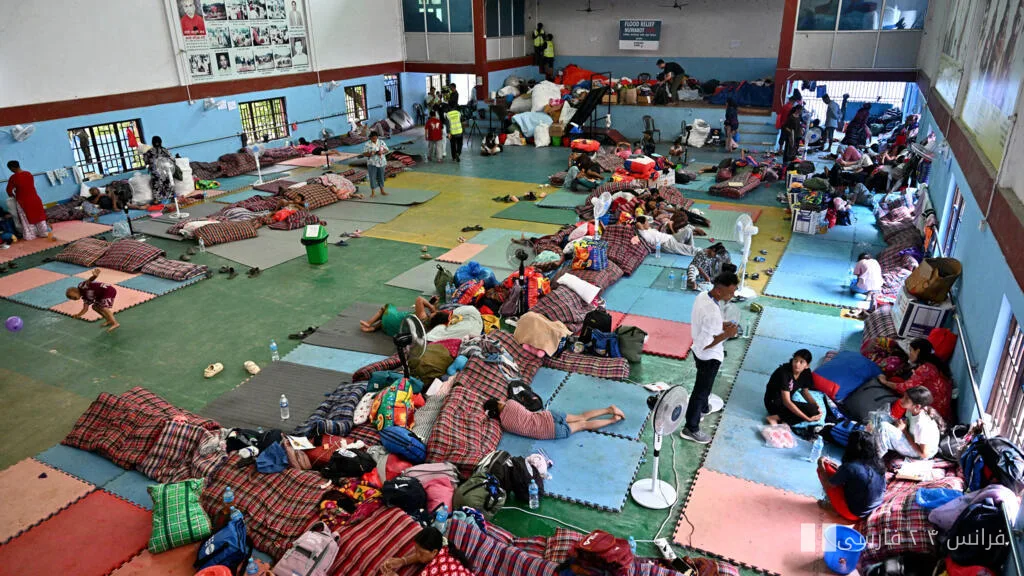
A devastating disaster on the border of Nepal and China has claimed at least ۱,۳۷۲ lives and left over ۵,۵۰۰ missing. However, amidst this darkness, hopes are also beginning to form.
Rescue Challenges
While search and rescue operations continue, geographical conditions, bad weather, and lack of communication have made it difficult for rescuers. The Nepalese Minister of Energy has announced that the search in the tunnels of hydropower plants is still ongoing, and it is hoped that more than ۱۰۰ workers may be alive there.
On Saturday, a Chinese man and a ۶۴-year-old Nepalese woman were rescued from under the rubble. These rescues, according to the Prime Minister of Nepal, have brought "hope for the entire nation."
Future Outlook
The Nepalese Foreign Minister referred to this disaster as the "Himalayan tsunami" and warned that the reconstruction costs could reach billions of dollars. The United Nations has also announced a $۵۰ million aid package to assist over ۸۴,۰۰۰ people, highlighting the scale of the devastation.
As morgues fill up, Nepal has been forced to bury hundreds of bodies in mass graves. Only about ۱۰۰ bodies have been identified and returned to families. The country will observe a national day of mourning on Monday, ۱۳ days after the disaster.
Although the exact cause of the glacier collapse is not clear, climate change has accelerated the melting of ice worldwide, increasing the risk of such disasters. In Nepal, ۱,۳۴۱ bodies have been found so far, and about ۴,۹۹۶ people are missing, including around ۸۰۰ foreigners.