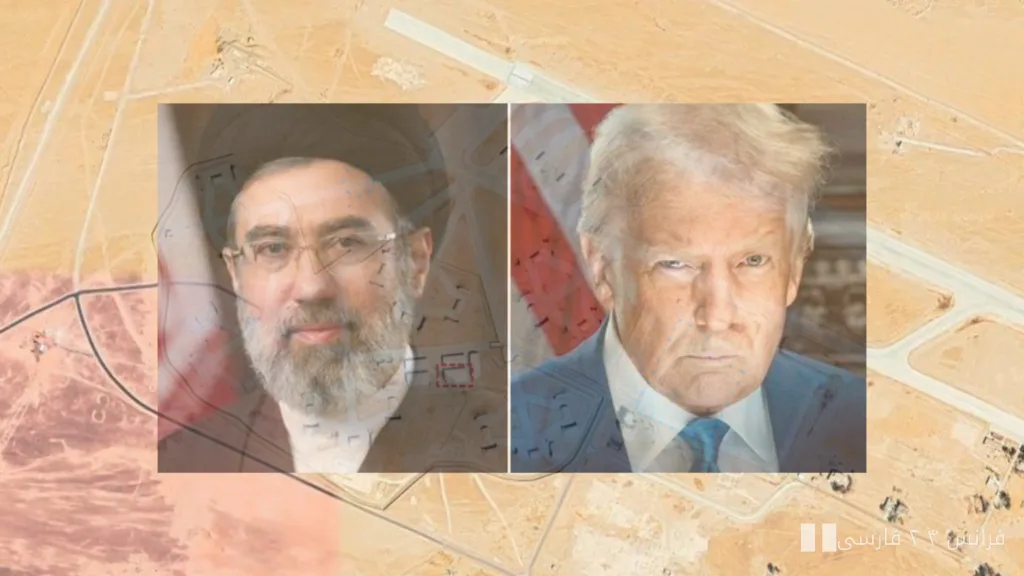
In recent days, tensions between Iran and the United States have significantly increased. US military attacks on Iranian positions have resumed, and Tehran has reacted to these developments. In this context, the main question is what options Iran has for retaliating against these attacks and whether it can withstand Washington's economic pressures.
Militarism Against Militarism
Iran has always been recognized as a key player in the Middle East, and in the event of escalating conflicts, it may resort to military actions. Targeting US assets in neighboring countries, particularly in Jordan, Bahrain, Kuwait, and Iraq, demonstrates Tehran's resolve to defend its interests. These actions could lead to increased tensions and reciprocal reactions from Washington.
Economy Under Pressure, Yet Resilient
Economic sanctions, especially in recent years, have put pressure on Iran's economy. But can these pressures force Iran to capitulate? In fact, Iran can navigate this crisis to some extent by utilizing domestic resources and increasing non-oil exports. Given the experiences of recent years, Tehran will likely attempt to reduce economic pressures by strengthening economic relations with neighboring countries and other global powers, moving towards sustainable development.
Iran can also leverage its soft power and diplomatic tools. By forming new alliances and strengthening ties with countries affected by sanctions, Tehran can create a united front against the United States.
Overall, Iran's options for retaliating against attacks and pressures are very diverse and complex. The main question is whether Tehran can respond to these challenges effectively and at the lowest cost. Only time will tell if Iran is capable of standing firm against these pressures or not.