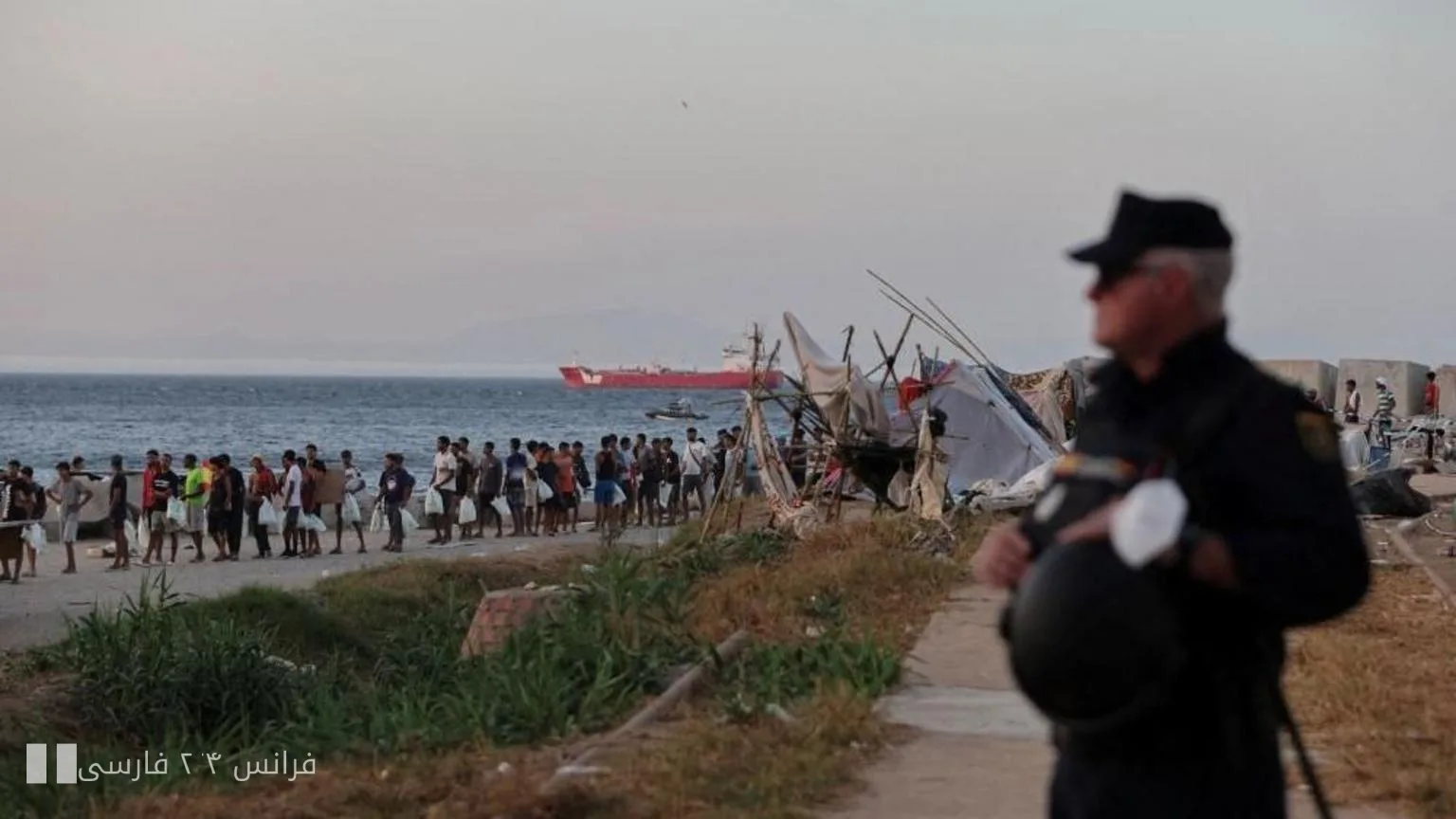
Yesterday, a wave of migrants to Ceuta, a Spanish city in North Africa, raised serious international concerns. With tens of thousands arriving in the area, it became clear that local officials had received warnings about this event in advance. Newly released documents show that Spanish and Moroccan officials were informed via social media about the migrants' plans for mass crossings to Ceuta the day before this influx.
The Role of Social Media in the Migration Crisis
This information may indicate weaknesses in prediction and crisis management systems. Despite receiving these warnings, it seems that adequate measures were not taken to prevent such a large-scale influx. This situation has not only exacerbated the humanitarian crisis at the borders but has also added to the political and social challenges for Spain and Morocco.
In recent days, heartbreaking images of migrants attempting to cross the border into Ceuta have been widely circulated, stirring public sentiment regarding the migration crisis. This crisis has not only affected the social conditions of these two countries but also fuels political issues at the European level.
Challenges Facing Officials
Spanish and Moroccan officials are now facing serious challenges in managing this crisis. Questions about why appropriate measures were not taken to address this influx have been raised sharply. Does the fact that warnings were received in time, yet no effective action was taken, indicate inefficiency in immigration policies?
Given this crisis, the future of migration to Ceuta and its impact on Spain-Morocco relations is now under serious scrutiny. This situation could lead to further challenges in the future, and it remains to be seen what measures officials will consider to manage this crisis.