Throughout the summer, the Trump administration was consistently trying to prevent its war with Iran from activating other fault lines in the Middle East. However, it now seems that tensions on Iran-supported fronts are rapidly escalating.
Increased Military Activities
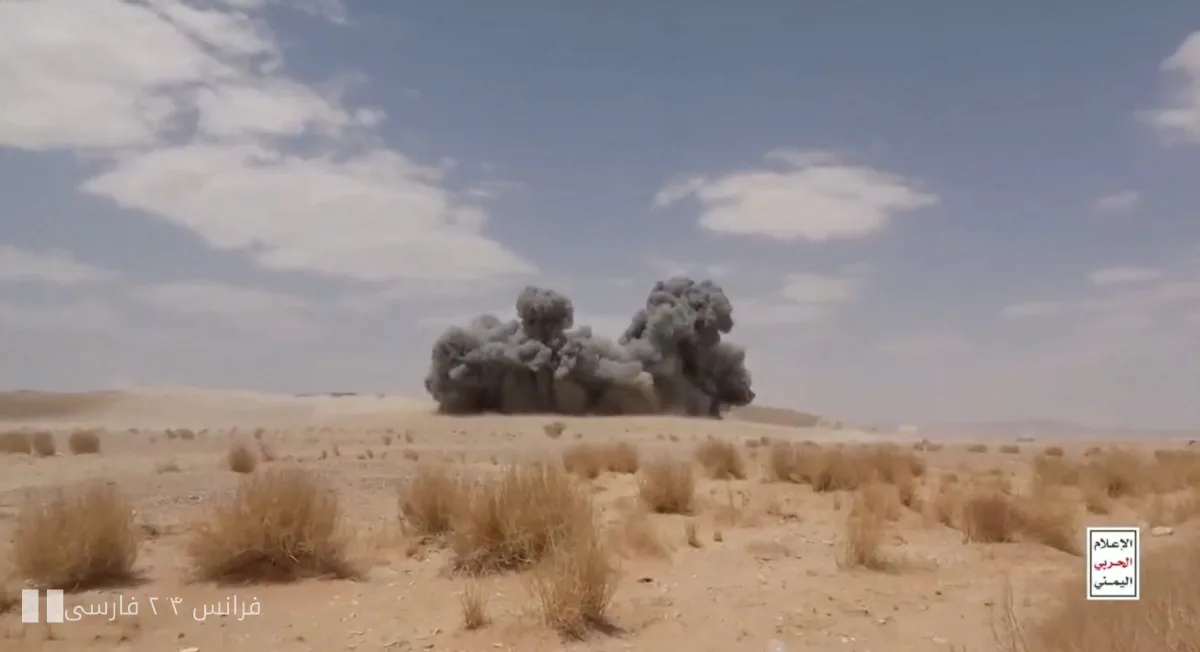
As autumn approaches, the situation in Yemen and the Saudi-Houthi fronts has clearly changed. This front, which had been relatively calm for some time, is gradually becoming the center of attention. This situation will have profound effects not only on Yemen but on the entire region.
Alongside these developments, Washington continues to exert pressure on Tehran. This pressure includes new sanctions and actions to reduce Iran's military capabilities. In particular, the focus on Iran's nuclear program and military activities in the Persian Gulf is among these actions.
Possible Consequences
Analysts believe that the increase in tensions could lead to an escalation of conflicts in the region. New concerns have arisen regarding the possibility of military confrontations with the Houthis and other Iran-supported groups. Meanwhile, Saudi Arabia is also seeking to strengthen its positions against potential threats.
As tensions rise, it remains to be seen whether Washington can effectively pressure Iran or if this situation will escalate into a larger crisis in the Middle East. It seems that key players in this arena are looking for new solutions and effective strategies to tackle the new challenges.