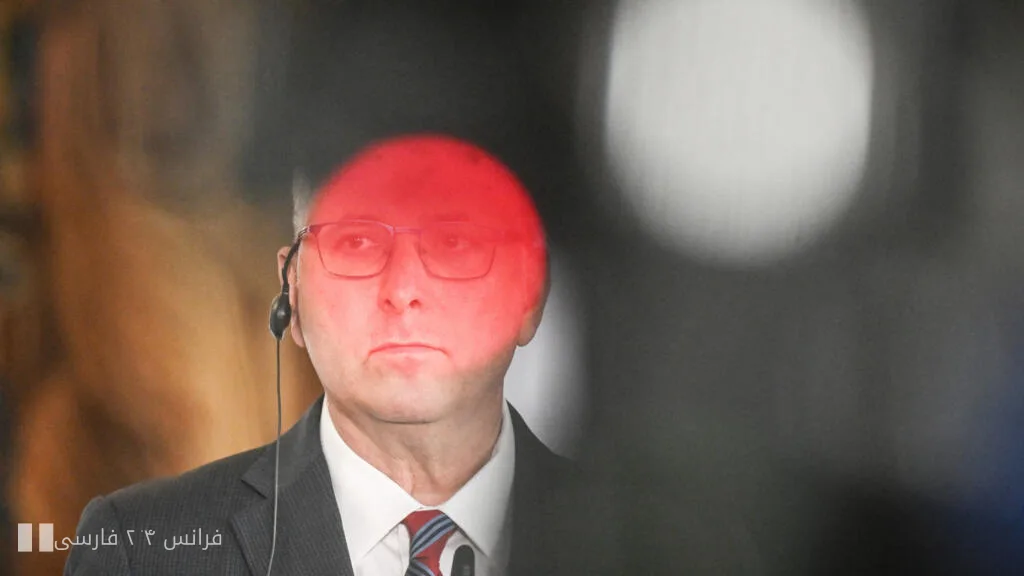
In a significant shift, Slovenia under the leadership of nationalist Prime Minister Janez Janša is reviving its diplomatic relations with Israel. The country is moving towards serious changes in its policies by opening its first embassy in Ljubljana. This action, which will take place on Wednesday with the presence of the Israeli Foreign Minister, is in stark contrast to the policies of the previous government, which strongly criticized Israel's military operations in Gaza.
Remarkable Changes in Foreign Policy
Janša's government has been praised by Israeli officials for returning to close relations with Israel. He has recently made key decisions, including lifting the ban on imports from Israeli settlements and also removing the ban on the entry of Benjamin Netanyahu, the Prime Minister of Israel, and two of his ministers to Slovenia. These developments come at a time when some countries, like the United Kingdom, have recently banned imports from these settlements.
Janša has stated that his goal with these changes is to "normalize Slovenia's foreign policy" and rectify the damage done to the country's foreign policies during the previous premiership. He aims to improve the living conditions of the people of Slovenia and says that these operational policies can help achieve this goal.
Domestic Opposition and Criticism
However, these changes have faced negative reactions from many sectors of Slovenian society. Polls show that ۵۶ percent of the country's people oppose closer relations with Israel. Human rights groups have also protested against the opening of the new embassy, and opposition parties have described this action as a "return of favor" to Israel.
These developments occur amid rumors of foreign interference in Slovenia's recent elections and connections between Janša's party and Israeli companies such as Black Cube. These issues have led some analysts to portray Janša as the "Trojan Horse" of the United States and Israel in the European Union.
According to analysts, this situation could have serious repercussions for Slovenia and could become a tool in the hands of Israel. These developments reflect the new challenges Slovenia faces in dealing with global policies and domestic pressures.