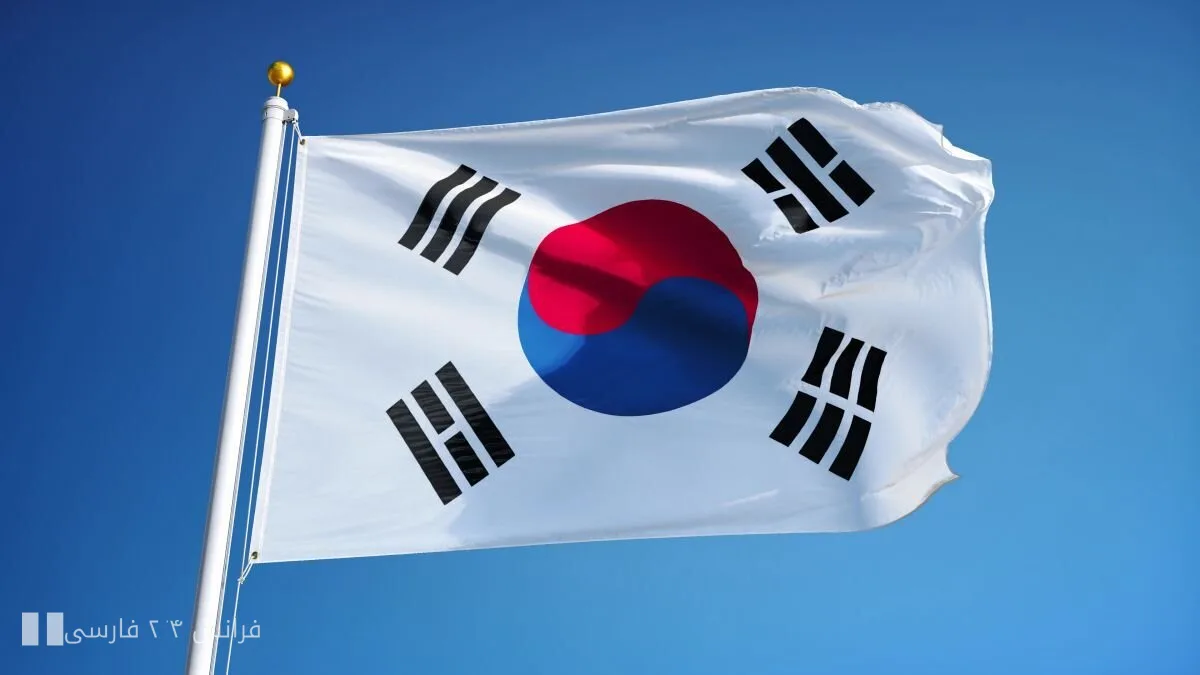
The Strait of Hormuz, one of the most important and vital waterways in the world, has recently come under the spotlight in South Korea. This waterway, which supplied 61% of the country's crude oil imports and 54% of its condensate last year, is recognized as a strategic point in South Korea's energy policies.
Discussions on Energy Security
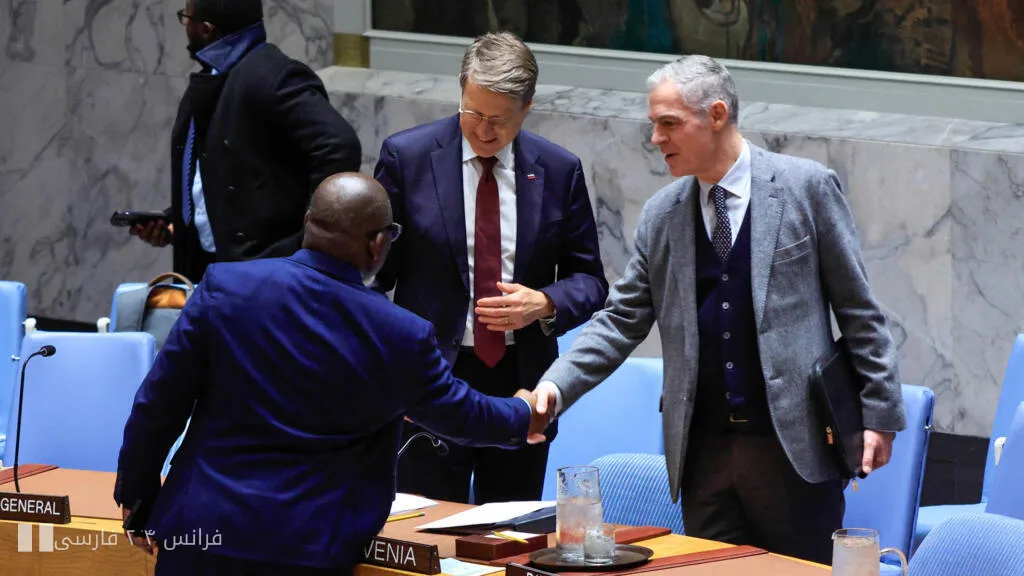
Following recent warnings from Iran, South Korean officials have initiated discussions regarding the security situation of the Strait of Hormuz. These discussions aim to ensure the security of the country's energy routes and protect economic interests against political and military fluctuations. However, South Korea has clearly stated that military deployment in the region is not on the agenda.
This stance clearly indicates that South Korea is seeking to maintain a balance in its relations with Iran and other countries in the region. While the Strait of Hormuz is recognized as a key economic route, South Korea is striving to reduce tensions and continue securing its energy supply.
Challenges and Opportunities
As tensions in the Middle East have increased, South Korea understands that it must exercise greater caution in its decision-making. The country is looking for solutions to secure energy without getting involved in military conflicts. Given that the Strait of Hormuz is one of the main global oil transit routes, South Korea is working to ensure its energy security through diplomacy and dialogue.
Despite the challenges ahead, South Korea appears to be pursuing its interests in this strategic region with a cautious and diplomacy-based approach.