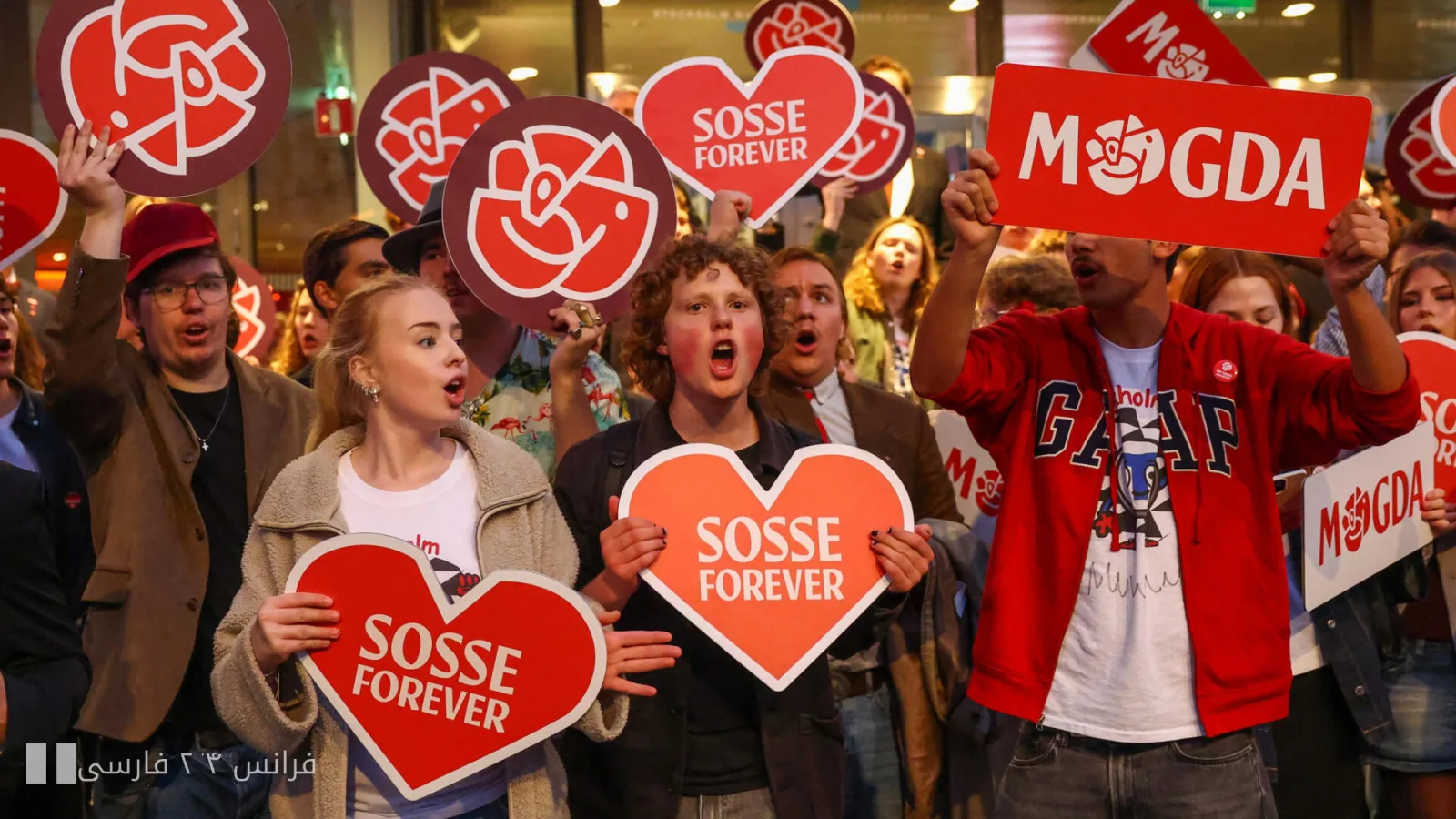
The Swedish elections on Sunday were extremely close and competitive, with the Center-Left party led by Magdalena Andersson managing to secure a narrow lead over the right-wing coalition led by Ulf Kristersson in the initial estimates. With half of the votes counted, the results show 49.3% of the votes for the opposition parties and 49.1% for the right-wing coalition. This situation is particularly noteworthy as the election results indicate a decrease in the power of the far right in Sweden.
Analysis of Initial Election Results
The initial election results indicate a close competition between the Center-Left and the right. After several years of increasing influence of the far right in Sweden, this election has specifically impacted the political landscape of the country. Magdalena Andersson, the leader of the Social Democratic Party, seems to have garnered the necessary support based on the results obtained, achieving a slight advantage over Ulf Kristersson and the right-wing coalition.
Read more: Malta on the Brink of a Corruption Crisis; Journalists' Voices Will Not Be Silenced
Political and Social Implications
The results of this election could have profound implications for Sweden's domestic and foreign policies. The decrease in the power of the far right could lead to the formation of a center-left government with new approaches to social and economic issues. These changes may result in the establishment of new policies regarding immigration, human rights, and climate change. Additionally, this election reflects the Swedish society's inclination to uphold democratic and humanitarian values, which may lead to positive changes at the social level.
Read more: Wokik Announces Surprise Election After Two Years of Protests · Increase in Tensions in Iran-Backed Fronts as Washington Increases Pressure on Tehran