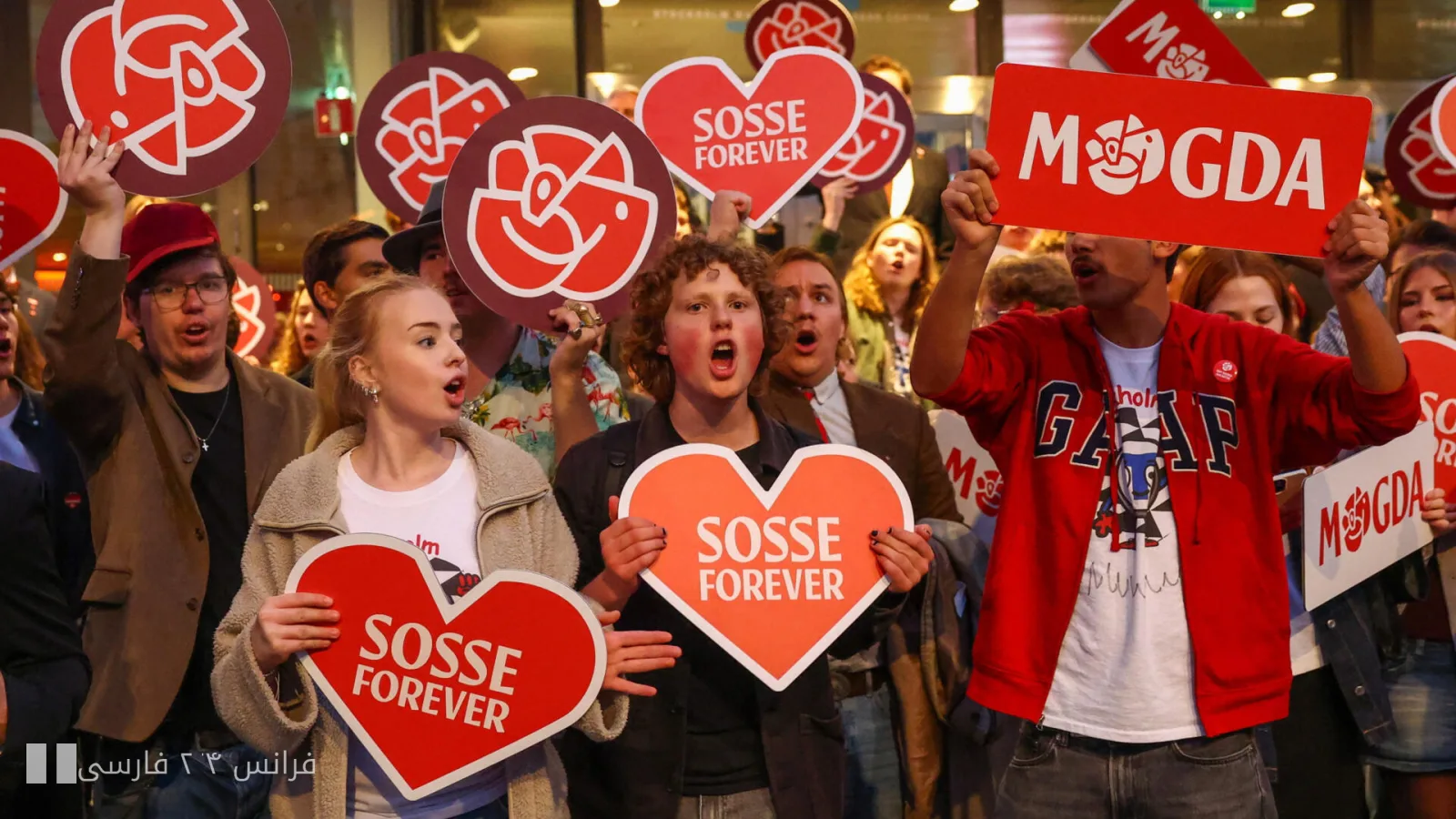
Sweden is facing political uncertainty on Monday, as the results of the recent elections show that the left-wing opposition is facing a narrow and unclear lead. This election, recognized as one of the most competitive in contemporary Swedish history, seems likely to lead to changes in the country's political structure.
Election Results and Future Challenges
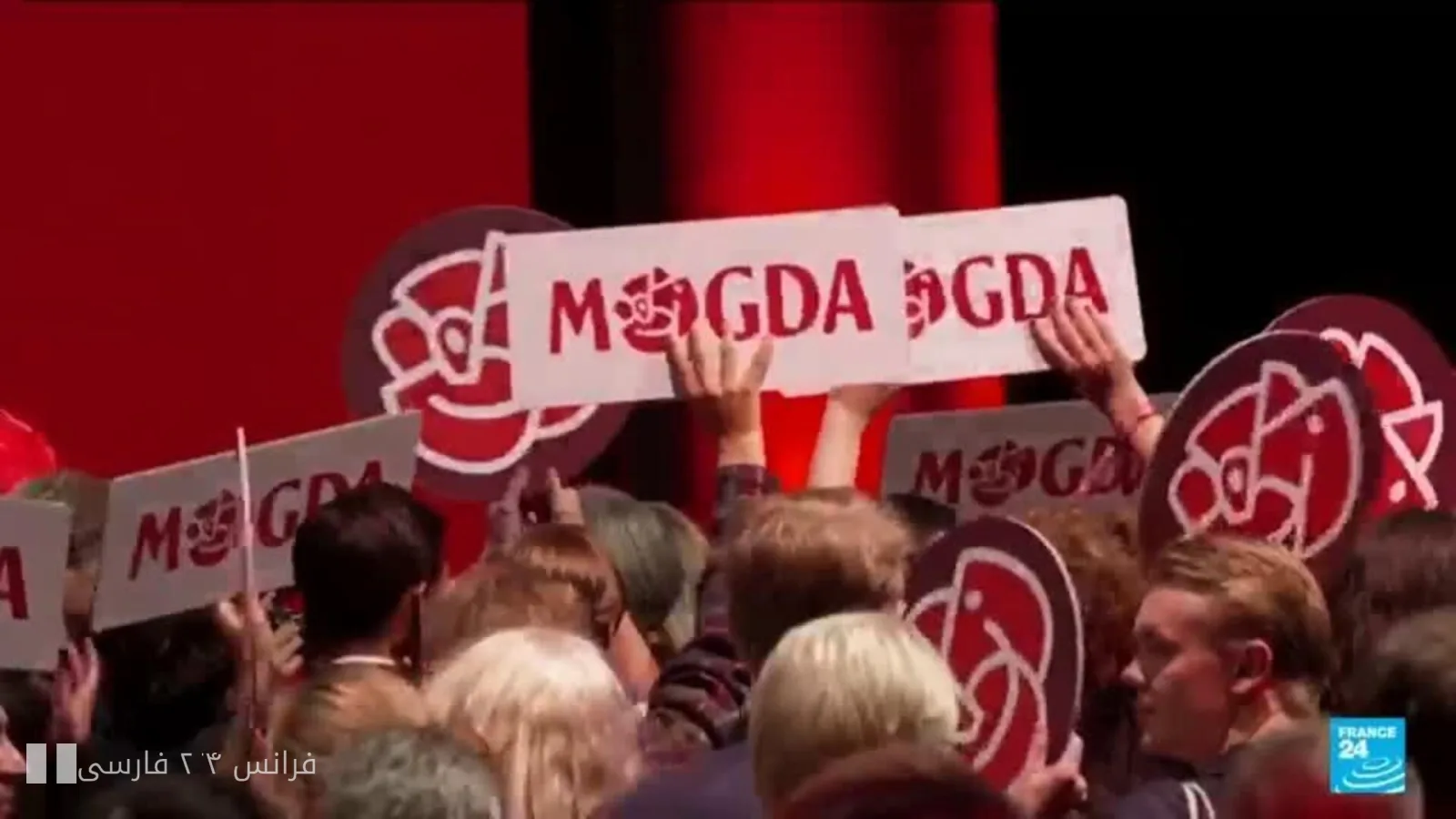
Initial results indicate that left-wing parties, including the Social Democratic Party, have been declared winners of this election by securing a percentage of the votes. Meanwhile, right-wing parties, particularly the Sweden Democrats, have experienced a decline in votes for the first time in 16 years. This shift in the political landscape is a sign of public dissatisfaction with current policies and a desire for change in government approaches.
Read more: Controversial Victory of Extremists in Germany: Is History Repeating Itself?
Political and Social Implications
The decline in votes for the Sweden Democrats could mean a change in future policies and possibly closer cooperation among left-wing parties. At the same time, this situation may also lead to increased tensions in parliament and greater fluctuations in Sweden's domestic policies. Analysts believe that these changes could impact Sweden's relations with neighboring countries and the European Union.
The new Swedish government may face serious challenges in economic, social, and environmental areas. In particular, issues related to immigration and social integration will be at the forefront. Polls indicate that the recent elections not only reflect changes in political votes but also signify deeper changes in the country's social and cultural structure.
The Role of Parties and Sweden's Political Future
The Social Democratic Party, as one of the main parties, may seek to form a new coalition by garnering support from other parties. Meanwhile, the right-wing Sweden Democrats need to reassess their strategies to regain power. This situation could signify the emergence of a new era of political competition in Sweden, where parties must respond to the changing needs and demands of society.
Ultimately, Sweden's political future depends on the interactions among parties and their ability to respond to existing challenges. Given Sweden's historical and cultural backgrounds, the country is likely to undergo deeper changes in its domestic and foreign policies.
Read more: Increasing Threat from Russia; Europe Moves Towards Strengthening Defense · Unprecedented Drop in Macron's Popularity to 16%!