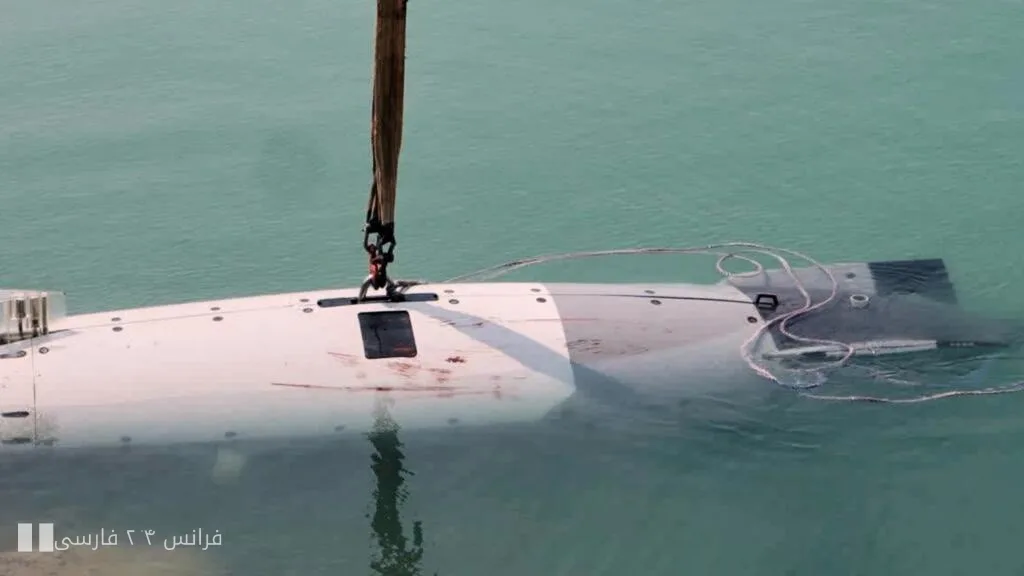
On a tense day in the Persian Gulf, U.S. military forces attacked five Iranian tankers on Tuesday, September ۱۷. This action was in response to two ballistic missile attacks by the Revolutionary Guard on a U.S. Navy ship. Such clashes indicate an increase in tensions in the region and the likelihood of further conflicts.
Retaliatory Attacks and Increasing Risks
The Revolutionary Guard also announced that it had targeted two American vessels and eight other tankers. These developments quickly resonated in the media and international circles, raising concerns about the potential for a broader military confrontation. It appears that both sides are preparing to respond to each other, and this issue could lead to a larger crisis.
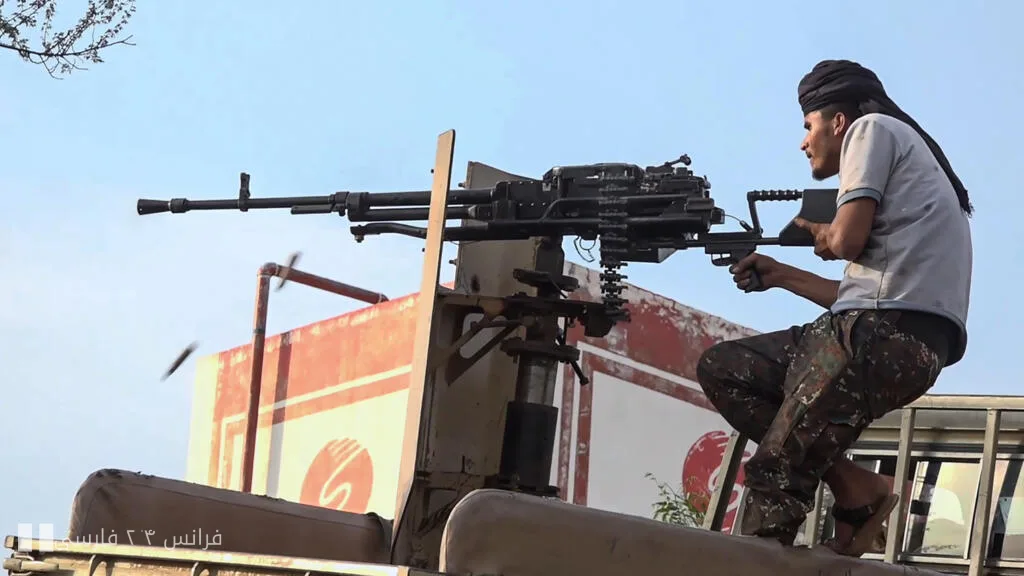
Meanwhile, Saudi Arabian air forces also attacked Houthi positions in Yemen. This indicates the simultaneous occurrence of multiple points of tension in the Middle East, which could complicate the situation further. Given recent events, many analysts believe that the situation will spiral out of control and that these conflicts may escalate into a full-scale war.
Economic and Political Consequences
As tensions in the Persian Gulf intensify, concerns about the economic impacts of these conflicts on the oil market and global trade have also increased. Iran and the U.S., as key players in this area, can have profound effects on oil prices and global energy security. This situation will impact not only the national security of these countries but also global economic stability.
Ultimately, it remains to be seen whether these developments will lead to a diplomatic agreement or if tensions will escalate further into military confrontations. What is certain is that the Persian Gulf has once again become a focal point of international tensions.