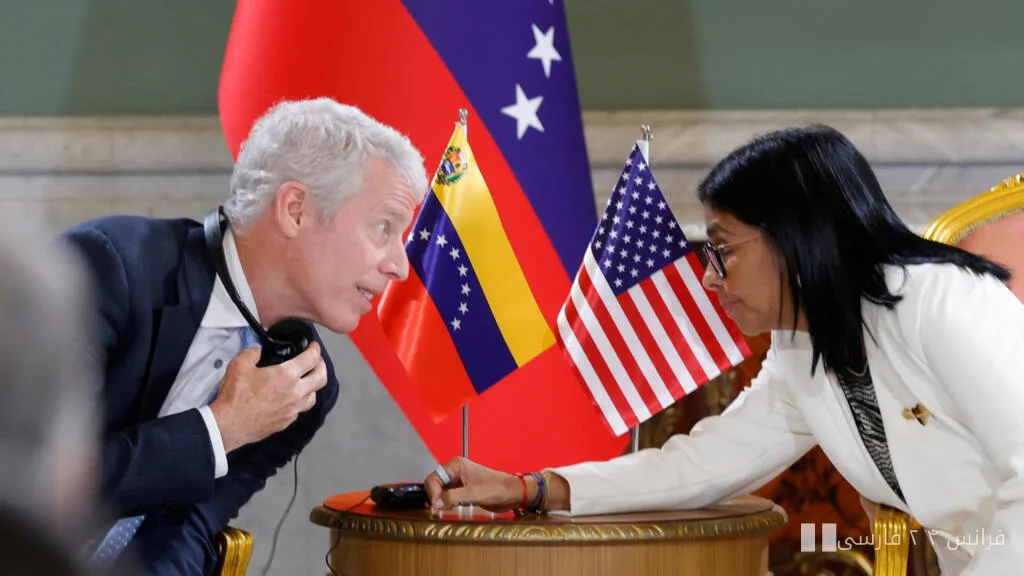
In a controversial move that could change the equations of the global oil market, major oil companies including "Chevron" and Italy's "Eni" have recently signed agreements worth "tens of billions of dollars" with Venezuela. These agreements were finalized during a recent visit by a U.S. delegation led by the Secretary of Energy to Caracas, where intensive negotiations took place with Venezuela's interim President, "Delcy Rodríguez."
Historic or Crisis-Inducing?
These agreements are significant not only economically but also politically. Venezuela, a country that has been isolated for years due to economic and political crises, can now return to the global stage with such collaborations. But can these relations help bring transparency and progress to the country, or do they exacerbate the crises?
The U.S. government aims to use these collaborations to bring Venezuela's oil resources back to global markets and somewhat protect the country from the pressures of sanctions. However, there are concerns about the potential misuse of these resources and their unintended environmental impacts.
Future Outlook
These agreements could lead to the creation of new jobs and strengthen Venezuela's economy, but at the same time, they may increase tensions in the region. Can Venezuela capitalize on these economic opportunities, or will it lose them like in the past?
In any case, these developments represent a fundamental shift in international energy policies and Venezuela's role in them. Given the country's rich oil resources, these agreements could become a turning point for the global oil market while also bringing about complex political developments.