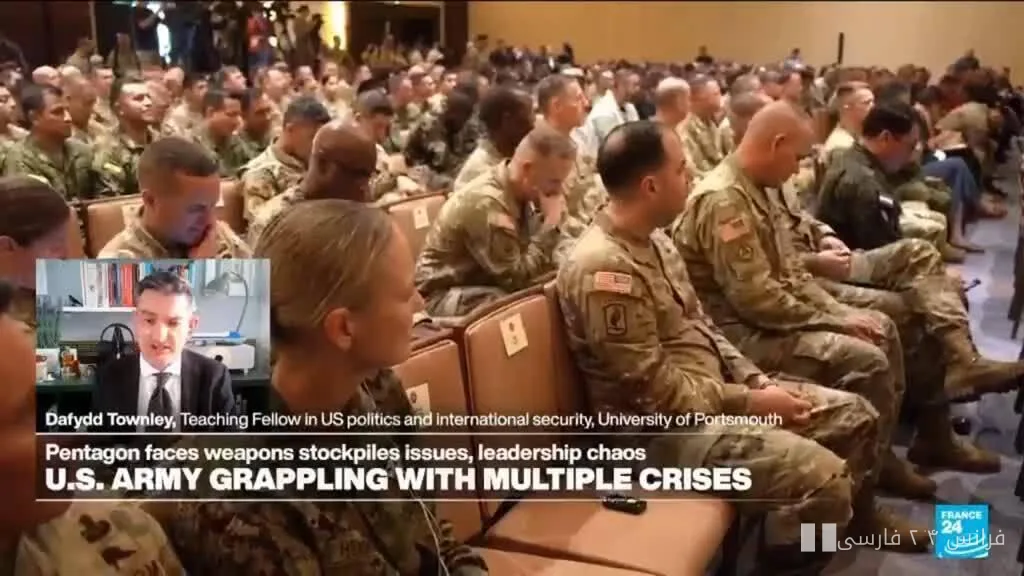
In the heart of the Pentagon, a period of discontent and fear is taking shape, seemingly stemming from issues beyond personal disagreements. Recently, sudden developments in the military and political arenas have sounded alarm bells for those who have long been recognized as the intellectual and operational pillars of the United States Army.
Deep Changes in Institutional Culture
Analysts believe that the removal and marginalization of experienced officials and the decline in the quality of military professional training are gradually changing the institutional culture of the U.S. Army. By prioritizing political loyalty over professional competencies, this trend poses a serious threat to the evaluation of military strategies and political challenges.
As a result, some experts express concern about the future of U.S. military policies, especially as global challenges are on the rise and the need for a strong and efficient military is felt more than ever. In this context, fundamental questions arise about how to manage and lead the military.
Risks Arising from Political Loyalty
Evidence suggests that with the weakening of critical and specialized power within the Department of Defense, the decision-making environment is shifting towards tension and a lack of transparency. These changes could lead to a decrease in military effectiveness in facing international crises. On the other hand, this issue could lead to feelings of insecurity among military personnel and even a decline in public trust in military institutions.
Ultimately, these developments in the U.S. Department of Defense reflect deeper challenges that will impact not only military policies but the entire political structure of the United States. In a world where security and stability are severely at risk, these changes could have unpredictable consequences.