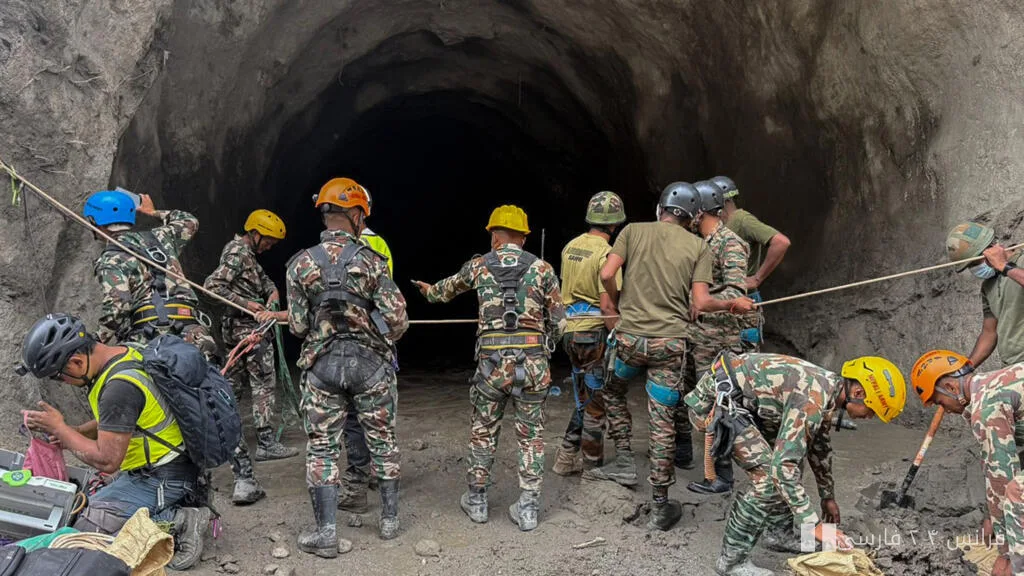
Following a devastating flood in Nepal, rescue teams are still trying to find workers trapped in the extensive tunnels of hydropower plants. This incident, which occurred last week, not only endangered the lives of hundreds but also revealed the depth of the disaster in the heart of the Himalayas.
Deadliest Tunnels
The development of large infrastructure projects in Nepal has always faced serious challenges, but this time the situation is far worse than imagined. Officials have announced that many tunnels are completely blocked due to a mass of mud and debris, and efforts to reopen them have become a major dilemma.
A large number of workers are currently trapped in these tunnels, and hope for their rescue diminishes with each passing day. This situation has not only raised humanitarian concerns but has also posed serious questions about the safety of large projects in Nepal. Despite the round-the-clock efforts of rescuers, the operation is progressing slowly, and with each moment that passes, the chances of the workers surviving in these tunnels decrease.
The Call of Disaster from the Heart of the Himalayas
Many families are waiting for good news during these anxious days. While rescue teams continue their search, the sounds of moans and cries that echo from these deadly tunnels indicate the depth of the disaster that has engulfed Nepal. Could this crisis serve as a wake-up call for future projects?
Ultimately, this incident highlights the urgent need for infrastructure improvement and transparency in large projects. Nepal, as a country with a rich history, is now facing an unprecedented challenge, and this issue may have profound impacts on its future economic and social development.