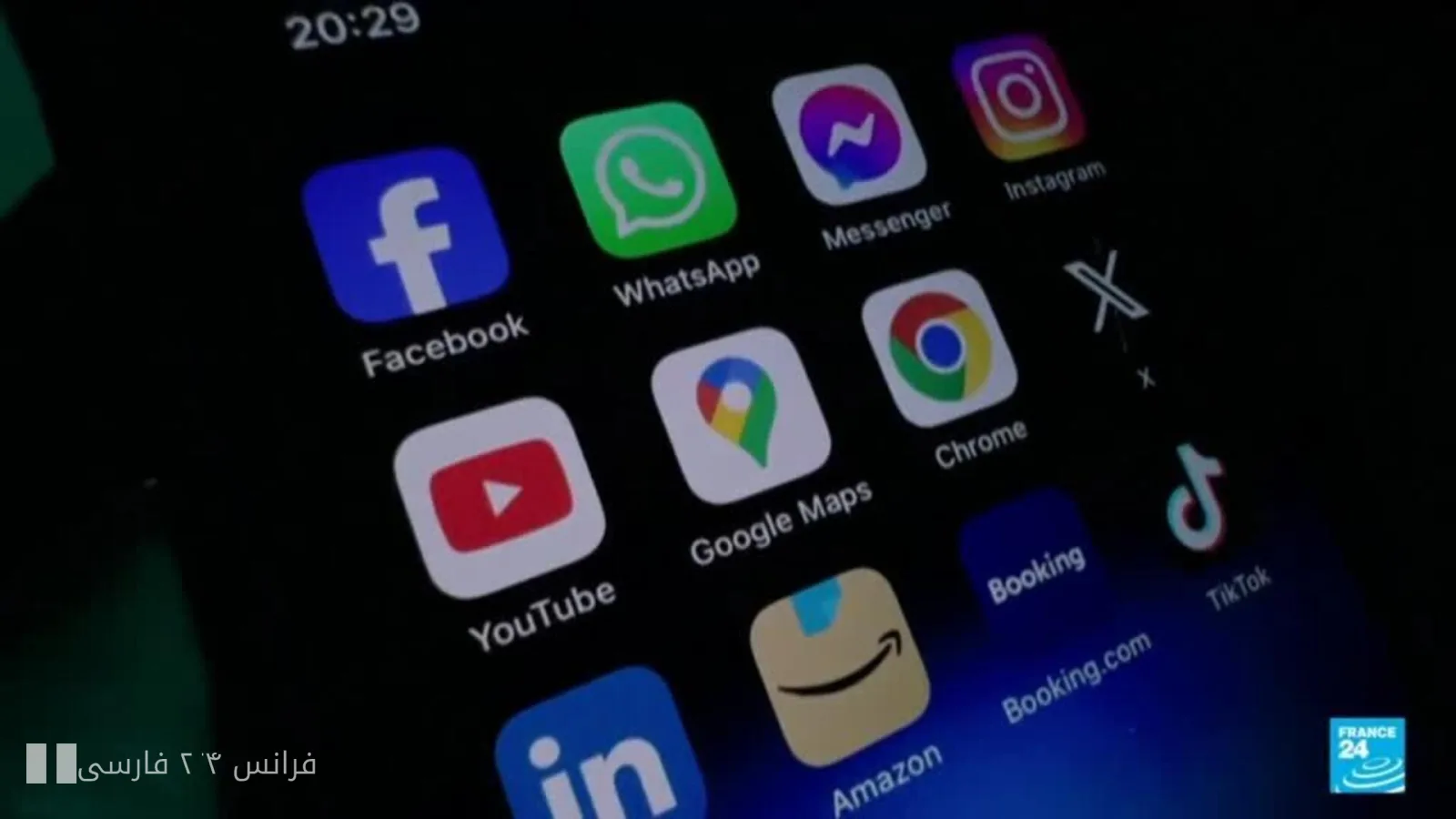
The European Union has taken a significant step by introducing plans to prohibit access to social media for children under 13. This decision comes in response to growing concerns about the negative impacts of these platforms on the mental and social health of children and adolescents. In light of global reactions to this issue, an increasing number of countries are examining and enacting laws to limit children's access to social media.
Reasons for Banning Social Media for Children
Many experts and researchers believe that the use of social media can lead to issues such as depression, anxiety, and sleep disorders in children. These concerns have particularly increased during the COVID-19 pandemic, when children spent more time online due to social restrictions and distancing. For this reason, the European Union has decided to take more decisive action in this area.
Read more: Macron's Space Summit: Europe is Not Ready to Fly Without America
New Proposals from the European Union
The new proposals from the European Union include requiring social media platforms to implement special protective measures for users under 13. These measures may include age restrictions, parental supervision, and providing age-appropriate content. Additionally, this plan aims to establish a legal framework for the establishment and management of these platforms to protect the rights of children and adolescents.
Countries around the world are taking this issue seriously. For example, in the United States, some states are considering laws to limit children's access to social media. Similarly, in Asian countries such as China and South Korea, strict regulations have been enacted for the use of these platforms by individuals under the legal age.
Global Implications
These developments will not only impact the European Union but also global policymaking. Given that social media has become an integral part of daily life, creating restrictions on the use of these platforms may lead to changes in how children interact with technology and media. Furthermore, this issue could raise public awareness about the dangers and challenges of social media use for children.
Ultimately, this plan is seen as a positive step towards protecting children's rights in the digital space. However, there are many challenges in implementing these laws, including the need for international cooperation and close monitoring of social platforms.
Read more: Steven Jones: Data Centers of Artificial Intelligence, Opportunities and Challenges · The European Union Responds to Russia Following the Shooting at the Danish Warship