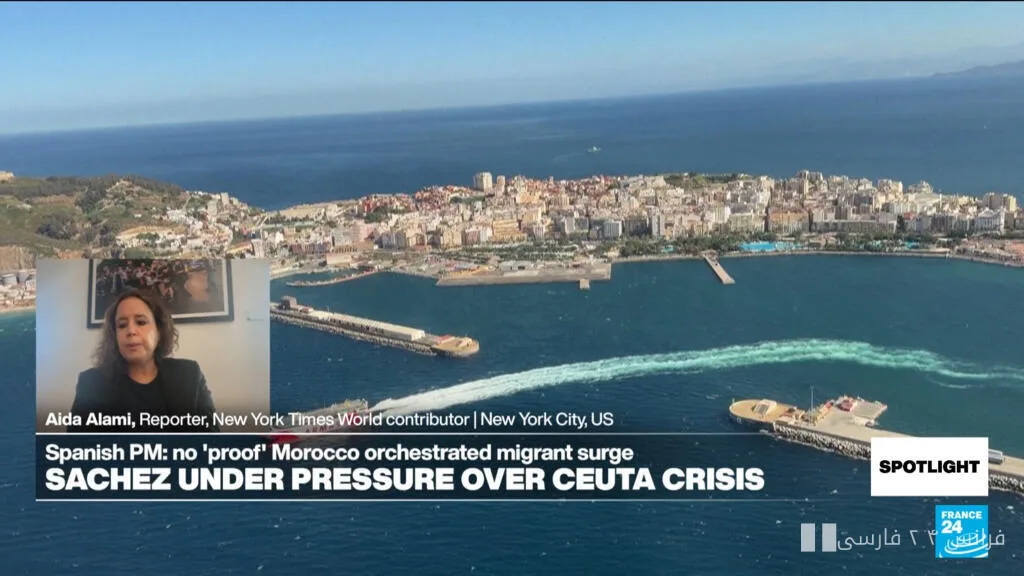
The people of Morocco are in a situation where political repression and the absence of economic opportunities drive them towards migration. In recent years, the borders of this country have become a focal point for migrants seeking a chance for a better life. But is this wave of migrants naturally occurring or is it being orchestrated by the government?
Internal Challenges and External Pressures
Field research at the Moroccan border shows that multiple factors play a role in this phenomenon. While the Moroccan government has traditionally used migration as a tool to manage its relations with Spain, evidence suggests that many of those moving towards the Spanish border are seeking to escape dire economic and social conditions.
With increasing economic and political pressures, those reaching the border are not only looking to cross into Spain but are also in search of a better life, away from corruption and insecurity in their own country.
Analyzing Migration as a Social Reality
Following these developments, questions arise about the role of the Moroccan government in this phenomenon. Is the government deliberately creating conditions for migration, or is this a natural reaction to the existing circumstances? It seems essential to distinguish between evidence and inferences. While some government actions may appear strategic, the reality shows that many migrants are simply seeking to escape their dire situations.
This situation clearly indicates a deep social and economic crisis in Morocco. Public opinion has quickly recognized that the despair stemming from political repression and the lack of job opportunities has compelled people to migrate. Therefore, can the Moroccan government take responsibility for this crisis, or should it seek sustainable solutions?