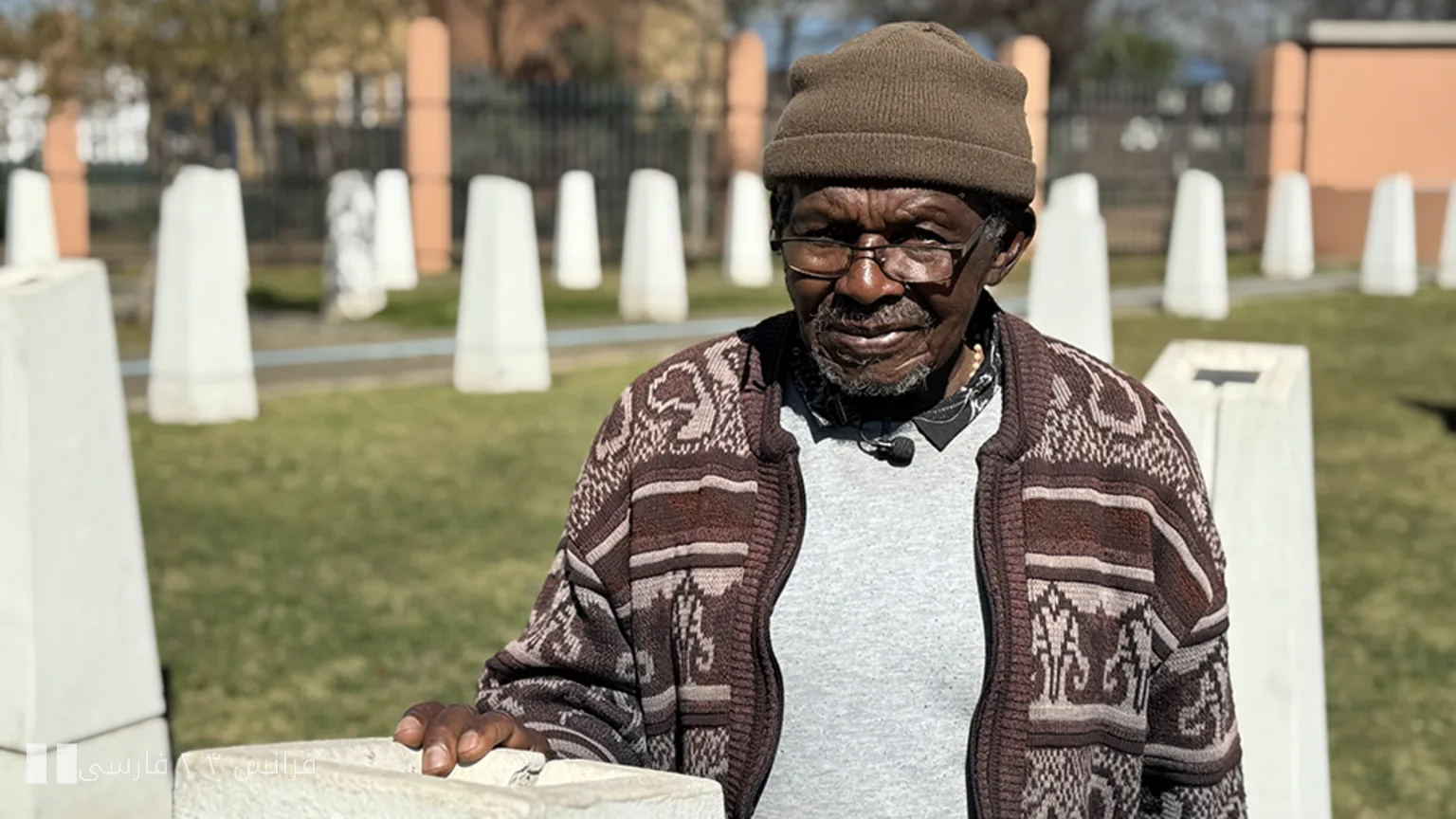
The survivors of the Sharpeville massacre, which occurred in 1960 in South Africa, are beginning a legal battle to claim their rights. In this tragic massacre, at least 69 protesters were killed by security forces, yet more than six decades later, no one has been prosecuted for this crime.
A History of Oppression and Neglect
The Sharpeville massacre is recognized as a pivotal moment in the history of the anti-apartheid struggle in South Africa. On that day, thousands took to the streets to express their protest against the apartheid regime's racist laws. However, instead of listening to the people's voices, security forces opened fire, taking the lives of many innocent protesters.
Now, with the passage of time, the survivors and families of the victims have decided to take legal action. They are demanding compensation and recognition of this massacre as a crime against humanity. These efforts are somewhat symbolic of the people's determination to confront injustices and the neglect of history.
Challenges Ahead
However, the path to this quest for justice will not be easy. Many survivors still face psychological issues stemming from this event, and the lack of documented evidence and credible records could pose a significant obstacle to advancing this case. Nevertheless, they are determined to bring the truths buried beneath the ashes of history to light and to make the victims' voices heard around the world.
This action not only seeks to restore the individual rights of the victims but also symbolizes hope for other nations; hope that they will never forget and always strive for justice.