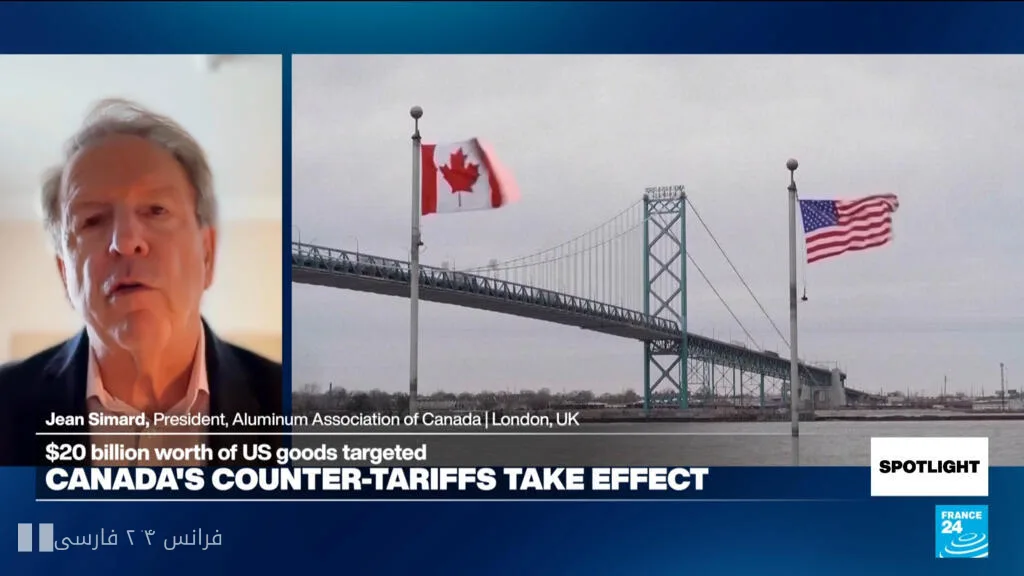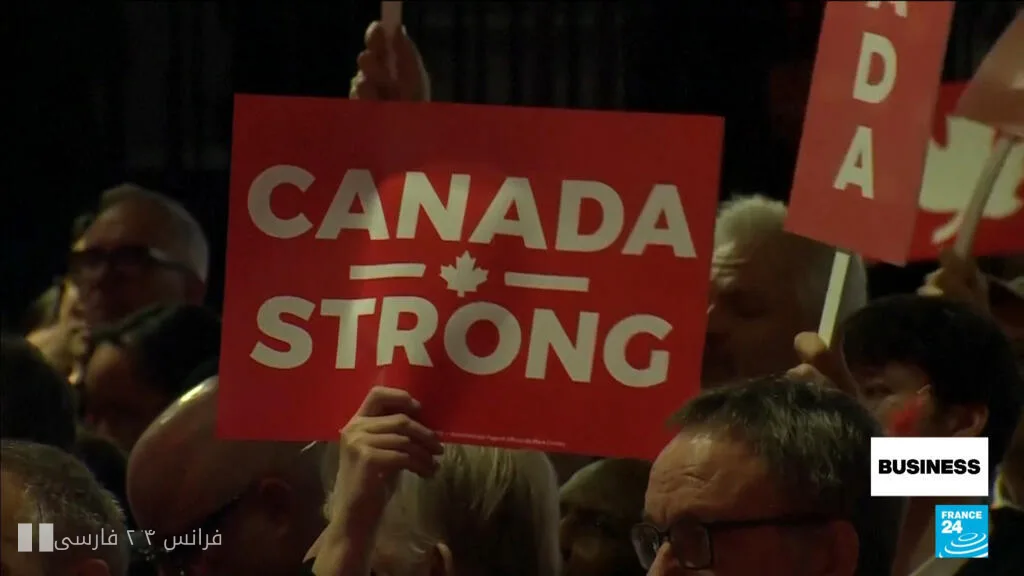
The Prime Minister of Canada, Mark Carney, expressed regret over the collapse of trade negotiations with the United States and emphasized his determination to protect his country's sovereignty. He recently announced that his retaliatory tariffs on $۲۰ billion of American exports have been implemented, viewing this action as a necessary step to safeguard Canada's national interests.
Economic and Political Impacts
Carney stated in a statement, "Unfortunately, our trade negotiations with the United States did not yield results, but we will never cease our efforts to protect the interests of Canadians." These remarks come as trade tensions between the two countries are increasingly escalating, and hopes for improved relations are fading.
In response to U.S. trade policies, Canada, as an independent country, has decided to react to these pressures by imposing new tariffs. These tariffs include various goods such as steel and aluminum, aiming to reduce Canada's dependence on the U.S. market.
Long-term Damages to Cuba
Meanwhile, Cuba has also been severely affected by U.S. economic sanctions, announcing that the economic damages from these sanctions have reached a record $۸ billion. This situation highlights the long-term negative impacts of sanctions on countries under economic pressure.
However, both Canada and Cuba are striving to strengthen their economic positions by adopting independent policies. In this regard, Carney and Cuban officials are seeking ways to minimize the economic damages caused by external pressures.
It seems that these trade and political conflicts could pave the way for significant changes in international and economic relations among countries, shaping an uncertain future for global trade.