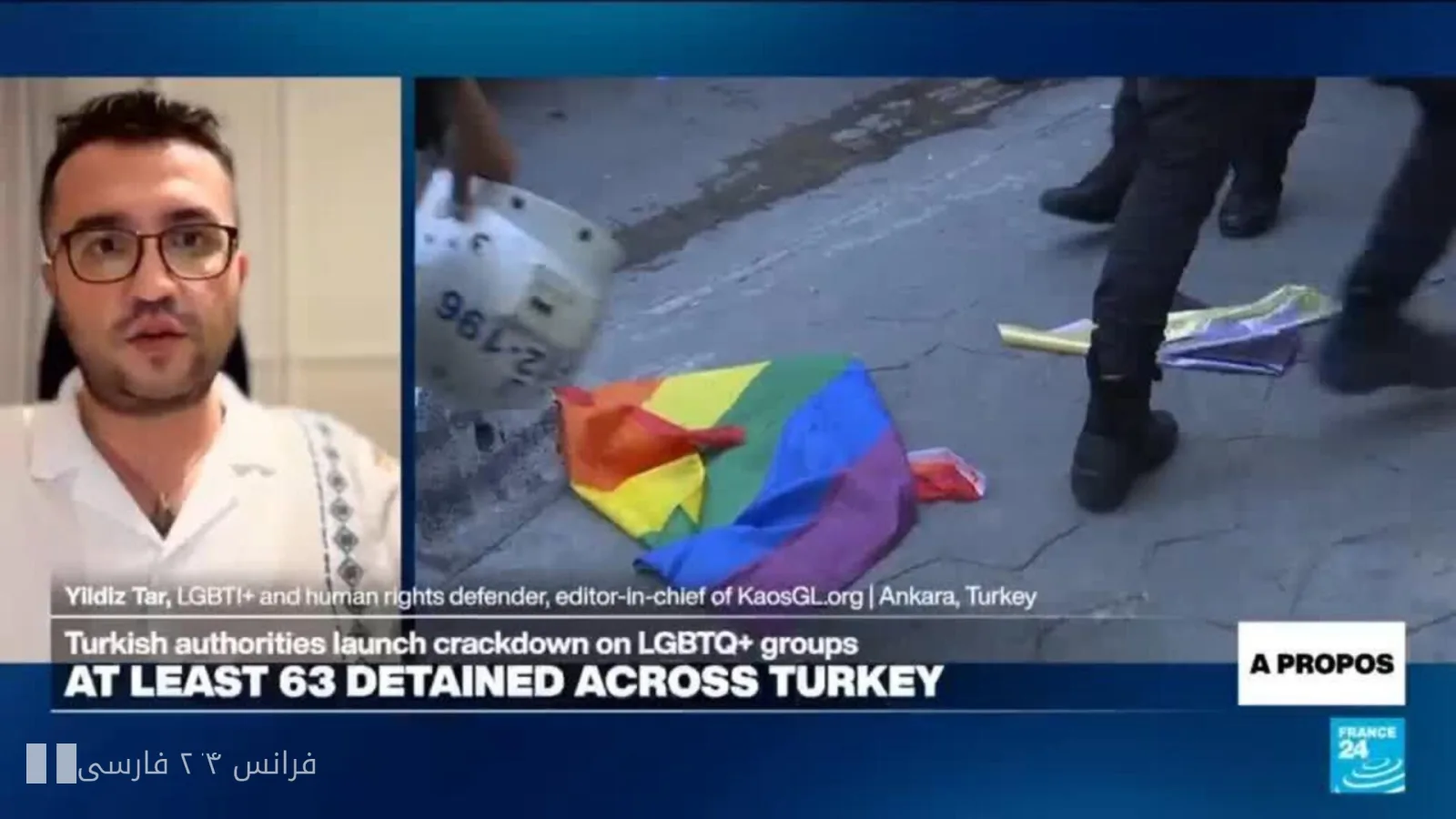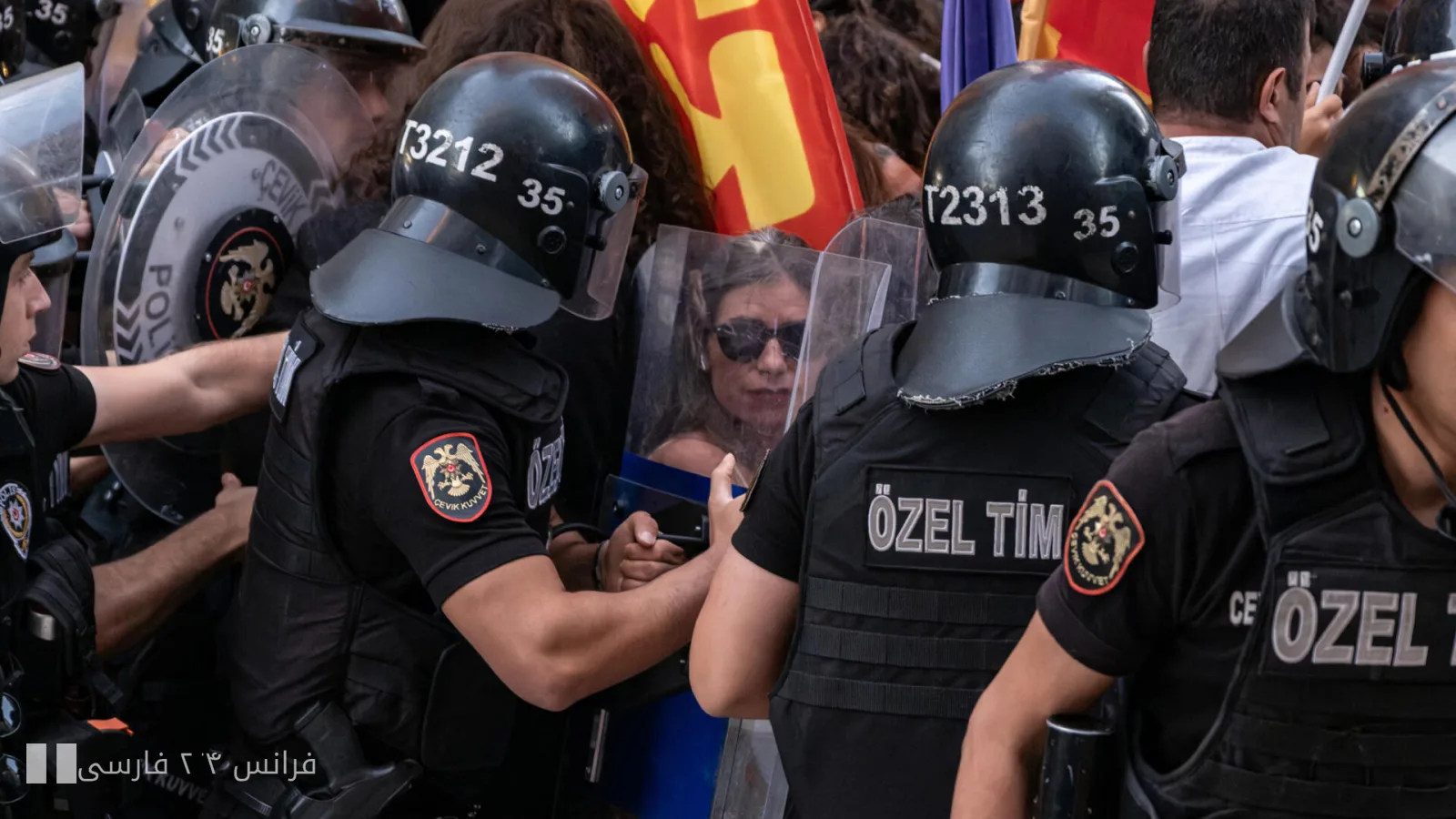
On Monday, Turkish police attacked LGBTQ rights protesters in the city of Izmir and dispersed them with tear gas. This action coincided with a widespread crackdown over the past weekend that resulted in the arrest of dozens across the country. Turkish officials have justified this crackdown as a means of defending traditional family values.
Social and Political Context
In recent years, the LGBTQ community in Turkey has faced numerous challenges. The increase in social and political pressures on this community has been strongly felt, especially after the re-election of Recep Tayyip Erdoğan as president in 2018. Erdoğan and the Justice and Development Party (AKP) have repeatedly referred to traditional values and family, presenting any efforts to promote LGBTQ rights as a threat to these values.
Read more: Victory of far-right in Germany and the 25th anniversary of the September 11 attacks
Reactions to the Crackdown on Protesters
The protests on Monday in Izmir were part of a broader movement that has emerged in response to recent crackdowns. Human rights activists in Turkey and abroad have strongly condemned these actions and called for the immediate release of political prisoners and respect for human rights in Turkey. Many protesters believe that these crackdowns not only harm LGBTQ rights but also undermine public freedoms across the country.
In recent days, several international human rights groups have also reacted to this issue, urging the Turkish government to adhere to its international human rights commitments. While some Western countries have strongly condemned these crackdowns, the Turkish government perceives these criticisms as interference in its internal affairs.
Future Predictions
Given the current situation, it is expected that pressures on the LGBTQ community in Turkey will continue. Human rights activists will continue their efforts to draw global attention to these issues, but it seems that the Turkish government will not easily abandon its repressive policies. In this context, domestic and international solidarity in support of human rights and LGBTQ rights becomes increasingly important.
Read more: Oman postpones Hormuz meeting with Iran and regional countries · Western countries: Israel's actions overshadow the two-state solution