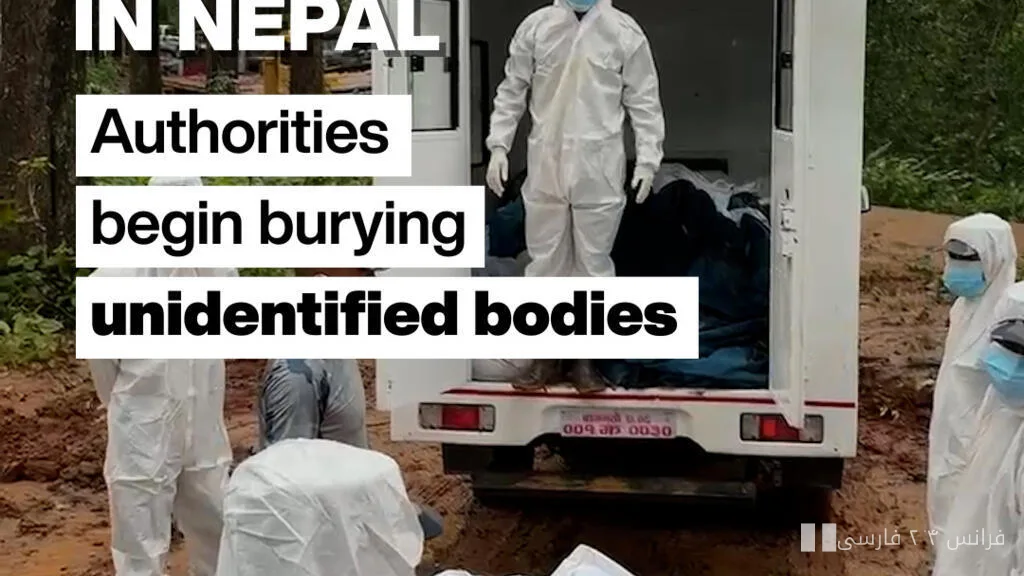
Nepal is currently in a critical situation. The devastating floods caused by heavy rainfall have claimed many lives, and the number of victims continues to rise. In the meantime, many bodies of unidentified victims remain, and for this reason, local authorities are trying to prevent health crises by burying these bodies.
A Bitter Phenomenon in the Limbo of Bodies
In a city called Bharatpur, located in southern Nepal, officials have begun to bury unidentified bodies that are rapidly decomposing. These bodies, due to their unidentified status, are under time pressure and are not officially identified. The aim of this action is to reduce health hazards caused by the unpleasant odor and the potential outbreak of infectious diseases.
As new bodies are pulled from the mud every day, officials have reluctantly decided to bury these bodies in specific locations. This situation is reminiscent of the bitterness of a disaster that has disrupted the lives of the people of Nepal and has cast a deep sorrow over the hearts of families and the community.
Challenges of Identification
Identifying bodies in such conditions is a difficult and time-consuming task. On one hand, many victims are in conditions that make identification simple impossible, and on the other hand, families are deeply worried in their search for their loved ones. This situation adds to the psychological and social burden of the crisis and makes the need for immediate and comprehensive support essential.
Ultimately, this crisis is not only a health challenge but also a test of social and human solidarity in the face of natural disasters. Nepal must learn from this experience and seek solutions to improve relief systems and prevent such disasters from occurring.