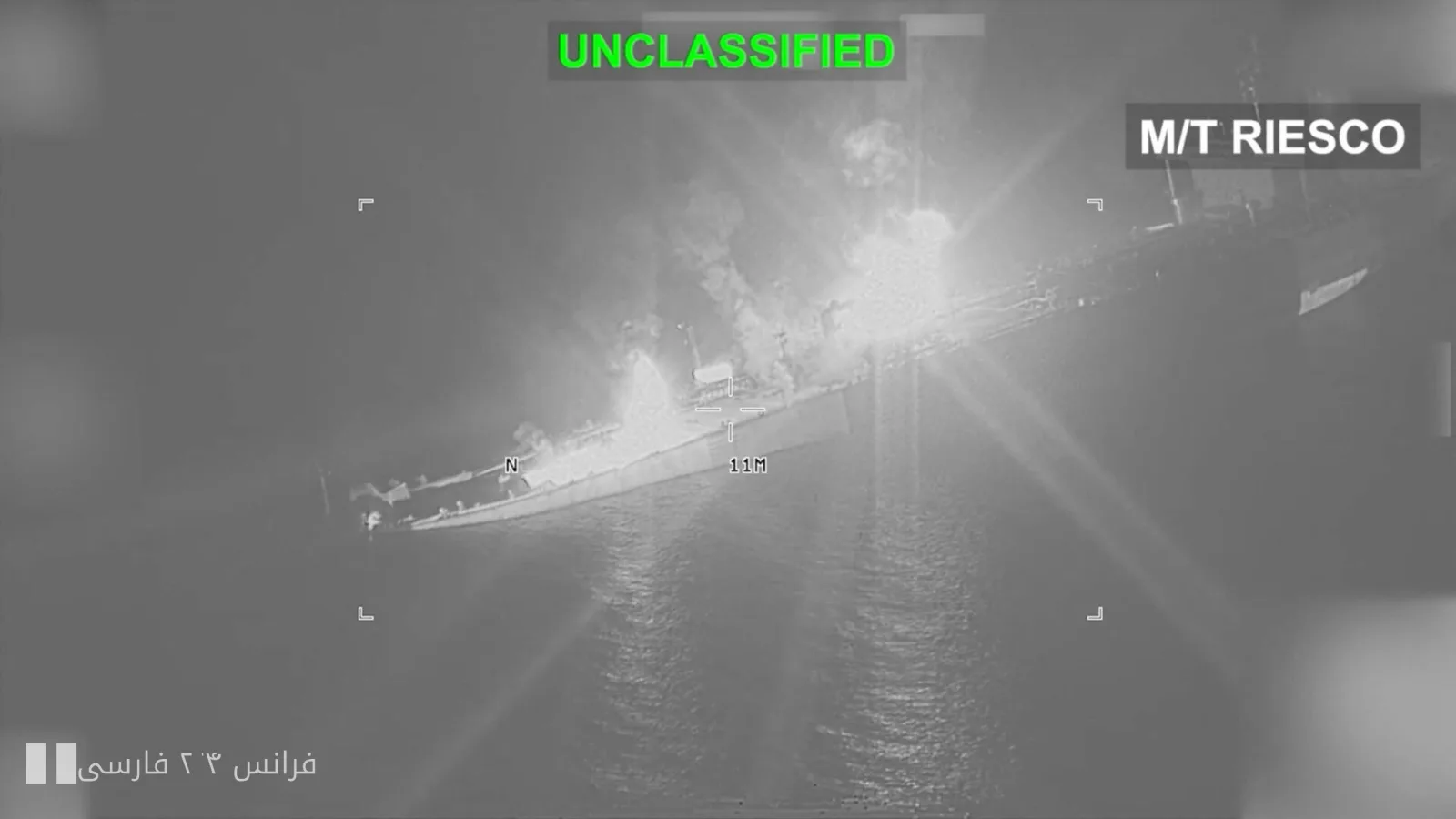
On a tense day on October 17, Iran and the United States launched unprecedented attacks on each other in the maritime domain, which could be seen as a turning point in the tensions between the two countries. These attacks have directly impacted global energy security and heightened concerns about energy supply in global markets.
Details of the Attacks
Iran has announced that it targeted 10 oil tankers near the Strait of Hormuz, while US forces have sunk five Iranian oil tankers. This exchange of fire in the Sea of Oman and the Strait of Hormuz, which is considered one of the most important oil transport routes in the world, has significantly affected oil prices, causing them to rise above $100 per barrel.
Given these developments, economic and political analysts are deeply concerned about the future of the oil market and its potential impacts on the global economy. Oil prices have reached their highest levels in recent years following these crises, indicating the serious consequences of these conflicts on global energy supply.
Economic and Political Consequences
Analysts believe that these attacks could lead to increased tensions between Iran and the US, consequently affecting financial and energy markets. These conflicts, especially as the world continues to emerge from the economic crises caused by the COVID-19 pandemic, could exacerbate the formation of a serious energy crisis.
Many oil-dependent countries, particularly in Europe and Asia, are concerned that rising oil prices could lead to reduced economic growth and increased inflation. Additionally, this event could influence the political decisions of various countries regarding Iran and the US.
Meanwhile, some analysts believe that these tensions may create opportunities for rival countries looking to exploit market instability on a global scale. For instance, other oil-rich countries may seek to gain a larger share of the global market and manage their resources in a way that allows them to benefit from this crisis.
Ultimately, the future of these tensions remains uncertain, and it remains to be seen whether diplomacy can help reduce these conflicts or if we will witness further escalation of tensions.