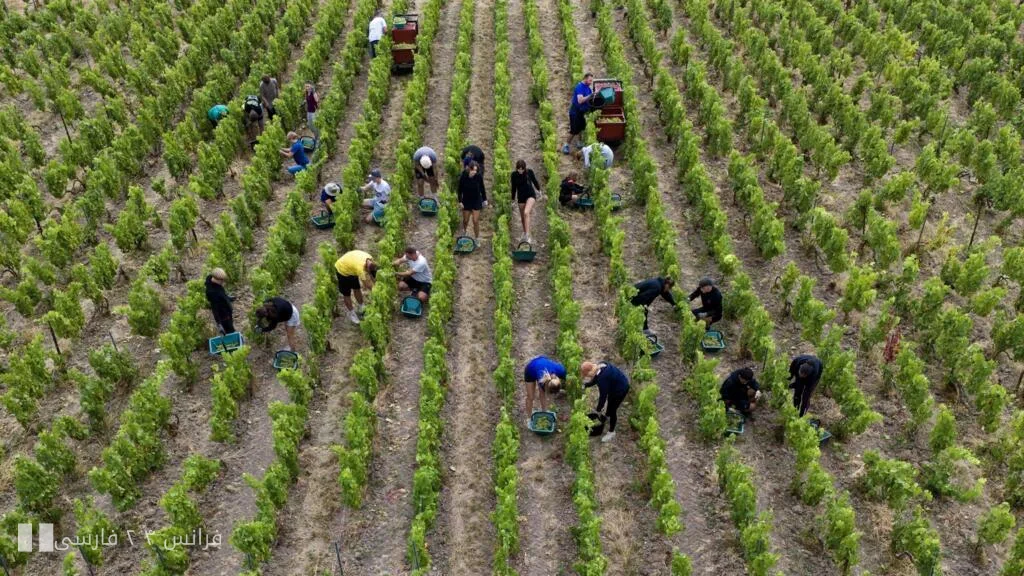
This summer in France has broken temperature records, profoundly impacting the champagne industry. Champagne producers are facing unusually high sugar levels in grapes due to the extreme heat. As a result, officials in the region have decided to allow the alcohol level of this drink to rise to ۱۵ percent for the first time, while the usual limit is ۱۳ percent.
Challenges and Opportunities
This change in alcohol level is seen not only as a response to weather conditions but also as an opportunity for producers. While this change may be concerning for some producers, it seems that this decision could enhance the appeal of champagne in global markets. Especially as consumers seek new and different flavors, this change could help diversify products in this industry.
Moreover, this issue highlights the larger challenges that the agricultural industry faces against climate change. Given the forecasts about climate changes, this may not be the only time champagne producers encounter such conditions. In fact, this situation serves as a wake-up call for farmers and other producers, indicating the need for more serious measures against climate change.
The Future of Champagne in a New World
While these changes seem somewhat inevitable, champagne producers must seek ways to adapt to these new conditions. Could this high-alcohol wine become a global trend? Or will consumers remain loyal to traditional and classic flavors? Time will tell whether the unprecedented heat of summer in France can lead to a transformation in the champagne industry or not.