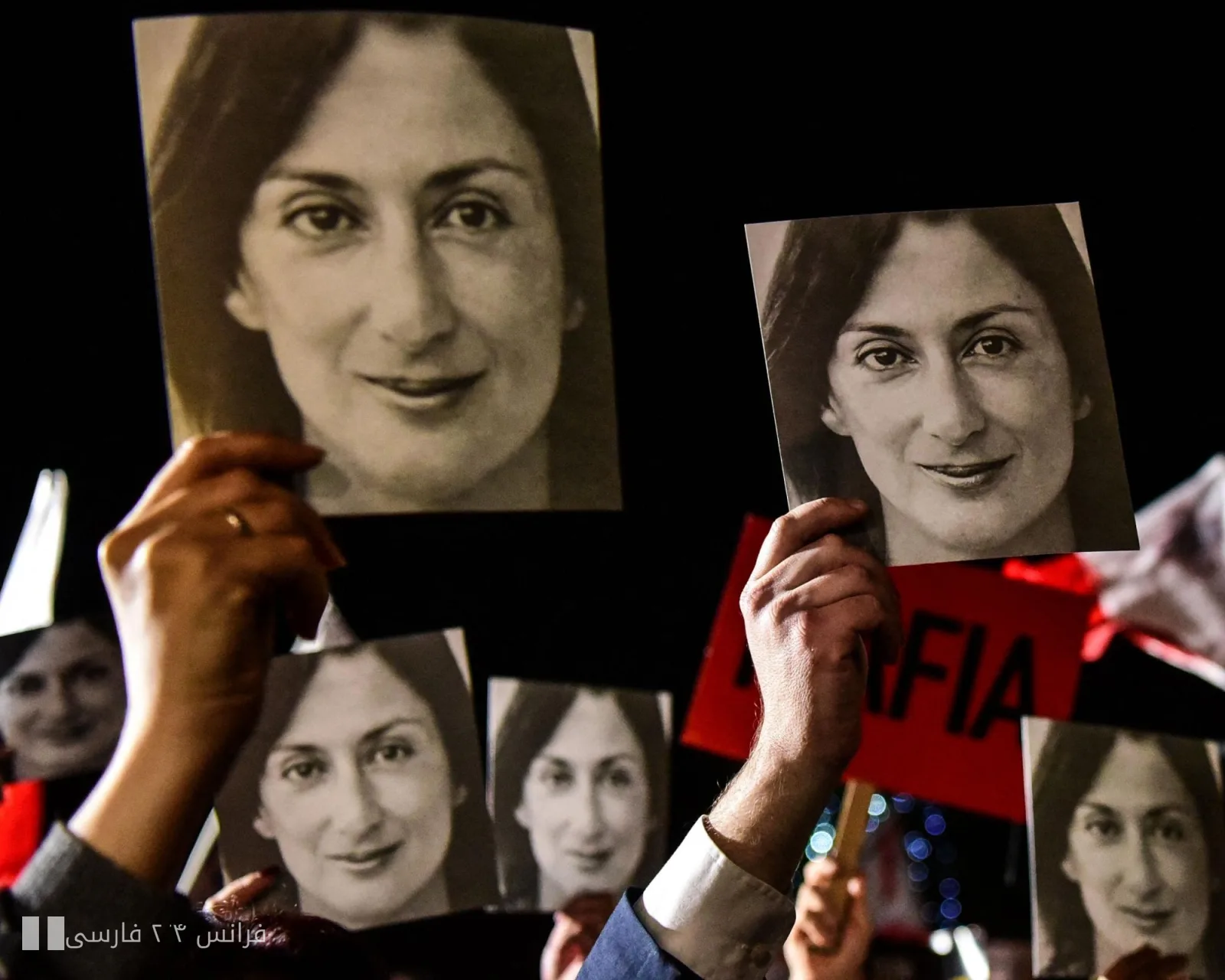
It has been nine years since the brutal murder of Daphne Caruana Galizia, a prominent investigative journalist in Malta. This brave woman, known for her investigations and exposure of widespread corruption in her country, was brutally targeted with a bomb in her car. Although the direct perpetrators of this crime have been convicted, no one has yet been punished for ordering her murder.
Disputes in Court and Ongoing Injustices
Last week, a jury in Malta acquitted Jürgen Fenech, one of the most influential businessmen in the country, of charges of complicity in this murder. This ruling not only serves as another alarm for the journalism community and human rights activists in Malta, but also demonstrates to the world that corruption and injustice are deeply rooted in this country.
Daphne Caruana Galizia was not only a journalist but a symbol of resistance against corruption and abuse of power. She courageously exposed the truths and was the voice of those silenced by the ruling powers. However, as the years go by, her voice remains stifled, and no effective action has been taken for fundamental reforms in Malta's judicial system.
The Need for Transformation in Judicial Structures
As the European Union and international bodies continue to examine the human rights situation in Malta, the need for serious reforms in the country's judicial system appears essential. Can Europe fulfill its duty to support freedom of expression and human rights? Has the time not come to put an end to this culture of impunity?
Answers to these questions could determine the fate of media and democracy in Malta. In a world where truth comes at the cost of journalists' lives, standing against corruption and injustice is more important than ever.