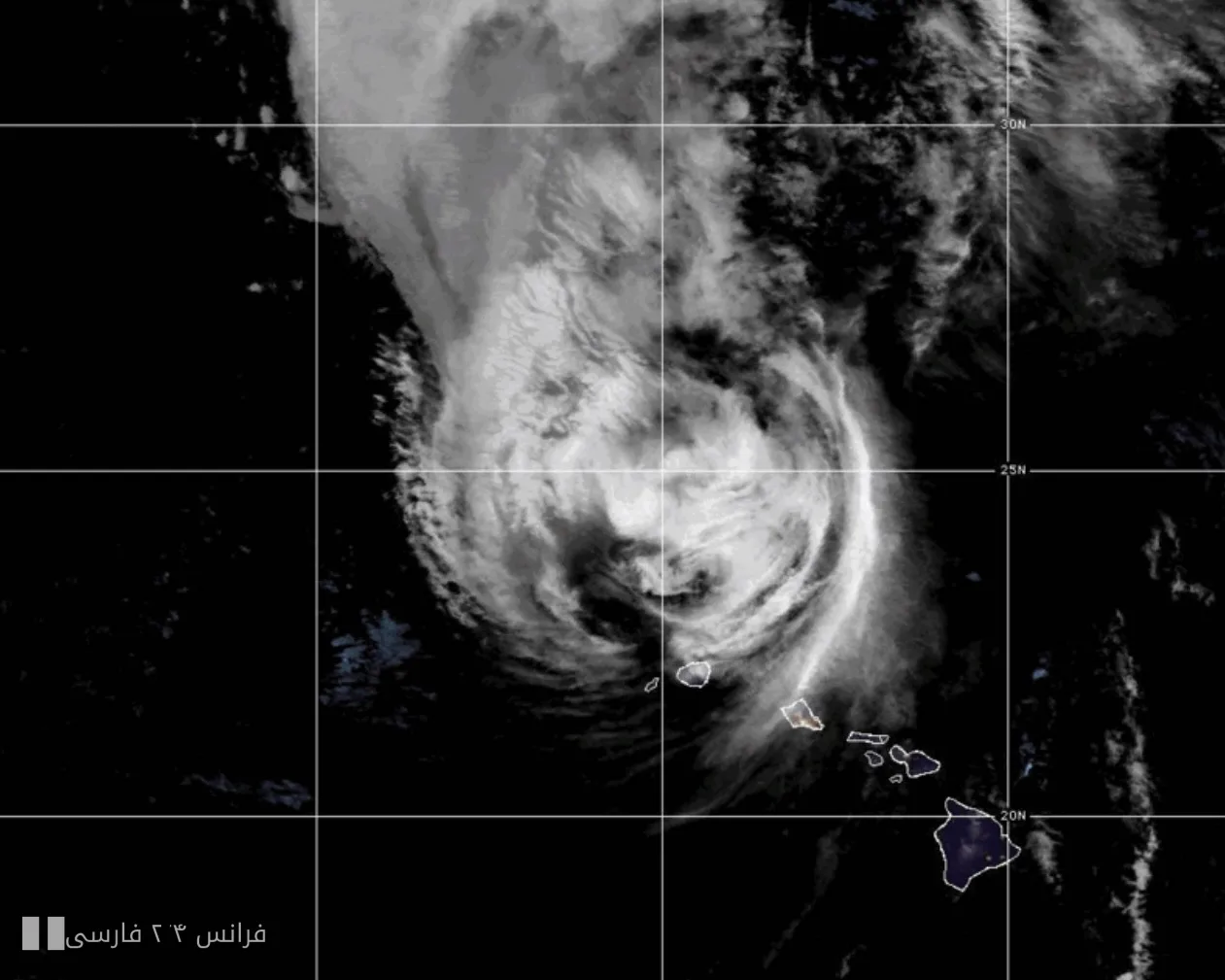
In recent years, Hawaii has been known as a calm and remote island, away from devastating storms. However, this summer, the island suffered serious damage due to severe storms, such as storms Loloa and Lala. Storm Loloa, in particular, left significant damage on the island of Kauai; trees and power lines fell, roads were destroyed, and boats sank in the sea.
Are These Storms a Sign of Climate Change?
While many residents of Hawaii are assessing the damage caused by these storms, serious questions have arisen about the increasing risks posed by climate change and rising sea surface temperatures in the region. Studies show that high ocean temperatures can lead to increased storm intensity and put Hawaii at greater risk.
These storms are just a reminder of the fact that even remote islands cannot escape the impacts of climate change. Given the rising trend of ocean temperatures and increasing sea levels, residents of Hawaii must prepare themselves for more storms.
Despite this reality, there is hope for recovery and improvement in Hawaii. The residents of these islands can overcome challenges through solidarity and joint efforts and prepare for a more resilient future. But this time, will local decision-makers consider fundamental solutions instead of ignoring this threat?