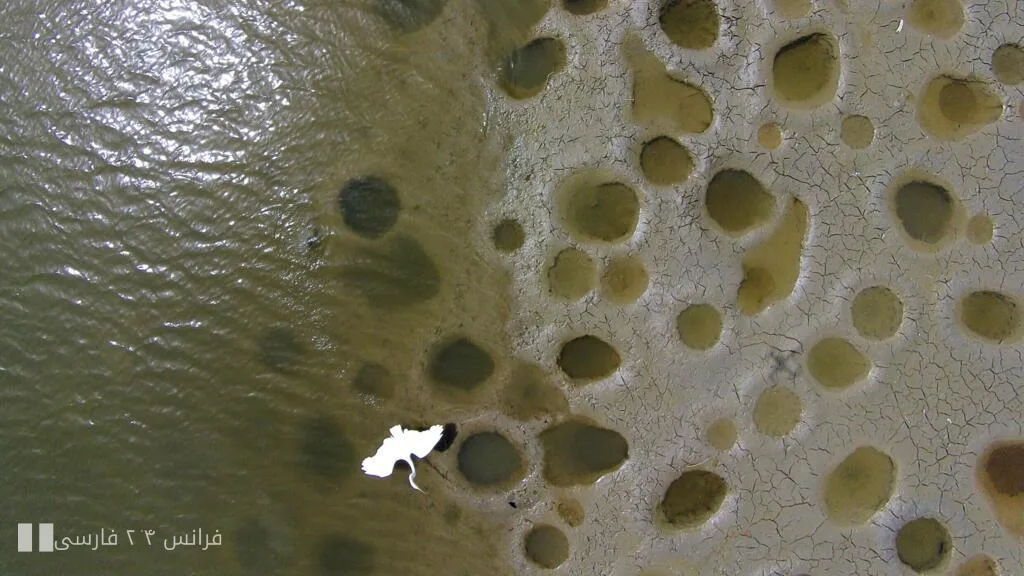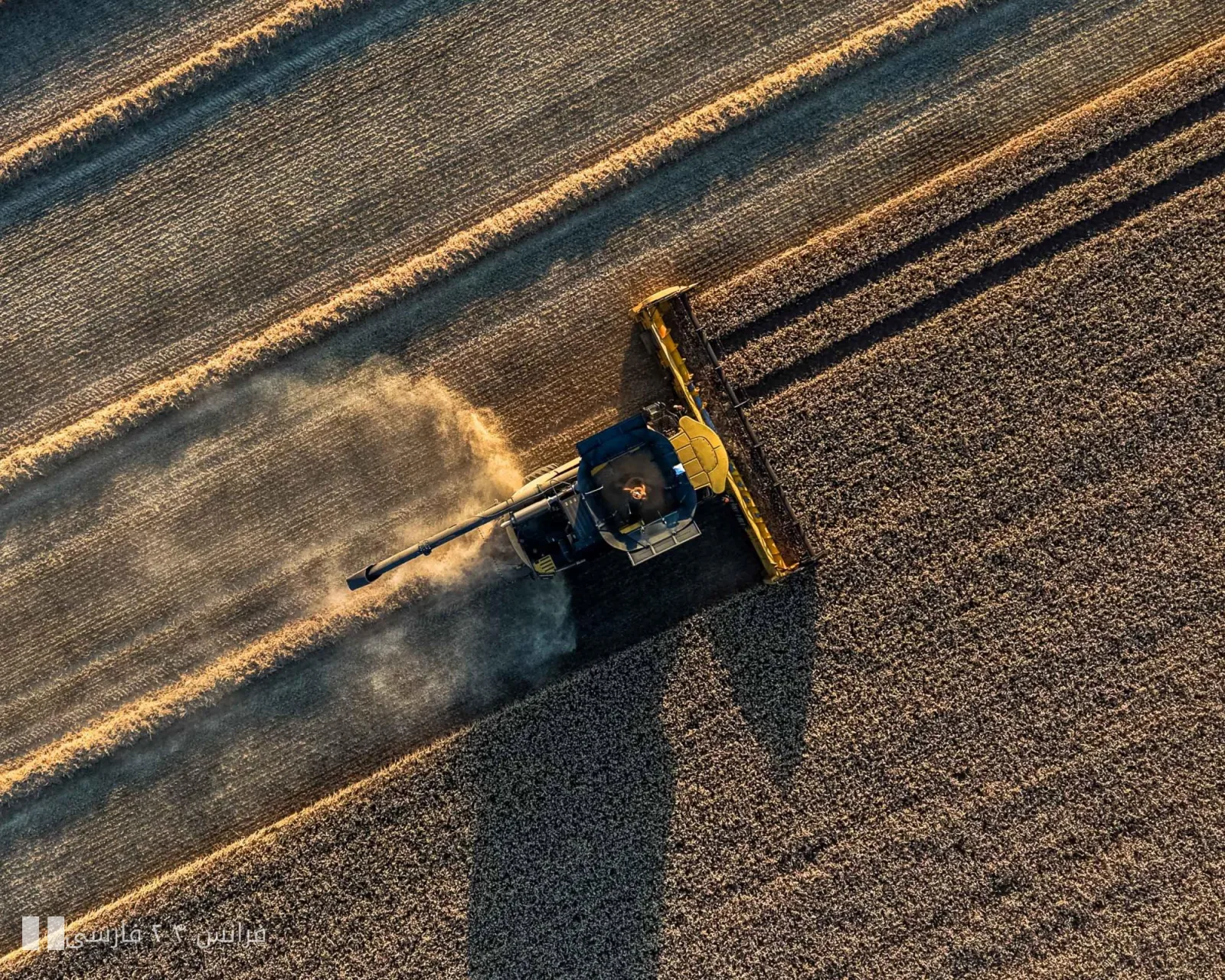
In recent years, England's soils have been severely lacking moisture. This situation has become such that the lands are extremely thirsty and need rainfall to reach their capacity. The current state of the soils in England and Wales indicates that the moisture level has decreased to a point where precision in calculating Soil Moisture Deficit (SMD) seems essential.
Why is SMD Important?
Soil Moisture Deficit is a measure that shows how thirsty the soil is and how many millimeters of rainfall are needed to reach saturation. In southern England, this index typically approaches zero in winter, while in summer it can rise to around 100 millimeters or more. In dry years, this amount can even increase to 150 millimeters.
When the land is fully saturated, it is referred to as “field capacity.” However, in conditions where the soil is extremely dry and no water is available for plants, this state is called “permanent wilting point” or PWP. This condition is not only harmful to agriculture but can also negatively impact the ecosystem as a whole.
The Future of England's Soils
As climate change and rising temperatures significantly affect rainfall and soil moisture, this situation is expected to worsen in the coming years. Farmers and environmental specialists are warning the government and the public that immediate actions must be taken to address this crisis. Otherwise, England may face a serious crisis regarding food supply and environmental preservation.
Isn't it time to heed these warnings and find solutions to restore soil moisture? The future of agriculture and the environment in England depends on this issue.