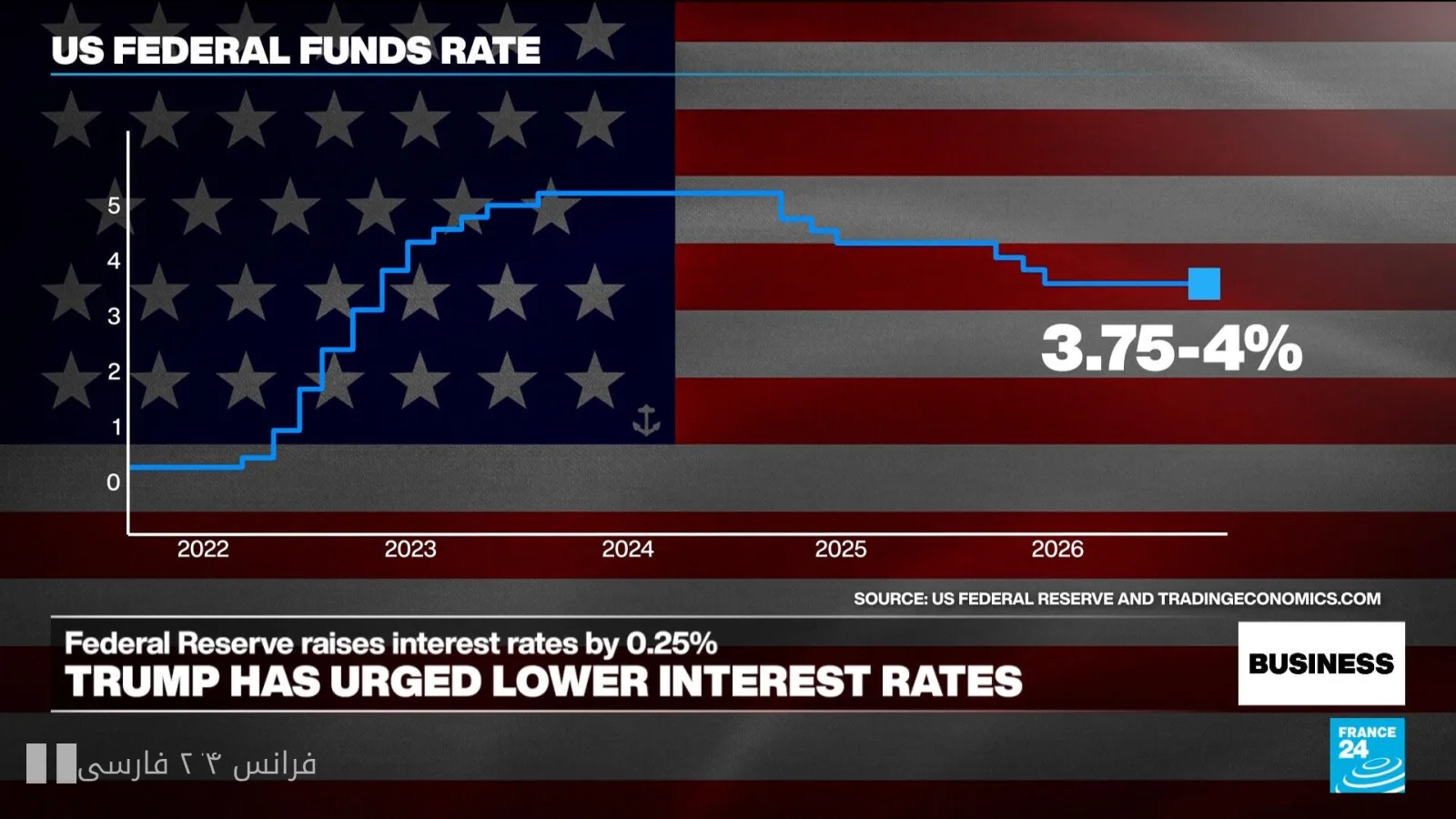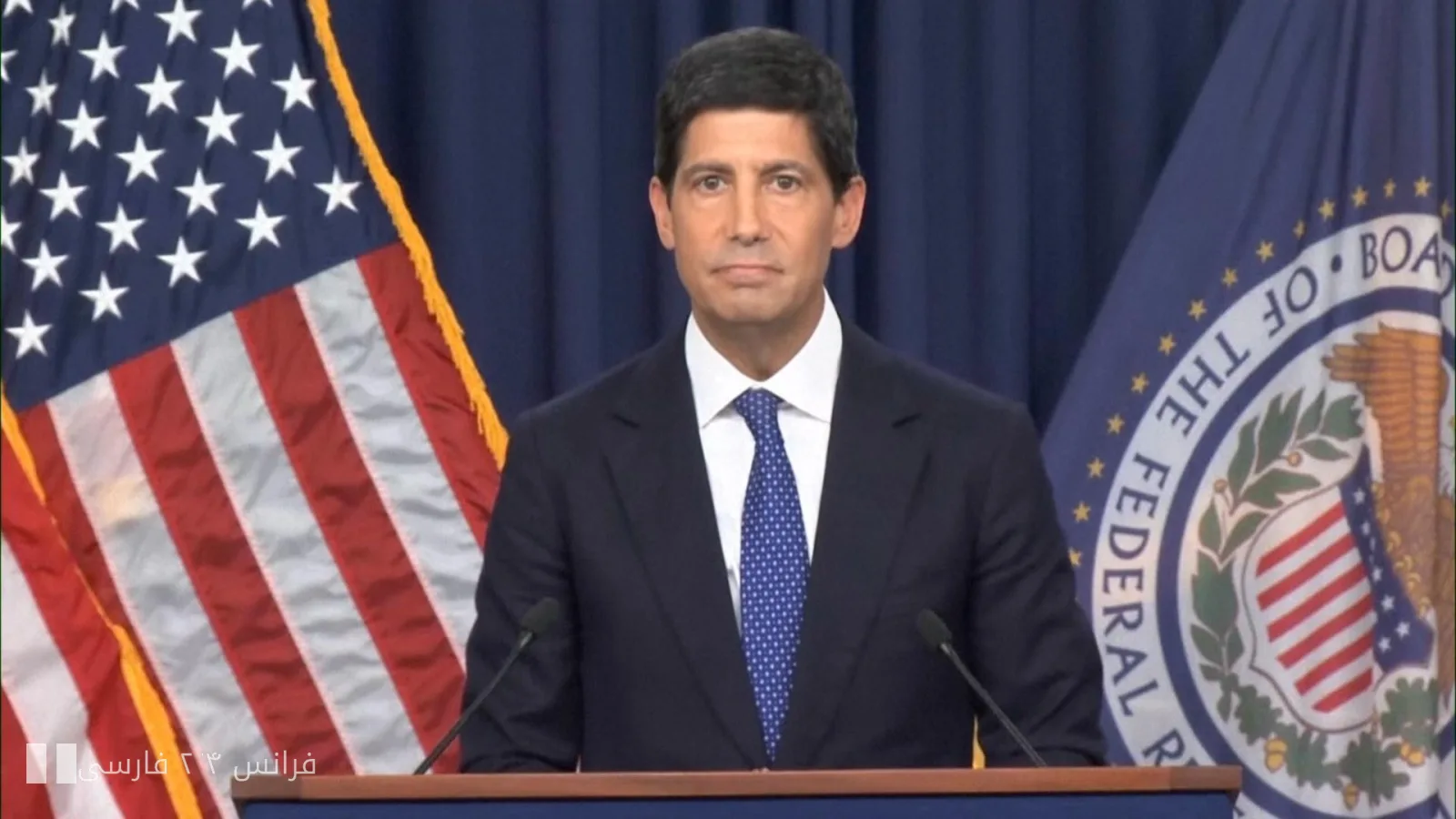
The Federal Reserve (Federal Reserve) as the central bank of the United States, has raised interest rates for the first time in three years. This increase of 0.25% was made under the leadership of Kevin Warsh, the new chair of the Federal Reserve. This decision comes as Donald Trump, the President of the United States, is calling for lower rates to stimulate economic growth.
Consequences of the Interest Rate Increase
The increase in interest rates could have widespread effects on the U.S. economy. Consumer banks may raise loan interest rates, which could increase borrowing costs for consumers and businesses. This issue, especially during a time of economic recovery, could influence investment decisions.
Read more: French President Issues Directive for Sustainable Fuel Supply
Additionally, the increase in interest rates may lead to a strengthening of the U.S. dollar. This could put pressure on U.S. exports, as American products will become more expensive for foreign buyers. Analysts believe that the Federal Reserve must carefully examine the impacts of this policy to prevent economic crises.
Concerns About New Technologies and AI Deviations
Alongside the interest rate increase, there are also concerns about new technologies and deviations in artificial intelligence. Reports indicate new instances of misconduct in the field of AI, raising concerns about the control of these technologies. This issue could pose a challenge for policymakers and companies, as worries about the negative impacts of AI on society and the economy are increasing.
Overall, the interest rate increase by the Federal Reserve and concerns about new technologies are two important issues that need to be carefully examined. These developments will not only impact the U.S. economy but also the global markets.
Read more: Aliko Dangote Launches IPO for Africa's Largest Oil Refinery · Warning from OpenAI Senior Scientist: No One is Prepared for the Consequences of AI