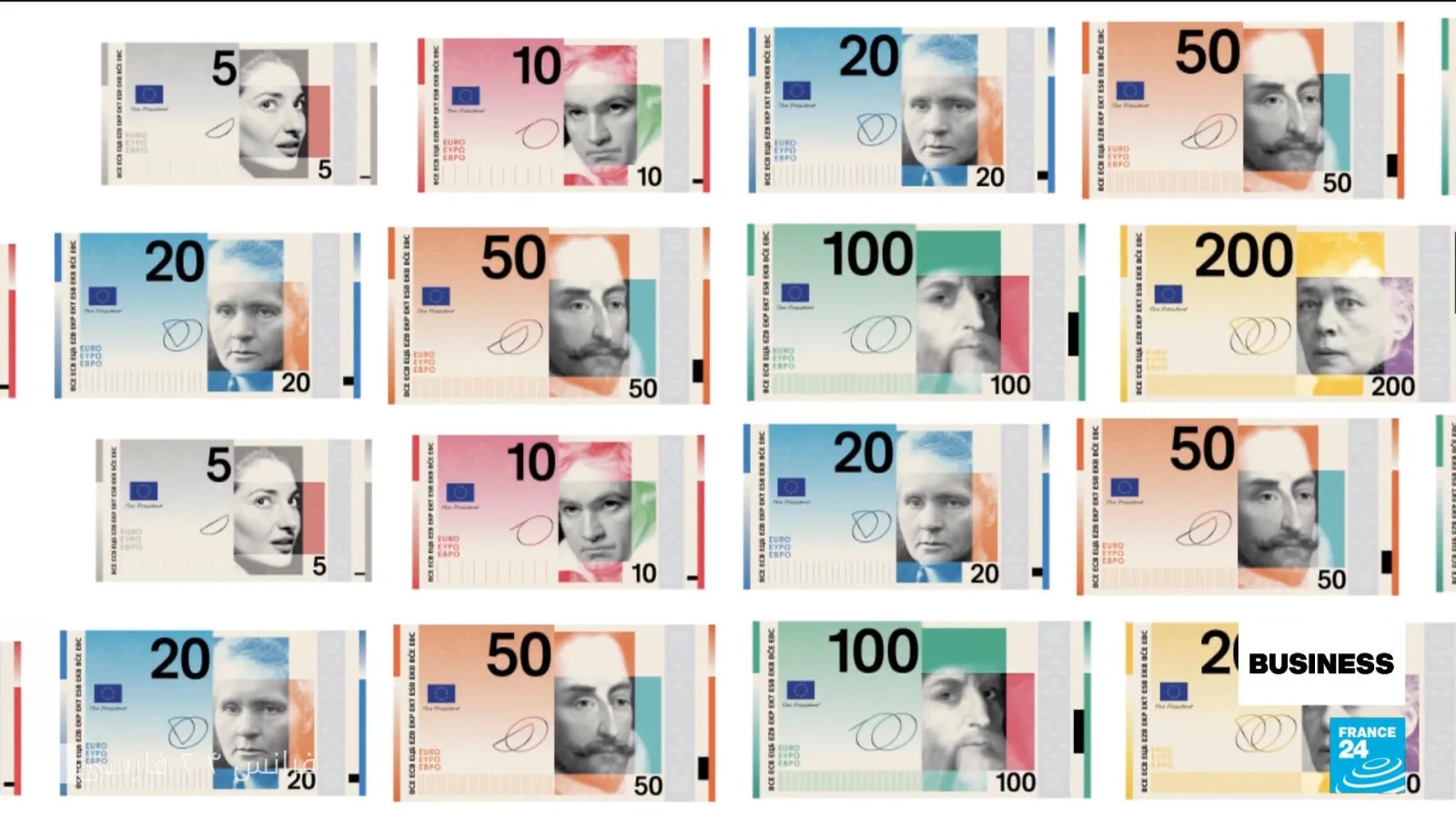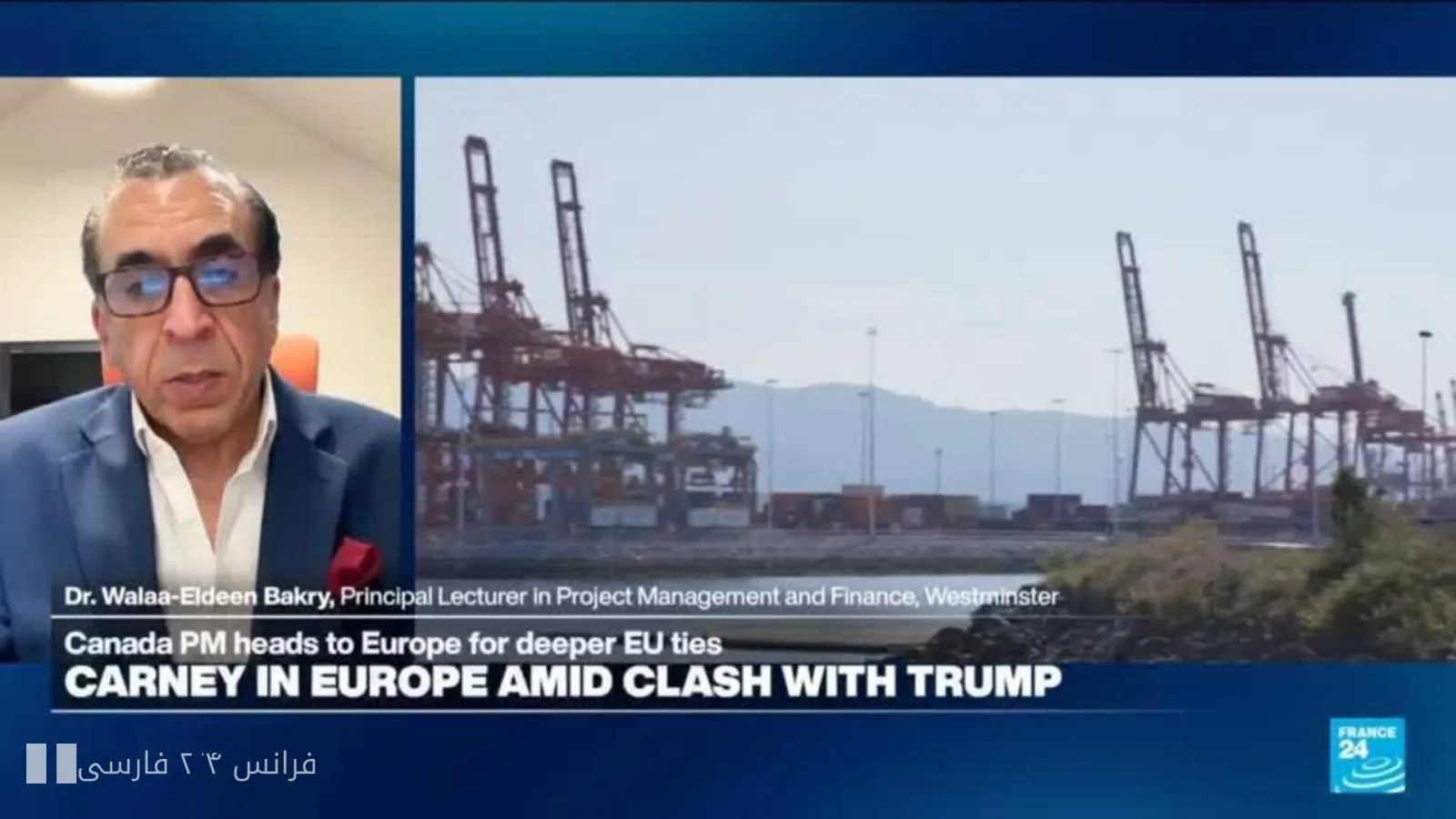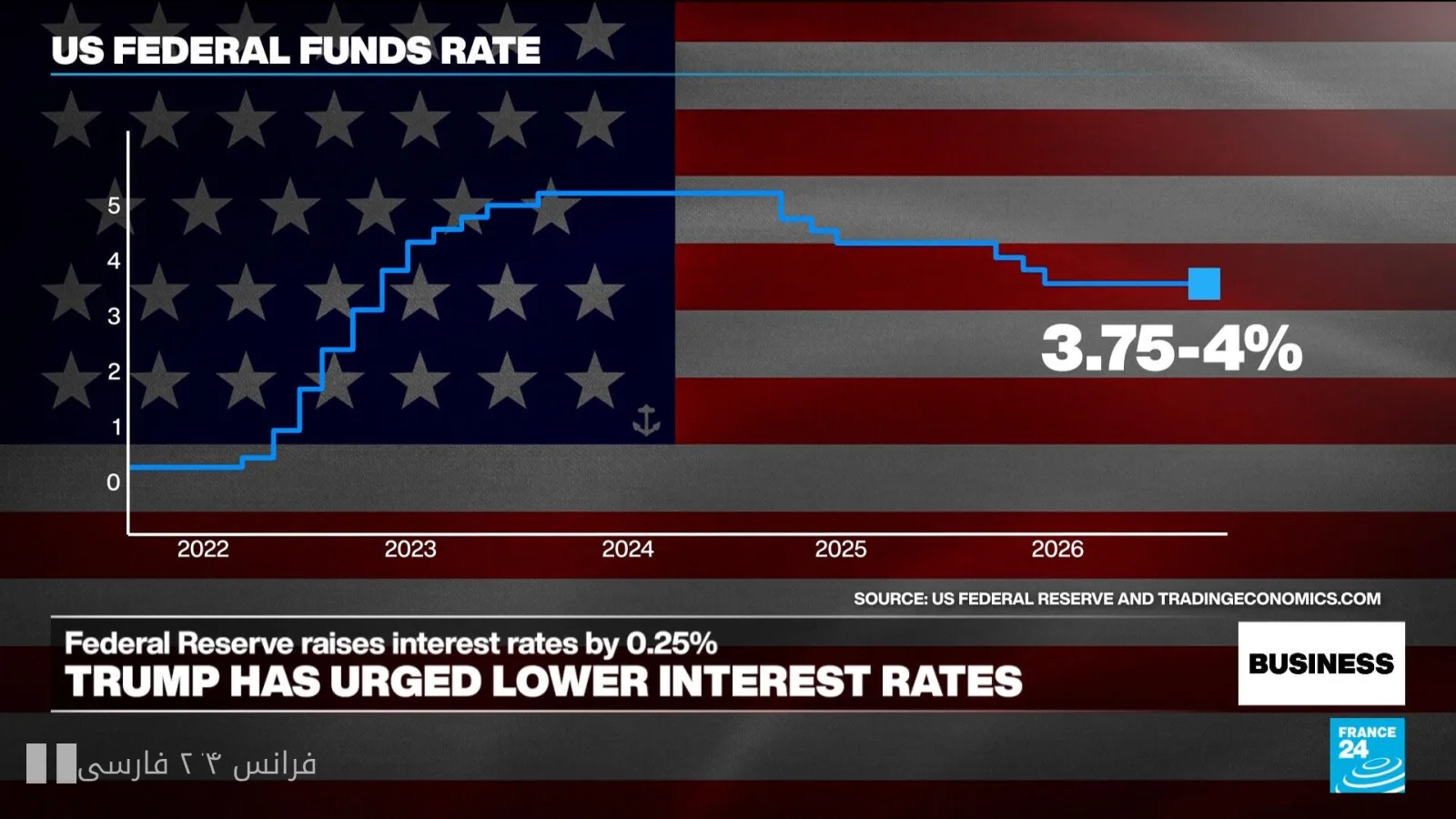
The U.S. Federal Reserve (Federal Reserve) raised its key interest rate by 25 basis points yesterday, bringing it to 2.25 to 2.50 percent. This action, which occurs for the first time in three years, aims to reduce the high inflation rate that has currently reached its highest level in four decades. The decision may lead to a confrontation between President Donald Trump and Kevin Warsh, the Federal Reserve Chair, who has repeatedly called for lower interest rates.
Consequences of the Interest Rate Increase
Typically, an increase in interest rates means reduced access to credit for consumers and businesses, which can lead to decreased consumer spending and, consequently, reduced demand in the economy. Analysts believe that this policy may slow economic growth and potentially lead to economic crises. Meanwhile, the Federal Reserve has emphasized that this decision is necessary to combat rising inflation and maintain economic stability.
Read more: The United States Hosts G20 Energy Talks in Texas
Reactions to the Federal Reserve's Decision
The Trump administration has reacted strongly to this interest rate increase, with the President calling for lower interest rates in his tweets. He sees this action as a major obstacle to economic growth and job creation in the country. In contrast, Kevin Warsh and other members of the Federal Reserve's policy committee have emphasized that this interest rate increase is intended to prevent further inflation and maintain citizens' purchasing power.
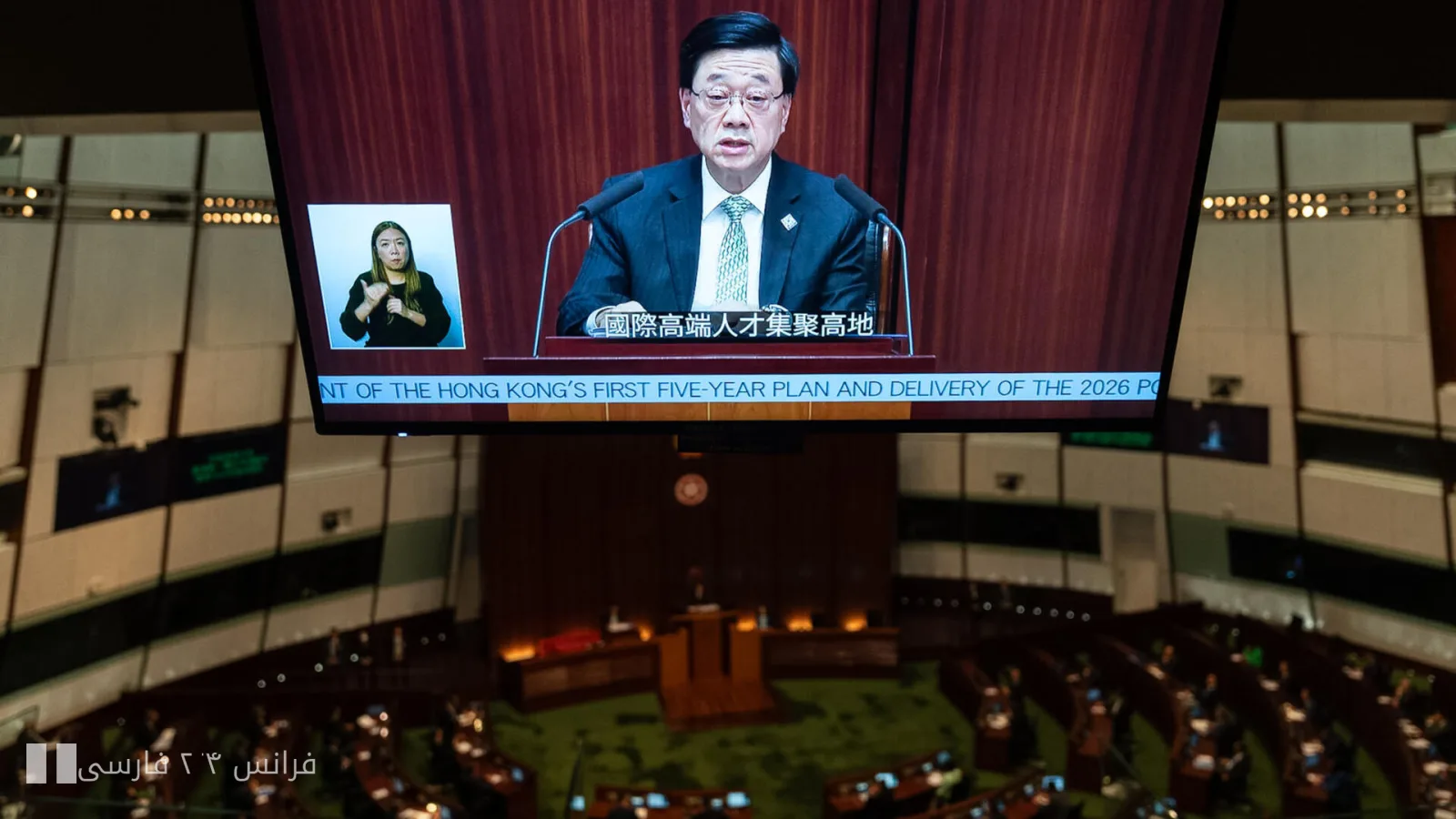
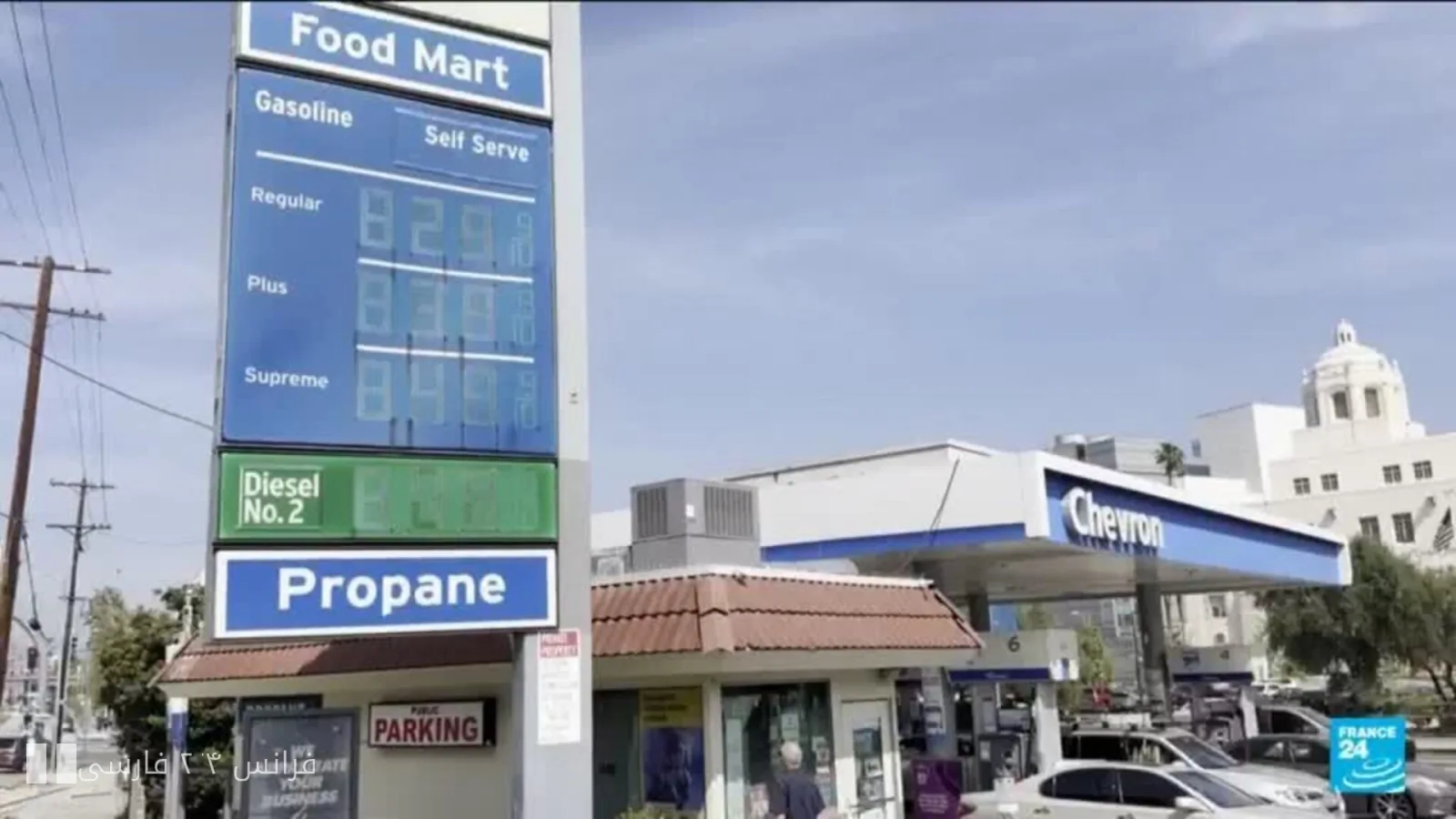
Alongside this issue, other economic news is also unfolding. France has recently announced its plans to increase fuel subsidies, while protests from farmers and fishermen in the country have intensified. Additionally, Hong Kong is seeking to align with Beijing's economic views and is striving to develop its economy in accordance with China's strategies.
Read more: Iran and the Houthis: A Serious Threat to Global Shipping Routes · Iran Continues to Produce Ballistic Missiles; Trump's Lies Are Declining